Colombia, the land of emerald mountains and vibrant culture, is synonymous with one thing: coffee. But beyond the beans lies a rich tapestry of tradition, ritual, and unparalleled flavor.
I remember my first cup in a small, family-run *finca* nestled high in the Andes – the aroma alone was intoxicating! The dedication and passion of the *cafeteros* are truly inspiring.
With the rise of specialty coffee and sustainable farming practices, Colombian coffee is experiencing a renaissance, captivating palates worldwide. It’s not just a beverage; it’s a sensory journey, a story in every sip.
Let’s dive deeper into the heart of Colombian coffee culture in the article below.
Discovering the Nuances of Colombian Coffee Beans
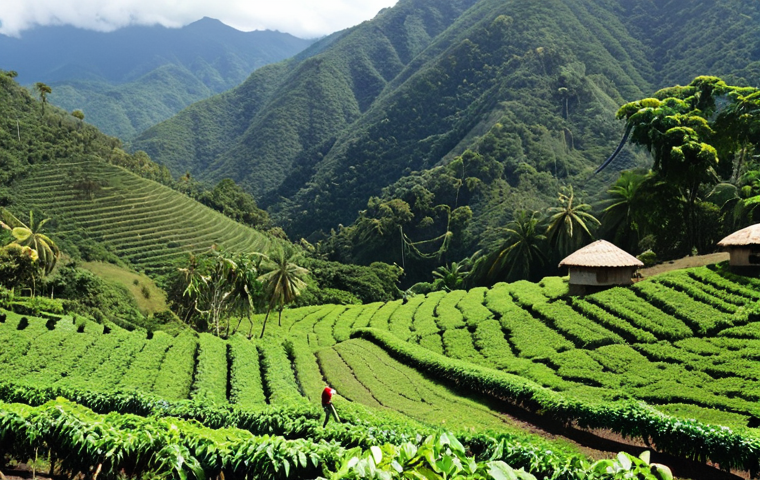
Colombian coffee isn’t just coffee; it’s an experience rooted in the specific bean varietals cultivated across the country’s diverse microclimates. From the robust Arabica beans grown at high altitudes to the unique flavor profiles imparted by the soil, each bean tells a story.
When I explored the coffee region, I noticed that many farmers take immense pride in the meticulous selection of beans, ensuring only the ripest and most perfect ones make it to the drying beds.
This dedication truly shines through in the final cup, offering a complexity that sets Colombian coffee apart. The varietals, such as Typica, Bourbon, and Castillo, each bring their own signature to the table, creating a vibrant tapestry of flavors that can range from bright citrus notes to deep, chocolatey undertones.
The Castillo varietal, known for its resistance to coffee rust, is widely planted but often debated among purists for its potential impact on flavor complexity.
Yet, even within this varietal, regional variations can lead to surprisingly delightful and nuanced profiles. In my own experience, a Castillo from Nariño, with its volcanic soil, presented a brighter acidity than one from Antioquia.
This highlights the intricate interplay between bean type and environmental factors in defining the ultimate taste of Colombian coffee.
1. Arabica’s Reign in Colombia
Arabica beans dominate the Colombian coffee landscape, prized for their delicate flavors and aromatic complexity. During my visits to local farms, I learned that the higher altitudes, combined with consistent rainfall and rich volcanic soil, create ideal conditions for cultivating these exceptional beans.
Farmers painstakingly handpick the cherries, ensuring that only the ripest ones are selected, a practice that significantly contributes to the quality of the final product.
I recall one farmer explaining that even the time of day they harvest can influence the taste profile, with morning picks often yielding a brighter, more acidic cup.
2. The Impact of Terroir on Flavor Profiles
The “terroir” – the unique combination of soil, climate, and altitude – plays a pivotal role in shaping the flavor of Colombian coffee. Each region boasts distinct characteristics that impart unique qualities to the beans grown there.
For instance, coffee from the Sierra Nevada de Santa Marta is known for its nutty sweetness, while coffee from Huila often exhibits bright citrus notes.
I was fascinated to discover that even slight variations in altitude or sun exposure within the same region can lead to noticeable differences in taste.
This highlights the importance of understanding and appreciating the subtle nuances that contribute to the diversity of Colombian coffee.
The Art of Preparation: From Farm to Cup
Colombian coffee culture isn’t just about growing and harvesting; it’s about the art of preparation, a process carefully honed over generations. The traditional methods, such as hand-sorting and sun-drying, reflect a deep respect for the beans and a commitment to quality.
When I witnessed the meticulous sorting process at a small family farm, I was struck by the dedication and attention to detail. Imperfect beans are carefully removed, ensuring that only the finest ones are processed.
I’ve also learned that the specific roasting profile can significantly impact the final flavor, with lighter roasts highlighting the inherent acidity and brightness of the beans, while darker roasts bring out richer, more chocolatey notes.
Many roasters are now experimenting with innovative techniques to unlock even more complex and nuanced flavors. In many communities, enjoying coffee is a communal experience, often shared with family and friends.
1. Traditional Brewing Methods vs. Modern Techniques
While modern brewing methods offer convenience and precision, traditional Colombian brewing techniques retain a special charm and authenticity. The *tinto*, a simple, black coffee brewed using a *tiple* or traditional cloth filter, remains a staple in many households.
I fondly remember being offered a *tinto* by an elderly woman in a small village, a gesture of warmth and hospitality that transcended language barriers.
However, the rise of specialty coffee has also led to increased experimentation with methods like pour-over, French press, and Aeropress, each offering a unique way to extract the flavors from the beans.
2. The Significance of “Tinto” in Daily Life
The *tinto* isn’t just a beverage; it’s a cultural symbol, deeply ingrained in the daily lives of Colombians. It’s the morning ritual, the afternoon pick-me-up, and the social lubricant that brings people together.
I noticed that *tinto* is often shared during meetings, conversations, and celebrations, fostering a sense of community and connection. Unlike the elaborate coffee preparations found in some Western cultures, the *tinto* is simple, unpretentious, and readily available, reflecting the egalitarian nature of Colombian society.
It’s a reminder that even the simplest things can hold profound cultural significance.
Sustainable Farming Practices: A Commitment to the Future
Sustainability is increasingly at the forefront of Colombian coffee production, with many farmers adopting eco-friendly practices that protect the environment and support local communities.
Shade-grown coffee, organic farming, and water conservation are just a few examples of the initiatives being implemented. When I visited a coffee cooperative committed to sustainable practices, I learned about their efforts to reduce water consumption during processing, minimize the use of chemical fertilizers, and promote biodiversity by planting native trees around the coffee farms.
These practices not only benefit the environment but also enhance the quality of the coffee, as healthier ecosystems tend to produce more flavorful and resilient beans.
Some farms are also experimenting with innovative techniques like composting coffee pulp and using solar energy to power their operations.
1. Shade-Grown Coffee and Biodiversity
Shade-grown coffee, cultivated under a canopy of trees, offers numerous environmental benefits. The trees provide habitat for birds, insects, and other wildlife, promoting biodiversity and creating a more resilient ecosystem.
They also help to regulate soil temperature, prevent erosion, and sequester carbon dioxide. I was amazed to see the abundance of birdlife in the shade-grown coffee farms I visited, a testament to the positive impact of this practice.
2. Fair Trade and Community Empowerment
Fair trade certifications ensure that coffee farmers receive a fair price for their beans, empowering them to invest in their farms, families, and communities.
Fair trade cooperatives often provide access to credit, technical assistance, and training programs that help farmers improve their yields and quality.
I witnessed firsthand the positive impact of fair trade on the lives of coffee farmers in a remote region, where access to education, healthcare, and infrastructure had been significantly improved.
It’s a reminder that our coffee choices can have a tangible impact on the lives of the people who grow our beans.
The Rise of Specialty Coffee: A Global Phenomenon
Colombian coffee is experiencing a renaissance, driven by the growing demand for specialty coffee and the increasing appreciation for its unique qualities.
Specialty coffee roasters are sourcing beans directly from farmers, emphasizing quality, traceability, and sustainability. These direct relationships allow roasters to work closely with farmers to develop unique flavor profiles and to ensure that they are fairly compensated for their efforts.
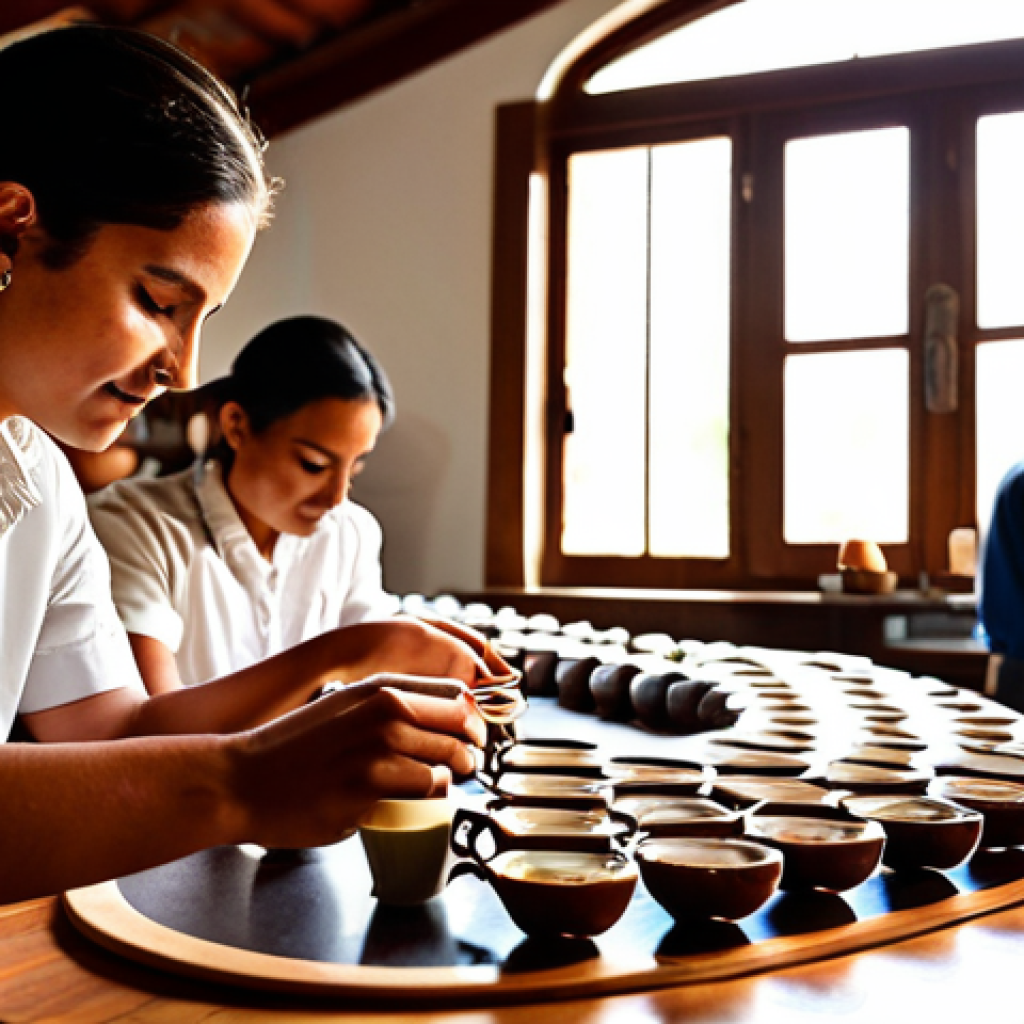
I attended a coffee cupping session where roasters meticulously evaluated different beans, seeking out those with exceptional characteristics. This dedication to quality is driving innovation and experimentation within the industry, leading to new and exciting flavor experiences for coffee lovers worldwide.
1. Direct Trade and the Importance of Traceability
Direct trade relationships, where roasters bypass traditional intermediaries and buy beans directly from farmers, are becoming increasingly common in the specialty coffee industry.
This model allows roasters to build long-term relationships with farmers, ensuring fair prices and promoting transparency throughout the supply chain.
Traceability, the ability to track the origin and history of a coffee bean, is also becoming increasingly important to consumers.
2. Coffee Cupping: Evaluating Quality and Flavor
Coffee cupping, a standardized method for evaluating the aroma, flavor, and body of coffee, is an essential tool for roasters and buyers. Cuppers use a specific protocol to assess different attributes, such as acidity, sweetness, and mouthfeel, assigning scores based on their overall impression.
I participated in a cupping session and learned how to distinguish between different flavor notes, from fruity and floral to nutty and chocolatey. It’s a fascinating process that requires a trained palate and a deep understanding of coffee.
Coffee as a Tourist Attraction: Experiencing the Coffee Region
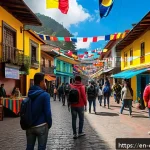
Colombia’s coffee region has become a popular tourist destination, attracting visitors from around the world who want to experience the beauty of the landscape, learn about coffee production, and immerse themselves in the local culture.
Coffee tours, farm stays, and cultural events offer a unique opportunity to connect with the people and traditions that make Colombian coffee so special.
I explored the region and was captivated by the rolling hills, colorful towns, and warm hospitality of the locals. Hiking through the coffee plantations, learning about the process of growing and harvesting beans, and enjoying a fresh cup of coffee overlooking the stunning scenery was an unforgettable experience.
1. Coffee Farm Tours and Hands-On Experiences
Coffee farm tours offer a chance to witness firsthand the process of growing, harvesting, and processing coffee beans. Many farms offer hands-on experiences, allowing visitors to participate in activities like picking cherries, sorting beans, and roasting coffee.
I helped to harvest ripe coffee cherries and learned the importance of selecting only the ripest ones to ensure the best flavor. These experiences provide a deeper appreciation for the hard work and dedication of the coffee farmers.
2. Immersing Yourself in Local Culture
The coffee region is rich in culture and tradition, offering a glimpse into the unique way of life of the coffee farmers. Visiting local markets, attending cultural festivals, and exploring the colorful towns are all great ways to immerse yourself in the local culture.
I discovered that music, dance, and storytelling are integral parts of daily life in the coffee region. Sharing meals with local families and learning about their traditions and customs helped me to connect with the people and culture on a deeper level.
Pairing Colombian Coffee: Complementary Flavors and Culinary Delights
The versatility of Colombian coffee makes it an ideal pairing for a wide range of foods, from pastries and desserts to savory dishes. The right pairing can enhance the flavors of both the coffee and the food, creating a harmonious and memorable culinary experience.
I experimented with pairing different types of Colombian coffee with various foods and discovered some delightful combinations. A bright, citrusy coffee pairs well with a light, fruity dessert, while a rich, chocolatey coffee complements a decadent chocolate cake.
Savory dishes, such as grilled meats or spicy stews, can also be enhanced by the right coffee pairing. The key is to consider the flavor profiles of both the coffee and the food and to choose combinations that complement each other.
1. Sweet Treats and Coffee Combinations
Colombian coffee pairs beautifully with a variety of sweet treats, enhancing the flavors of both. A light, floral coffee complements delicate pastries like croissants and macarons, while a rich, chocolatey coffee pairs well with denser desserts like brownies and chocolate cake.
I found that the acidity of Colombian coffee cuts through the sweetness of many desserts, creating a balanced and refreshing experience.
2. Savory Dishes and Coffee Pairings
Coffee isn’t just for breakfast and dessert; it can also be paired with savory dishes to create unique and exciting flavor combinations. A bold, earthy coffee pairs well with grilled meats, adding a smoky depth to the flavor.
A spicy coffee complements dishes like chili and curries, enhancing the heat and complexity of the flavors. Experimenting with different coffee and savory food pairings can lead to surprising and delicious discoveries.
| Coffee Region | Altitude (meters) | Flavor Profile | Notable Characteristics |
|---|---|---|---|
| Antioquia | 1,500 – 2,000 | Balanced, Nutty, Chocolatey | Well-rounded flavor, smooth body |
| Huila | 1,600 – 2,100 | Bright Acidity, Citrus, Caramel | Complex aroma, clean finish |
| Nariño | 1,800 – 2,300 | Fruity, Floral, High Acidity | Grown in volcanic soil, unique cup profile |
| Sierra Nevada de Santa Marta | 1,000 – 1,800 | Mild, Nutty, Sweet | Grown at lower altitudes, smooth and easy-drinking |
| Caldas | 1,300 – 1,800 | Balanced,Citrus,Chocolatey | Well-rounded flavor, smooth body |
Discovering the nuances of Colombian coffee has been an incredible journey, unveiling the dedication, artistry, and sustainable practices that make each cup truly special.
From the diverse bean varietals to the traditional brewing methods and the commitment to community empowerment, Colombian coffee offers a rich tapestry of flavors and experiences that captivate coffee lovers worldwide.
Exploring the coffee region allowed me to connect with the people, traditions, and landscapes that shape this exceptional coffee, fostering a deeper appreciation for its unique qualities.
In Conclusion
My exploration into the world of Colombian coffee has been nothing short of transformative. From the high-altitude farms where the beans are nurtured to the bustling cafes where it’s savored, every step of the process reveals a dedication to quality and a deep-rooted cultural significance. I hope this journey has inspired you to delve deeper into the rich tapestry of Colombian coffee, and to appreciate the unique story behind every cup.
Good to Know
1. Altitude Matters: The higher the altitude at which coffee is grown, the denser and more flavorful the bean.
2. “Tinto” is King: Don’t miss out on experiencing a traditional “tinto,” a simple yet essential part of Colombian coffee culture.
3. Sustainability is Key: Look for shade-grown and Fair Trade certified coffees to support environmentally friendly and ethical practices.
4. Cupping is Cool: If you get the chance, attend a coffee cupping session to learn how to evaluate and appreciate the nuances of different coffees.
5. Pair Like a Pro: Experiment with pairing Colombian coffee with different foods to discover complementary flavors and culinary delights.
Key Takeaways
Colombian coffee offers a diverse range of flavors, influenced by bean varietals, terroir, and preparation methods.
Traditional brewing techniques and the cultural significance of “tinto” play a vital role in the Colombian coffee experience.
Sustainable farming practices, fair trade certifications, and direct trade relationships are essential for ensuring the long-term viability and ethical sourcing of Colombian coffee.
Frequently Asked Questions (FAQ) 📖
Q: What makes Colombian coffee so special compared to other types?
A: You know, I think it’s a mix of things! First off, the altitude where they grow the beans – high up in the Andes mountains – makes a HUGE difference in the flavor.
I swear, you can practically taste the mountain air! Plus, the cafeteros are incredibly dedicated. I saw them hand-picking beans on this tiny farm, it was unbelievable.
And let’s not forget the terroir – the soil, climate, everything works together to create this unique, complex flavor. It’s not just coffee, it’s like a little piece of Colombia in your cup.
Some might call it magic, I guess.
Q: Is Colombian coffee always ethically sourced? I’m worried about supporting fair labor practices.
A: That’s a totally valid concern. Not all Colombian coffee is created equal. I’ve seen firsthand that some farms are way better than others when it comes to treating their workers right.
Look for certifications like Fair Trade or Rainforest Alliance. Personally, I prefer buying from smaller, independent roasters that are transparent about their sourcing.
I was chatting with one the other day, and he visits his farms every year, which I respect. It’s a bit more expensive, but totally worth it, in my opinion, knowing you’re helping support sustainable farming and fair wages.
It just makes the cup of coffee taste better, you know?
Q: I’m planning a trip to Colombia. Where’s the best place to experience authentic coffee culture?
A: Oh man, you HAVE to visit the Coffee Triangle! It’s a region filled with coffee fincas, charming towns, and breathtaking views. Salento is a super popular spot, and I can see why.
Hike through the Cocora Valley (giant palm trees are amazing!), then grab a cup at a local cafe. But honestly, getting off the beaten path is even better.
I stumbled upon this tiny finca near Manizales, and the owner showed me the entire process, from bean to cup. Sipping that coffee, surrounded by the lush green mountains, was an experience I’ll never forget.
Talk about authentic! Just do your research beforehand and be open to exploring. Trust me, you’ll find your perfect cup (and maybe even make some new friends!) along the way.
📚 References
Wikipedia Encyclopedia
구글 검색 결과
구글 검색 결과
구글 검색 결과
구글 검색 결과
구글 검색 결과