Travelers exploring Colombia’s vibrant cities often find themselves captivated by the rich culture and lively streets—but amidst the excitement, pickpocketing remains a real concern.
Recently, urban areas like Bogotá and Medellín have seen a rise in petty theft, making it essential to stay alert. Whether you’re wandering through crowded markets or hopping on public transport, knowing how to protect your belongings can save you from unexpected hassles.
In this post, I’ll share practical tips drawn from firsthand experiences to help you navigate safely and enjoy your trip without worry. Let’s dive into effective strategies that keep you one step ahead of pickpockets in Colombia’s bustling urban scenes.
Understanding Common Pickpocketing Tactics in Colombia
Blending into the Crowd
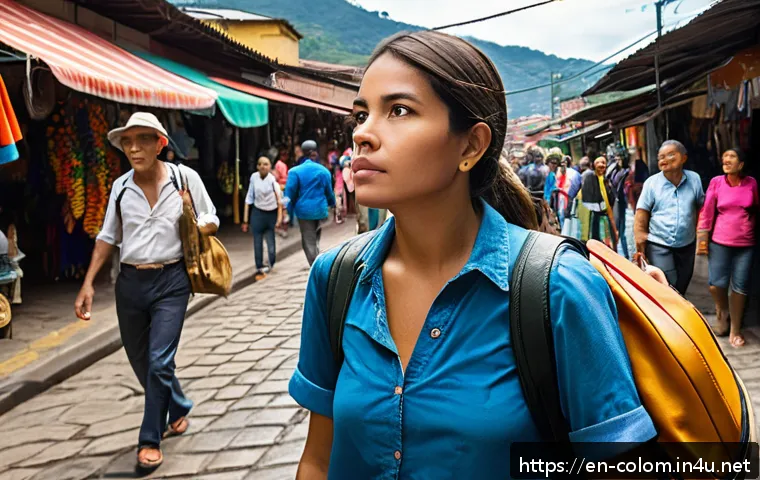
One of the most frequent tricks pickpockets use in Colombian cities like Bogotá or Medellín is to simply blend into crowded places, such as markets, festivals, or public transportation hubs.
They rely on the fact that people are often distracted by the vibrant environment and may not notice someone inching closer. What I noticed during a busy market visit was that pickpockets often work in pairs or small groups — one distracts you with a question or a commotion, while the other targets your bag or pockets.
It’s a subtle but effective approach that requires constant awareness to avoid.
The Distraction Technique
Distraction is a classic move. I once experienced a situation where a stranger suddenly bumped into me and apologized profusely. While I was focused on their apology, I felt a light tug on my backpack strap.
This is no coincidence; pickpockets create small disturbances to divert your attention. Sometimes, they might drop something in front of you or ask for directions.
Recognizing these setups can save you from losing your valuables.
High-Risk Zones to Watch Out For
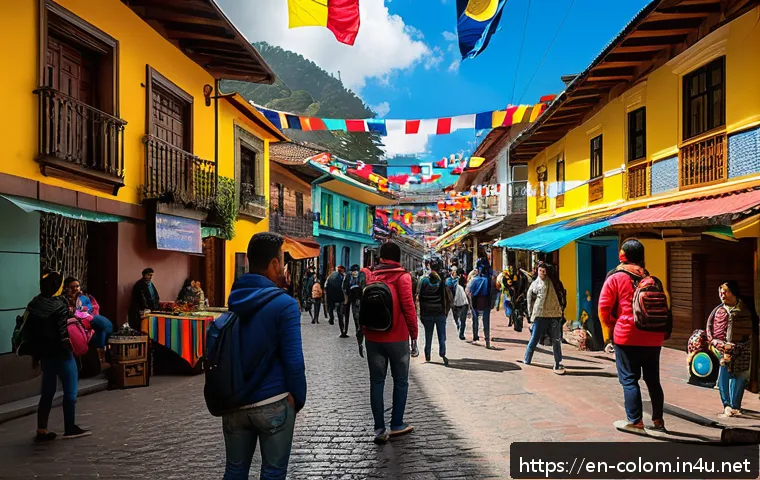
Certain areas in Colombian cities tend to attract more pickpocket activity. Tourist hotspots like Plaza Botero in Medellín or La Candelaria in Bogotá are prime examples.
During rush hours or weekends, these spots get packed, making it easier for thieves to operate unnoticed. It’s not just about the location but also the time of day—early evening and late night in some neighborhoods can be riskier.
Being mindful of when and where you go can greatly reduce your chances of becoming a target.
Smart Bag Choices and How to Wear Them
Choosing the Right Type of Bag
When I traveled around Colombia, I quickly learned that certain bags invite trouble more than others. Backpacks worn loosely on the back or open tote bags are a pickpocket’s dream.
Instead, a crossbody bag with a zipper and a thick strap makes it much harder for anyone to snatch or unzip without you noticing. Anti-theft bags with lockable zippers or slash-proof materials add an extra layer of security, especially in crowded spaces.
Positioning Your Bag for Maximum Safety
How you wear your bag matters just as much as the bag itself. Carrying it on your front or keeping it tucked under your arm is a game-changer. I found that when I kept my bag in front of me during busy commutes or crowded streets, I felt more in control and could quickly react to any suspicious movement.
Avoid swinging your bag loosely or leaving it hanging on the back of a chair in cafes or restaurants.
Securing Your Valuables Inside the Bag
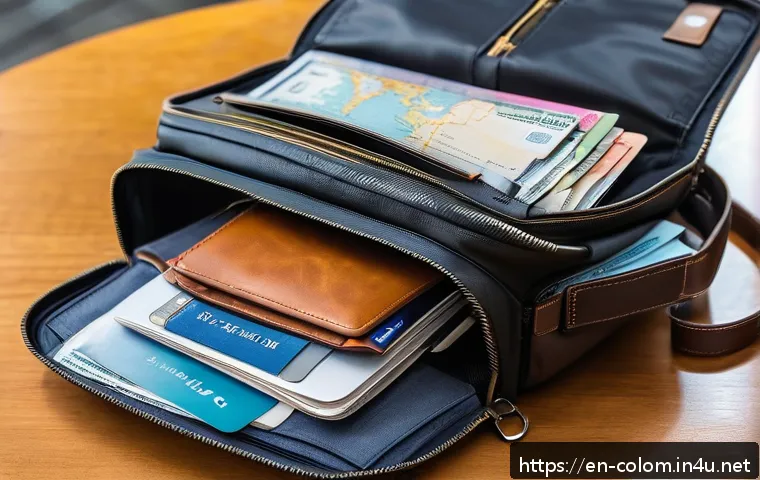
Even with a secure bag, you need to organize your items smartly. Keep your most important documents like your passport, cash, and cards in inner zipped compartments or hidden pockets.
Avoid keeping everything in one place because if one pocket is targeted, you risk losing all your essentials. Personally, I carry a slim wallet with only the necessary cash and a photocopy of my passport to minimize potential damage.
Using Technology to Stay One Step Ahead
Tracking Devices for Your Belongings
In recent years, I started using small Bluetooth trackers like Tile or AirTag inside my backpack and wallet. These devices can alert you if your belongings suddenly move away from your phone, which is incredibly reassuring when you’re in crowded areas.
They don’t prevent theft, but they do increase the chances of recovering lost or stolen items quickly.
Smartphone Safety Tips
Smartphones are prime targets for pickpockets. I always keep mine in a front pocket or inside my bag zipped tightly. Enabling features like Find My Device and setting up a strong lock screen password helps a lot.
Also, avoid using your phone openly in crowded places, as it draws attention and invites opportunistic thieves.
Cashless Payments and Digital Wallets
Another game-changer I discovered is relying more on cashless options. Many Colombian businesses accept cards or mobile payments, which means you can carry less cash and reduce the risk of losing money.
Using apps like Google Pay or Apple Pay, when available, keeps your transactions safer and more discreet in busy urban settings.
How to Act and Stay Calm if You Suspect a Theft
Recognizing Suspicious Behavior
Sometimes, you might feel a sudden discomfort or notice someone staying too close for too long. Trusting your instincts is crucial. I’ve learned to be extra alert when strangers invade my personal space without reason, especially in crowded places.
People who keep looking around nervously or avoid eye contact might be scouting for a target.
What to Do Immediately After a Theft
If you realize your wallet or phone is missing, don’t panic. Try to stay calm and retrace your steps mentally. Report the theft to local authorities as soon as possible and notify your bank or mobile provider to block cards and accounts.
In Colombia, some police stations have tourist assistance services that can help guide you through the process. From personal experience, acting quickly minimizes further complications.
Seeking Help from Locals and Authorities
Colombians are generally warm and helpful people. If you need assistance, don’t hesitate to ask shopkeepers or nearby locals. Many are willing to help or direct you to the nearest police station.
Having a copy of your passport and emergency contacts handy can speed up the process. In my case, a friendly local helped me find the police station when my backpack zipper was tampered with but nothing was stolen.
Practical Packing Tips to Minimize Risks
Minimalism is Key
Packing light and only carrying what you absolutely need reduces your vulnerability. I always recommend travelers bring just one credit card, a small amount of local currency, and essential documents.
The less clutter you have, the less attractive you are to pickpockets, and the easier it is to keep track of your belongings.
Using Money Belts and Hidden Pouches
Money belts worn under your clothes or hidden pouches inside your pants or shirts are excellent for storing cash and passports securely. While they might feel a bit old-fashioned, they remain one of the safest ways to protect your valuables.
I personally use a slim money belt during city tours to keep my most important items out of sight and reach.
Organizing Your Day Bag Efficiently
Separating your daily essentials into smaller compartments within your bag helps maintain order and quick access. I use a small pouch inside my bag for items I use often, like sunscreen or a map, and a locked section for valuables.
This system helps me avoid fumbling through my bag in public, which can draw unwanted attention.
Common Mistakes to Avoid That Make You an Easy Target
Displaying Valuables Openly
One of the biggest mistakes travelers make is flashing expensive gadgets, jewelry, or large amounts of cash in public. I’ve seen tourists taking selfies with expensive cameras or counting bills openly, which immediately flags them as easy prey.
Keeping your valuables discreet is a simple but effective deterrent.
Ignoring Your Surroundings
Getting too absorbed in your phone or conversations can leave you vulnerable. I once nearly lost my wallet because I was focused on messaging while walking through a crowded street.
Staying aware of your environment, especially in unfamiliar places, is vital to spotting potential threats before they escalate.
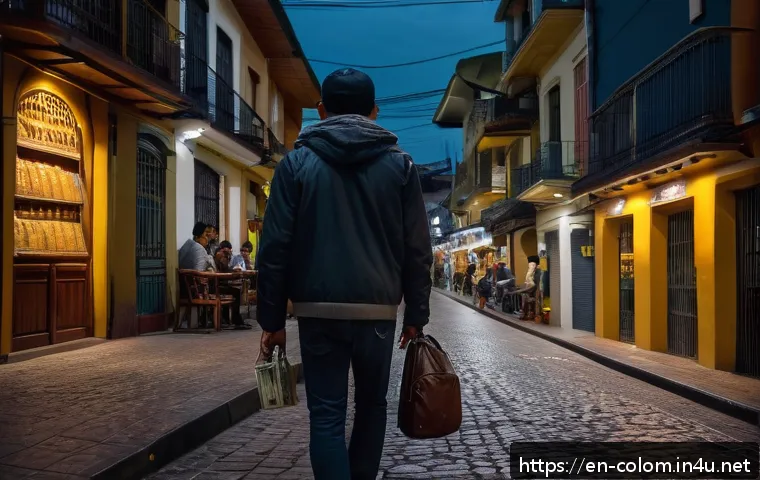
Walking Alone at Night in Unfamiliar Areas
Nighttime can amplify risks, particularly if you’re alone and unfamiliar with the neighborhood. While Colombia’s cities are vibrant after dark, some areas are less safe.
I always recommend taking registered taxis or rideshare services instead of walking alone, and avoiding poorly lit or deserted streets.
Overview of Safety Gear and Practices
| Item/Practice | Purpose | Effectiveness | Personal Experience |
|---|---|---|---|
| Crossbody Anti-theft Bag | Securely carry belongings with lockable zippers | High | Great for crowded markets; prevented attempted snatch |
| Bluetooth Tracker (Tile, AirTag) | Locate lost or stolen items quickly | Medium to High | Helped recover misplaced wallet once |
| Money Belt | Hidden storage for cash and documents | High | Used during city tours; never had issues |
| Cashless Payment Apps | Minimize carrying cash | High | Made purchases safer and faster |
| Situational Awareness | Detect suspicious behavior early | Very High | Prevented multiple potential thefts |
In Conclusion
Traveling in Colombia offers incredible experiences, but staying safe requires vigilance and smart choices. By understanding common pickpocketing tactics and adopting practical precautions, you can enjoy your trip without unnecessary worries. Remember, being prepared and aware is your best defense. Stay calm, stay alert, and make the most of your adventure.
Useful Tips to Keep in Mind
1. Always carry a secure crossbody bag with lockable zippers to deter pickpockets.
2. Use technology like Bluetooth trackers to quickly locate lost or stolen items.
3. Limit the cash and valuables you carry, using money belts or hidden pouches for extra security.
4. Stay aware of your surroundings and trust your instincts, especially in crowded or unfamiliar areas.
5. Prefer cashless payments when possible to reduce the risk of losing money on the go.
Key Takeaways for Your Safety
Understanding how pickpockets operate and where they usually strike helps you avoid risky situations. Choosing the right bag and how you wear it can make a huge difference in protecting your belongings. Using technology and organizing your valuables smartly adds extra layers of security. Most importantly, staying calm and knowing how to react if theft occurs will minimize stress and damage. Prioritize situational awareness to make your trip both enjoyable and safe.
Frequently Asked Questions (FAQ) 📖
Q: How common is pickpocketing in Colombia’s major cities like Bogotá and Medellín?
A: Pickpocketing is unfortunately quite common in busy urban areas of Colombia, especially in crowded places like markets, bus stations, and tourist hotspots.
While violent crime isn’t typically the issue, petty theft happens frequently enough that travelers should remain vigilant. From my own experience, staying aware of your surroundings and keeping valuables secured can make a huge difference in avoiding these incidents.
Q: What are the best ways to protect my belongings while exploring Colombian cities?
A: The most effective strategies include using anti-theft backpacks or money belts, keeping wallets in front pockets rather than back pockets, and avoiding flashing expensive items like cameras or jewelry.
Also, try to blend in by not carrying large amounts of cash and keeping your phone discreet. When using public transport or walking through crowded areas, it’s smart to keep bags close to your body and consider locking zippers if possible.
Q: What should I do if I become a victim of pickpocketing during my trip?
A: First, stay calm and assess the situation quickly. Report the theft to local police as soon as possible, as having an official report can help with insurance or replacing lost documents.
If your passport or credit cards were stolen, contact your embassy and bank immediately to block any fraudulent use. Sharing your experience with locals or fellow travelers can also provide support and advice on next steps.
I’ve found that being prepared and knowing these actions ahead of time reduces stress significantly.