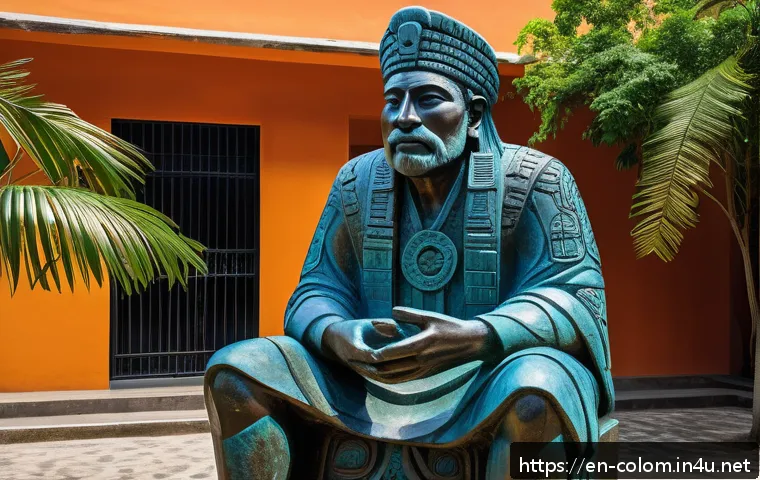
Lately, the art world has been buzzing with renewed interest in Latin American masterpieces, and Colombia’s vibrant artistic heritage is taking center stage.
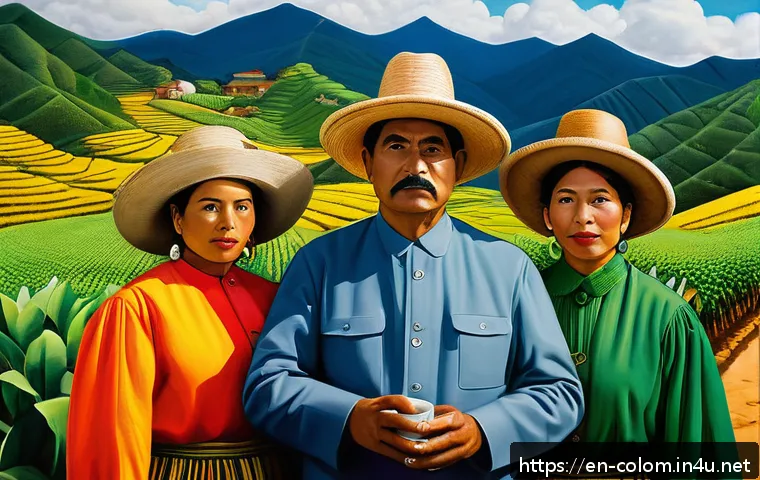
From bold sculptures that tell stories of cultural identity to vivid paintings capturing the country’s rich history, Colombia offers a treasure trove for art enthusiasts.
If you’ve ever wondered how art reflects Colombia’s unique spirit, now’s the perfect time to dive in. Join me as we explore some of the most iconic sculptures and paintings that define this fascinating nation’s creative soul.
Whether you’re an art lover or a curious traveler, this journey promises fresh insights and captivating stories you won’t want to miss.
Exploring Colombia’s Cultural Narratives Through Sculpture
The Power of Indigenous Symbols in Modern Sculpture
Colombian sculptors have long drawn inspiration from the rich tapestry of indigenous cultures, embedding ancient symbols and stories into contemporary works.
Walking through public spaces in cities like Bogotá and Medellín, you’ll notice sculptures that don’t just exist as art but as vibrant storytelling devices.
These pieces often incorporate motifs from the Muisca and Tayrona civilizations, blending mythological elements with modern artistic techniques. What’s fascinating is how these sculptures invite viewers to connect with Colombia’s pre-Columbian past, offering an immersive experience that feels both educational and deeply emotional.
It’s like encountering a dialogue between past and present, where the resilience and wisdom of indigenous communities come alive in bronze, stone, and metal.
Urban Sculptures as Reflections of Social Change
In recent decades, Colombia’s urban landscape has become a canvas for sculptures that mirror the country’s social evolution. Artists use public art to address themes like peace, resilience, and identity, especially in the aftermath of decades of conflict.
One memorable example is a large-scale installation that juxtaposes harsh industrial materials with organic forms, symbolizing the tension between development and tradition.
As someone who has spent hours admiring these works, I’ve noticed how locals and tourists alike pause to interpret these sculptures, sparking conversations about Colombia’s journey toward reconciliation.
The sculptures aren’t just decorative; they serve as catalysts for reflection, community engagement, and hope.
Material Choices and Their Cultural Significance
Colombian sculptors are remarkably intentional about their choice of materials, often selecting elements that carry cultural weight. For instance, the use of coffee wood or emerald-infused pigments isn’t merely aesthetic but deeply symbolic, connecting the artwork to Colombia’s economic and natural heritage.
In coastal regions, artists incorporate shells and coral, paying homage to the Caribbean’s influence on local identity. This thoughtful approach to materials adds layers of meaning to each piece, making the sculptures tactile embodiments of Colombia’s diverse landscapes and histories.
Experiencing these sculptures firsthand, you can almost feel the texture of Colombia’s terrain and the heartbeat of its people embedded within the art.
Vivid Storytelling in Colombian Paintings
Capturing Colombia’s History on Canvas
Colombian painters have a unique gift for translating the country’s complex history into vibrant, emotive canvases. From colonial times through modern-day struggles, the narratives embedded in these paintings are rich with symbolism and raw emotion.
Artists like Fernando Botero use exaggerated forms and bold colors to critique social and political issues, while others focus on intimate scenes of everyday life that reveal deeper truths about Colombian society.
My own experience visiting galleries in Bogotá revealed how these paintings serve as visual diaries, chronicling not just events but the emotional pulse of a nation.
The brushstrokes often carry a sense of urgency and hope, inviting viewers to see Colombia through both a critical and compassionate lens.
Nature and Myth in Colombian Art
Nature plays a starring role in much of Colombia’s painting tradition, reflecting the country’s incredible biodiversity and spiritual beliefs. Many painters weave together natural imagery with mythological references, creating works that feel like portals into a magical realist world.
This blend is deeply rooted in Colombia’s cultural identity, where folklore and environment are inseparable. For example, vibrant depictions of the Amazon rainforest coexist with surreal creatures and ancestral spirits, blurring the lines between reality and imagination.
Experiencing these paintings evokes a sense of wonder and respect for Colombia’s natural heritage, reminding us how art can celebrate and protect the environment through storytelling.
Portraiture as a Window into Colombian Identity
Portraits in Colombian art often go beyond mere likeness, offering profound insights into personal and collective identities. Many artists capture the expressions, attire, and surroundings of their subjects with painstaking detail, revealing layers of cultural and historical context.
I found that these portraits frequently highlight the resilience of everyday Colombians—farmers, fishermen, urban dwellers—whose stories are rarely told in mainstream media.
Through these faces, the paintings communicate a powerful narrative of pride, struggle, and hope. Viewing these works feels like meeting the heart of Colombia itself, personified and alive on the canvas.
How Colombia’s Artistic Legacy Influences Contemporary Creators
Bridging Tradition and Innovation
Contemporary Colombian artists are masters at blending traditional motifs with cutting-edge techniques, creating a dynamic art scene that honors the past while pushing boundaries.
This fusion often results in multimedia installations, interactive sculptures, and experimental paintings that challenge viewers’ perceptions. Having attended several exhibitions showcasing this new wave of creativity, I’ve noticed a strong thread of cultural pride woven through the works, despite their avant-garde nature.
These artists aren’t just creating for aesthetic appeal; they’re crafting pieces that question, celebrate, and redefine what it means to be Colombian in the 21st century.
The Role of Art Festivals in Shaping Artistic Dialogue
Colombia’s numerous art festivals, such as the Festival de Arte de Manizales, play a crucial role in promoting dialogue between artists from different regions and generations.
These events provide platforms for emerging talents to showcase their work alongside established figures, fostering a vibrant exchange of ideas. The festivals often feature public workshops, performances, and community projects, making art accessible and engaging for a broad audience.
From my experience attending a festival in Cali, I can attest to the electric atmosphere—where creativity pulses through the streets and sparks collaborations that reverberate long after the event ends.
The Global Impact of Colombian Artists
Colombian artists are increasingly gaining recognition on the international stage, bringing the country’s unique perspectives to global audiences. This growing presence is not just about fame but about influencing broader conversations around identity, social justice, and cultural heritage.
Artists like Doris Salcedo have garnered acclaim for works that confront trauma and memory, while others blend Colombian aesthetics with global art movements.
Observing this trend, it’s clear that Colombian art is becoming a vital voice in contemporary art dialogues, bridging local narratives with universal themes.
Iconic Themes That Resonate Through Colombian Art
Resilience Amidst Turmoil
A recurring theme in Colombian art is resilience—a testament to the country’s ability to endure and thrive despite conflict and hardship. Sculptures and paintings alike often depict figures standing strong against chaotic backdrops or abstract representations of struggle.
This theme resonates deeply with locals who have lived through periods of violence and displacement, and it offers outsiders a nuanced understanding of Colombia’s spirit.
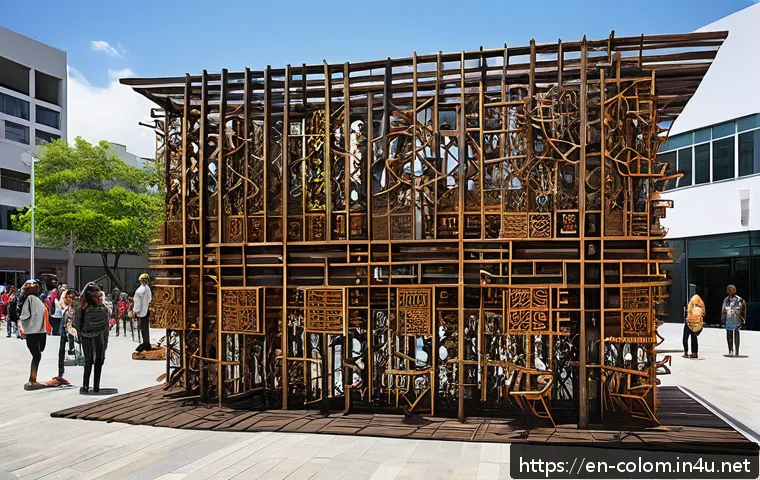
When I first encountered a sculpture symbolizing peace emerging from broken chains, it struck me as a powerful metaphor for hope and renewal that transcends borders.
Celebration of Diversity
Colombia’s art vividly celebrates the country’s ethnic, cultural, and geographical diversity. From Afro-Colombian motifs to Andean landscapes, artists embrace the multiplicity that defines the nation.
This celebration is not only aesthetic but political, asserting visibility and pride for communities historically marginalized. Paintings rich with colorful textiles, traditional dances, and indigenous rituals create a mosaic of identity that challenges simplistic narratives.
Engaging with these artworks, I felt a deep appreciation for Colombia’s pluralism and the way art can unify disparate stories into a collective expression.
Spirituality and Mythology
Spirituality permeates much of Colombian art, where mythological figures and religious symbolism intertwine to explore existential questions. Whether through sculptures representing syncretic beliefs or paintings depicting saints alongside indigenous deities, the art creates a rich spiritual dialogue.
This dimension adds depth and mystery, inviting viewers to ponder themes of life, death, and transcendence. Experiencing these works firsthand, I sensed a profound connection between art and faith that defines much of Colombian cultural identity.
Where to Experience Colombia’s Artistic Treasures Today
Museums and Galleries Worth Visiting
Colombia’s major cities boast an impressive array of museums and galleries dedicated to preserving and promoting national art. The Museo Botero in Bogotá offers an intimate look at one of the country’s most famous painters and his impressive collection, while the Museo de Arte Moderno in Medellín showcases cutting-edge contemporary works.
Smaller galleries scattered throughout the country often highlight local talents and experimental projects. Visiting these spaces, I was struck by their commitment to accessibility and education, providing visitors with rich contextual information that enhances appreciation.
Public Art Tours and Cultural Walks
For those wanting a more immersive experience, public art tours and cultural walks offer guided explorations of Colombia’s urban art scenes. These tours often include visits to iconic sculptures, murals, and historical sites, led by knowledgeable locals who share insider stories.
Participating in one of these tours in Bogotá allowed me to discover hidden gems and understand the socio-political contexts behind each artwork. These experiences transform a simple stroll into a meaningful encounter with Colombia’s artistic heartbeat.
Art Markets and Festivals for Collectors and Enthusiasts
Colombia’s vibrant art markets and festivals provide opportunities not only to view but also to acquire unique pieces directly from artists. Events like the Feria Internacional de Arte de Bogotá attract collectors, curators, and enthusiasts from around the world, creating a dynamic marketplace.
I found these gatherings to be excellent venues for networking and gaining insight into emerging trends. The lively atmosphere, combined with the chance to support local artists, makes these events unforgettable highlights for anyone passionate about Colombian art.
| Art Form | Notable Artists | Key Themes | Typical Materials | Locations to Experience |
|---|---|---|---|---|
| Sculpture | Edgar Negret, Doris Salcedo | Identity, Resilience, Indigenous Heritage | Bronze, Stone, Coffee Wood, Metal | Bogotá, Medellín, Cartagena |
| Painting | Fernando Botero, Alejandro Obregón | History, Social Critique, Nature, Spirituality | Oil, Acrylic, Mixed Media | Bogotá Museums, Cali Galleries |
| Public Art | Various Contemporary Artists | Peace, Social Change, Urban Life | Concrete, Metal, Paint | Urban Centers, Art Festivals |
The Emotional Impact of Colombia’s Art on Viewers
Connecting Personally with Cultural Expressions
Encountering Colombian art often sparks a profound emotional response, rooted in its raw authenticity and storytelling power. Personally, I’ve found myself moved by the way certain sculptures or paintings capture universal feelings—hope, sorrow, joy—while remaining distinctly Colombian.
This emotional connection makes the art accessible regardless of one’s background, inviting empathy and reflection. It’s an experience that lingers, encouraging viewers to carry a piece of Colombia’s spirit with them long after they leave the gallery or public square.
Art as a Bridge Across Cultures
Colombian art serves as a remarkable bridge, connecting diverse cultures both within the country and internationally. Through its vivid narratives and symbolic language, it invites dialogue across cultural boundaries, fostering understanding and appreciation.
From my conversations with fellow travelers and locals alike, it’s clear that art facilitates deeper conversations about Colombia’s identity and challenges.
This bridging role enriches the global art community, positioning Colombian artists as vital contributors to worldwide cultural exchanges.
The Transformative Power of Art in Healing
Art in Colombia isn’t just about aesthetics—it’s a tool for healing and transformation. Many works address themes of trauma and reconciliation, reflecting the country’s ongoing peace process.
Experiencing these pieces firsthand, I’ve witnessed how they create safe spaces for collective mourning and hope. This transformative power extends beyond the art itself, influencing communities and individuals by fostering resilience and dialogue.
It’s a testament to how deeply intertwined art and life are in Colombia, shaping not just culture but the very fabric of society.
In Conclusion
Colombia’s art scene offers a vivid window into the nation’s soul, blending history, culture, and emotion in powerful ways. Through sculpture, painting, and public art, artists invite us to explore themes of identity, resilience, and hope. Experiencing these works firsthand reveals how deeply art is woven into Colombia’s social fabric, making it both a reflection and a catalyst for change. Whether you’re a seasoned art lover or a curious traveler, Colombia’s artistic treasures promise a meaningful and unforgettable journey.
Useful Information to Know
1. Many Colombian sculptures incorporate indigenous symbols that carry deep cultural significance, connecting modern viewers with ancient traditions.
2. Urban public art in Colombia often addresses social issues such as peace and reconciliation, turning city spaces into places for reflection and dialogue.
3. Artists carefully select materials like coffee wood and emerald pigments to highlight Colombia’s natural resources and heritage.
4. Colombian paintings are known for their vibrant storytelling, blending history, nature, and mythology to create emotionally rich experiences.
5. Art festivals and public tours are excellent opportunities to engage with Colombia’s contemporary art scene and meet local creators.
Key Takeaways
Colombian art is a dynamic fusion of tradition and innovation, deeply rooted in the country’s diverse cultural narratives. It serves not only as a form of aesthetic expression but also as a powerful tool for social healing and cultural dialogue. Whether through monumental sculptures or intimate portraits, the art captures the resilience and spirit of Colombia’s people. Engaging with these works offers valuable insights into the nation’s complex history and hopeful future, making Colombian art an essential experience for anyone interested in meaningful cultural exploration.
Frequently Asked Questions (FAQ) 📖
Q: What makes Colombian art unique compared to other Latin
A: merican countries? A1: Colombian art stands out due to its vibrant blend of indigenous, African, and Spanish influences, which together create a rich cultural tapestry.
The country’s history of diverse ethnic groups and dramatic landscapes inspires artists to explore themes of identity, resilience, and nature in bold and colorful ways.
Unlike some neighboring countries that may focus more on political narratives, Colombian artists often emphasize storytelling through folklore, mythology, and everyday life, giving their work a deeply personal and emotive quality.
Q: Which Colombian artists or artworks should I definitely see to understand the country’s artistic heritage?
A: To truly appreciate Colombia’s artistic soul, you can’t miss Fernando Botero’s iconic sculptures and paintings, famous for their exaggerated, voluptuous figures that offer a unique commentary on society and culture.
Another must-see is the vibrant mural art in Bogotá, where local artists depict social issues and historical events with striking colors and dynamic compositions.
Also, exploring pre-Columbian artifacts and indigenous crafts reveals the deep roots of Colombia’s creative expression. Visiting museums like Museo Botero or Museo de Arte Moderno de Bogotá offers a comprehensive glimpse into this rich artistic landscape.
Q: How does Colombian art reflect the country’s cultural identity and history?
A: Colombian art acts as a visual narrative of the nation’s complex history and diverse cultures. Through sculptures and paintings, artists capture stories of indigenous heritage, colonial struggles, Afro-Colombian traditions, and the ongoing journey toward social unity.
Many pieces use symbolism tied to nature—like the Amazon rainforest and Andean mountains—which are central to Colombia’s identity. Artworks often convey resilience and hope, reflecting the country’s ability to transform hardship into vibrant creativity, making Colombian art both a historical archive and an expression of national pride.