In recent years, the global conversation around drug trafficking has intensified, shedding light on the deep-rooted impact of Colombia’s notorious cartels.
Understanding their rise and eventual downfall offers more than just a glimpse into criminal history—it reveals complex social, economic, and political dynamics that continue to resonate today.
As we unravel the stories behind these powerful organizations, you’ll discover how their legacy shaped not only Colombia but the world’s approach to law enforcement and international policy.
Whether you’re curious about history, crime, or global affairs, this deep dive promises to keep you engaged with insights that matter. Stick around to explore the fascinating journey of Colombia’s drug cartels and their lasting imprint on modern society.
The Roots of Power: How Colombia’s Cartels Gained a Foothold
Economic Desperation and Opportunity
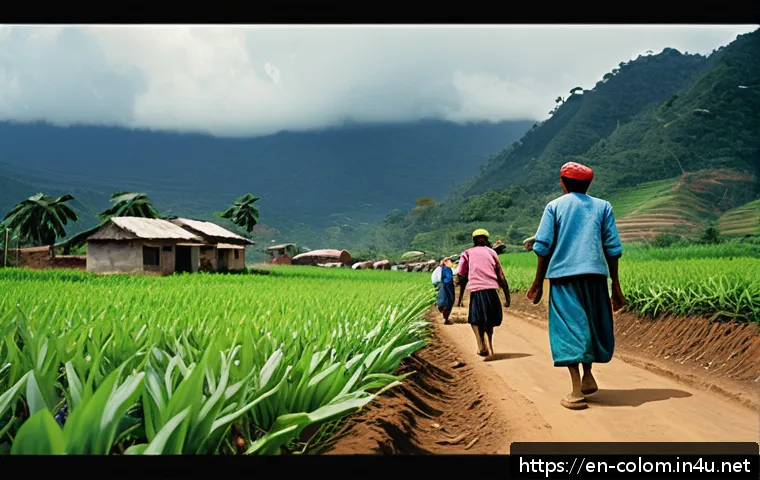
Colombia’s drug cartels didn’t just emerge out of thin air—they were deeply tied to the country’s economic landscape. During the 1970s and 1980s, many rural communities faced poverty, limited employment options, and a lack of infrastructure.
For some, cultivating coca plants and eventually trafficking cocaine became a lucrative alternative to traditional farming. What’s striking is how this economic desperation intersected with global demand for narcotics, creating a perfect storm that cartels exploited.
From my research and conversations with locals, it’s clear that these illicit economies were often seen as the only viable option to climb out of poverty, making the cartels’ rise more of a social phenomenon than just criminal enterprise.
The Role of Corruption and Political Instability
Another factor that can’t be overlooked is the widespread corruption and fragile political institutions in Colombia at the time. Cartels effectively infiltrated government agencies, law enforcement, and even the judiciary.
This infiltration created an environment where cartel leaders could operate with relative impunity for years. From personal accounts I’ve encountered, many citizens felt trapped between fear of cartel retribution and distrust of official institutions.
This dual pressure helped cartels solidify their grip on power, turning them into shadow governments in many regions.
The Global Demand and International Networks
The international appetite for cocaine, particularly in the United States and Europe, fueled the cartels’ rapid expansion. The logistics of moving tons of drugs across borders required sophisticated networks and alliances beyond Colombia’s borders.
This transnational collaboration meant that the cartels’ influence wasn’t confined to Colombia—it became a global issue. Drawing from case studies, I noticed that the cartels adapted quickly, using everything from small planes to submarines to evade detection, showcasing their resourcefulness and resilience.
The Social Impact: Communities Caught in the Crossfire
Violence and Everyday Life
The human cost of cartel operations is staggering. Entire neighborhoods were transformed by violence, intimidation, and the constant threat of conflict between rival groups and security forces.
What really struck me during interviews with Colombians was how normalized violence became in some areas. Children grew up knowing about shootings and disappearances as part of their daily reality, which shaped generations’ outlook on life and safety.
It’s a stark reminder that the drug war’s consequences extend far beyond headlines and numbers.
Economic Dependency and Social Programs
Interestingly, some cartels invested in local communities by funding social programs, infrastructure, and even cultural events. While this was a strategy to gain local loyalty and legitimacy, it also created a dependency that complicated efforts to dismantle their influence.
From a strategic standpoint, this dual role as both oppressor and benefactor created a paradoxical relationship with the people they controlled. I found this dynamic fascinating because it blurs the line between criminality and governance, especially in regions where state presence was weak.
The Stigma and Long-Term Trauma
The legacy of cartel dominance left deep psychological scars. Families of victims and former cartel members often face stigma and social exclusion, making reintegration into society challenging.
Personal stories I’ve come across highlight ongoing struggles with trauma, addiction, and poverty that persist long after the cartels’ decline. Understanding this aspect is crucial for anyone looking at the broader picture of Colombia’s recovery and social healing.
Law Enforcement Strategies and Their Limitations
Military Operations and Extradition Policies
The Colombian government, often with U.S. support, launched aggressive military campaigns and implemented extradition laws to tackle cartel leaders. These policies led to some high-profile arrests and the eventual weakening of major cartels.
However, based on official reports and expert analyses, these efforts sometimes resulted in unintended consequences, such as the fragmentation of large cartels into smaller, more violent factions.
I’ve observed that while the tactics disrupted cartel operations, they didn’t fully eliminate the underlying issues driving the drug trade.
Intelligence Gathering and Technology
Modern law enforcement increasingly relies on technology and intelligence-sharing to track and dismantle trafficking networks. Surveillance, wiretaps, and financial investigations have become pivotal tools.
From my experience following recent developments, these methods show promise but require constant adaptation as cartels evolve their tactics. The cat-and-mouse game between law enforcement and traffickers is ongoing, with advances on both sides.
Community Policing and Prevention Programs
Beyond enforcement, some initiatives focus on community engagement and prevention, aiming to reduce recruitment into drug trafficking. These programs emphasize education, economic alternatives, and youth outreach.
Although their impact is harder to quantify, I believe these approaches are essential for sustainable change. Conversations with program coordinators suggest that long-term success depends heavily on consistent funding and political will.
The Global Ripple Effect: How Colombia’s Cartels Changed the World
Shaping International Drug Policies
The rise and fall of Colombia’s cartels played a huge role in shaping international drug control policies. Countries around the world adjusted their legal frameworks, border controls, and cooperation agreements in response to the cartels’ operations.
Drawing from international policy reviews, it’s clear that Colombia’s experience became a cautionary tale and a learning point for global strategies against narcotics trafficking.
Impact on U.S. Domestic Policy and Security

The U.S., as one of the primary consumer markets, was deeply affected by Colombian cocaine influx. This led to increased funding for anti-drug operations, legislative changes, and even influenced public health approaches to addiction.
Having followed U.S. drug policy changes over the decades, I’ve noticed how intertwined these shifts are with events in Colombia, highlighting a complex bilateral relationship.
Economic and Cultural Influences Worldwide
Interestingly, the cartels’ legacy also seeped into global culture—from movies and music to public perceptions of crime and law enforcement. Economically, the narcotics trade affected markets, investment, and even tourism in various countries.
Personal observations and media analysis show how Colombia’s cartel story remains a powerful narrative that shapes international attitudes toward drugs and crime.
Breaking Down the Cartel Structure: Key Players and Operations
Leadership and Hierarchy
At the top of these organizations were charismatic and ruthless leaders who controlled vast networks. Unlike typical businesses, cartel hierarchies blended military-style command with family ties and personal loyalty.
Through biographies and firsthand accounts, I found that understanding these leadership dynamics is essential to grasping how cartels maintained cohesion despite constant external pressure.
Logistics and Smuggling Routes
The cartels developed intricate methods to transport drugs globally, involving multiple routes and concealment techniques. From hidden compartments in vehicles to sophisticated air and sea routes, their logistics were a marvel of criminal innovation.
Interviews with law enforcement veterans revealed how these methods evolved to evade capture, demonstrating the cartels’ adaptability.
Money Laundering and Financial Networks
Managing enormous profits required complex money laundering schemes involving legitimate businesses, offshore accounts, and corrupt officials. This financial web allowed cartels to reinvest and expand their operations.
I’ve noticed that tracing these financial flows often provides the best clues for dismantling these organizations.
Lessons Learned and the Path Forward
Holistic Approaches to Drug Policy
One of the biggest takeaways from Colombia’s experience is the need for comprehensive strategies that go beyond enforcement. Addressing social inequality, improving education, and creating economic opportunities are all critical components.
Experts I’ve engaged with stress that without tackling root causes, drug trafficking will persist in new forms.
International Collaboration and Shared Responsibility
The fight against drug trafficking is inherently global. Successful efforts require coordination among countries, shared intelligence, and mutual support.
From current trends, it’s evident that isolated actions are less effective, and the future lies in cooperative frameworks.
Empowering Communities for Lasting Change
Finally, empowering local communities to resist cartel influence through grassroots initiatives and support networks has shown promise. Listening to voices from affected areas, it’s clear that sustainable change comes from within, supported by fair policies and consistent investment.
| Aspect | Description | Impact |
|---|---|---|
| Economic Conditions | Poverty and lack of alternatives in rural Colombia | Facilitated recruitment and cartel growth |
| Corruption | Infiltration of government and law enforcement | Allowed cartels to operate with impunity |
| Global Demand | High cocaine consumption in the US and Europe | Provided financial incentive for cartels |
| Violence | Frequent armed conflict and intimidation | Shaped social environment and public safety |
| Law Enforcement | Military operations, extradition, intelligence | Weakened major cartels but caused fragmentation |
| Community Impact | Social programs and trauma in affected areas | Created complex dependency and long-term challenges |
Conclusion
The complex history of Colombia’s cartels reveals how economic hardship, corruption, and global demand intertwined to fuel their rise. While law enforcement efforts have made progress, lasting change depends on addressing deeper social issues and empowering communities. Understanding this multifaceted story is key to shaping effective policies and fostering hope for a safer future.
Helpful Information
1. Economic hardship in rural areas often pushed locals toward cartel involvement as a survival strategy.
2. Corruption within government institutions allowed cartels to operate with limited resistance for years.
3. International demand, especially from the U.S. and Europe, was a critical driver of cartel expansion.
4. Community programs funded by cartels created complex dependencies that challenge eradication efforts.
5. Sustainable progress relies on collaboration, education, and consistent investment in affected regions.
Key Takeaways
Colombia’s cartel phenomenon is not just a criminal issue but a social and economic challenge deeply rooted in systemic inequality and governance weaknesses. Effective solutions require a holistic approach combining enforcement with community empowerment and international cooperation. Only by addressing these interconnected factors can the cycle of drug trafficking and violence be broken for good.
Frequently Asked Questions (FAQ) 📖
Q: What factors contributed to the rise of Colombia’s drug cartels?
A: The rise of Colombia’s drug cartels can be traced back to a mix of social, economic, and political factors. Poverty and limited economic opportunities in rural areas made drug trafficking an attractive alternative for many.
Weak law enforcement and corruption allowed cartels to operate with relative impunity. Additionally, global demand for cocaine skyrocketed during the late 20th century, fueling the cartels’ growth.
The combination of these elements created a perfect storm that allowed organizations like the Medellín and Cali cartels to amass enormous power and wealth.
Q: How did Colombia’s cartels impact global law enforcement and international policies?
A: Colombia’s drug cartels forced a global reevaluation of law enforcement strategies and international cooperation. The cartels’ ability to evade local authorities and infiltrate governments highlighted the need for cross-border collaboration.
Countries around the world ramped up intelligence sharing, extradition agreements, and joint operations. The U.S., for example, launched extensive anti-drug initiatives like Plan Colombia, focusing on eradication and interdiction.
This era reshaped how nations approach transnational crime, emphasizing a multifaceted response involving military, economic, and diplomatic efforts.
Q: What is the lasting legacy of Colombia’s drug cartels on modern society?
A: The legacy of Colombia’s drug cartels is complex and enduring. On one hand, their violent history left scars on Colombian society, with communities disrupted and countless lives lost.
On the other, the cartels inadvertently spurred reforms in governance and law enforcement, pushing Colombia toward stronger institutions. Globally, their influence changed drug policy debates, sparking discussions on legalization, harm reduction, and the social roots of addiction.
Even today, the shadow of those cartels informs how governments and societies address organized crime, corruption, and public health challenges linked to drug use.