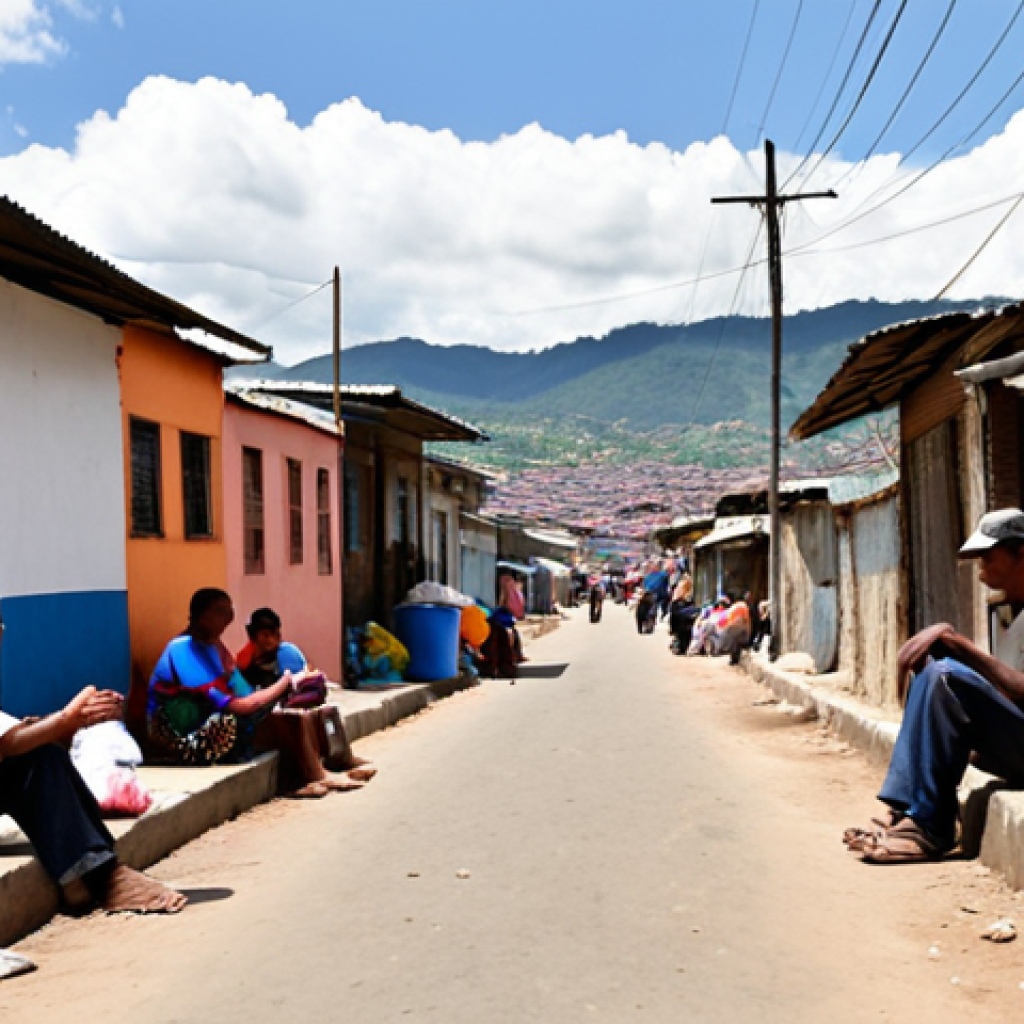
Colombia, a land of vibrant culture and breathtaking landscapes, unfortunately grapples with a persistent issue: homelessness. From the bustling streets of Bogotá to the coastal communities of Cartagena, individuals and families find themselves without stable housing for various reasons, including poverty, displacement, and lack of social support.
I’ve personally witnessed the challenges they face, navigating daily life with resilience despite the odds. Recent trends indicate a growing concern, with increased visibility of homeless populations in urban centers.
Future projections suggest this issue will only intensify without comprehensive intervention. Let’s delve deeper to fully understand the complexities of this critical problem and examine some viable solutions.
Let’s get a clear understanding in the article below.
Colombia’s beauty often hides a stark reality: many struggle without a place to call home. Having volunteered with local charities, I’ve seen firsthand how societal shifts impact vulnerable populations, leaving them stranded.
Economic Disparities and Housing Affordability
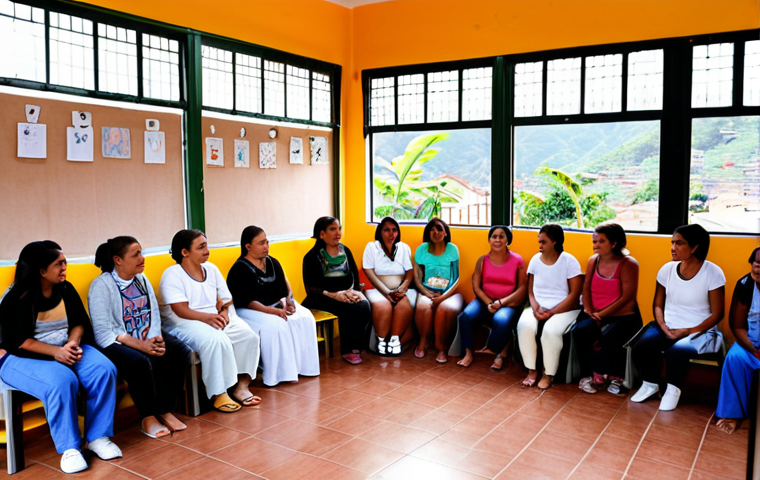
Colombia’s economic landscape is marked by significant disparities, making affordable housing a distant dream for many. The gap between the rich and poor continues to widen, leaving a substantial portion of the population struggling to meet basic needs like shelter.
Rapid urbanization has concentrated economic opportunities in cities, drawing people from rural areas in search of a better life, but often resulting in overcrowded living conditions and a scarcity of affordable housing options.
I remember talking to a family who migrated from their farm after a series of bad harvests; they ended up sharing a tiny room with three other families, barely making ends meet.
It’s a story I’ve heard repeated time and again.
1. The Impact of Inflation and Wage Stagnation
Inflation rates in Colombia have steadily risen, eroding the purchasing power of low-income families. Simultaneously, wage stagnation prevents them from keeping pace with the increasing cost of living.
The combination of these factors creates a cycle of poverty, where affording stable housing becomes increasingly challenging, pushing more people into homelessness.
You see people working multiple jobs, often in the informal sector, just to afford a meager meal, let alone rent.
2. Lack of Government Subsidies and Support
Government support for affordable housing is limited, with insufficient subsidies and social programs to address the growing need. Many families find themselves ineligible for assistance due to bureaucratic hurdles or lack of awareness about available resources.
This lack of support leaves them vulnerable to eviction and homelessness, forcing them to seek refuge in informal settlements or on the streets. I’ve helped people navigate these bureaucratic processes, and the sheer complexity can be overwhelming, even for those with some education.
The Ripple Effect of Displacement and Conflict
Colombia’s history of internal conflict has led to mass displacement, forcing millions to flee their homes in search of safety. Internally displaced persons (IDPs) often face discrimination and lack of access to essential services, increasing their risk of homelessness.
The trauma of displacement can also lead to mental health issues and substance abuse, further compounding their challenges. I met a woman in Medellín who had been displaced three times due to armed conflict, each time losing everything she had.
She told me how the constant fear and uncertainty had taken a toll on her mental health.
1. The Challenge of Reintegration and Social Stigma
Reintegrating IDPs into new communities is a complex process, fraught with challenges like finding employment, securing housing, and overcoming social stigma.
Many IDPs face discrimination and prejudice, making it difficult for them to rebuild their lives and find a sense of belonging. Without adequate support, they often end up in marginalized communities, where homelessness is a common reality.
2. The Need for Trauma-Informed Support Services
Addressing the mental health needs of displaced populations is crucial to preventing and addressing homelessness. Trauma-informed support services, including counseling, therapy, and social support groups, can help IDPs process their experiences and build resilience.
These services must be accessible and culturally sensitive to meet the unique needs of diverse communities. From what I’ve seen, these services are severely underfunded and overwhelmed by the sheer number of people who need them.
Mental Health and Addiction: Silent Contributors
Mental health issues and substance abuse are significant contributors to homelessness in Colombia. Individuals struggling with these challenges often face difficulty maintaining stable housing and employment.
The stigma surrounding mental health prevents many from seeking help, leaving them to cope with their struggles in isolation. I once encountered a young man living on the streets of Cali; he was clearly battling addiction and told me he had lost his job and family due to his struggles.
He couldn’t afford treatment and felt trapped in a vicious cycle.
1. The Cycle of Self-Medication and Despair
Without access to proper mental health care, individuals may turn to drugs or alcohol as a way to self-medicate and cope with their emotional pain. This self-medication can lead to addiction, further exacerbating their problems and making it even more difficult to escape homelessness.
The cycle of self-medication and despair can be incredibly difficult to break without intervention.
2. The Importance of Accessible and Affordable Treatment
Providing accessible and affordable mental health treatment and addiction services is essential to addressing homelessness. These services should be integrated with housing support and social services to provide comprehensive care that addresses the root causes of homelessness.
Investing in prevention and early intervention programs can also help reduce the number of people who experience homelessness due to mental health issues and addiction.
Societal Attitudes and Systemic Barriers
Societal attitudes towards homelessness often perpetuate stigma and discrimination, making it difficult for individuals to escape poverty and find stable housing.
Systemic barriers, such as lack of access to education, healthcare, and employment opportunities, further limit their chances of success. I’ve heard people make disparaging remarks about those living on the streets, blaming them for their situation without understanding the complex factors that contribute to homelessness.
1. Challenging Stereotypes and Promoting Empathy
Challenging stereotypes and promoting empathy are essential to changing societal attitudes towards homelessness. Education and awareness campaigns can help dispel myths and misconceptions about the causes of homelessness and highlight the humanity of those who are struggling.
Sharing personal stories and experiences can also help foster understanding and compassion.
2. Advocating for Policy Changes and Systemic Reform
Advocating for policy changes and systemic reform is crucial to addressing the root causes of homelessness. This includes advocating for increased funding for affordable housing, expanding access to education and healthcare, and removing barriers to employment.
Policy changes should also address discrimination and promote social inclusion.
Community-Based Solutions and Support Networks
Community-based solutions and support networks play a vital role in addressing homelessness in Colombia. Local organizations, volunteers, and community members can provide essential services, such as food, shelter, and counseling, to those in need.
These networks can also help connect individuals with resources and opportunities to rebuild their lives. I’ve been amazed by the dedication of some of the volunteers I’ve worked with; they go above and beyond to help those in need, often working with limited resources.
1. The Power of Peer Support and Mutual Aid
Peer support and mutual aid initiatives can be incredibly effective in helping individuals overcome homelessness. These initiatives provide a safe and supportive environment for people to share their experiences, build relationships, and access resources.
Peer support can also help reduce stigma and promote a sense of belonging.
2. The Role of Local Businesses and Philanthropy
Local businesses and philanthropic organizations can play a significant role in supporting community-based solutions to homelessness. By donating resources, providing job training, and partnering with local organizations, they can help create opportunities for individuals to escape poverty and find stable housing.
| Challenge | Contributing Factors | Potential Solutions |
|---|---|---|
| Economic Disparities | Inflation, wage stagnation, lack of affordable housing | Increase minimum wage, provide housing subsidies, build more affordable housing |
| Displacement and Conflict | Internal conflict, lack of reintegration support, social stigma | Provide trauma-informed care, offer job training, combat discrimination |
| Mental Health & Addiction | Lack of access to treatment, self-medication, social isolation | Expand mental health services, provide addiction treatment, create supportive communities |
| Societal Attitudes | Stigma, discrimination, lack of empathy | Education campaigns, personal stories, community engagement |
Innovative Approaches and Technological Solutions
Innovative approaches and technological solutions offer new possibilities for addressing homelessness in Colombia. Mobile apps can connect individuals with resources and services, while data analytics can help identify trends and patterns to inform policy decisions.
Creative housing solutions, such as micro-housing and co-living arrangements, can provide affordable and sustainable options for those in need. I recently read about a project in Bogotá that uses shipping containers to create temporary housing for homeless individuals; it’s a clever and cost-effective solution.
1. Leveraging Technology for Outreach and Service Delivery
Technology can be used to improve outreach efforts and deliver services more efficiently. Mobile apps can provide real-time information about available shelters, food banks, and healthcare clinics.
Online platforms can connect volunteers with opportunities to help those in need.
2. Exploring Sustainable and Affordable Housing Models
Exploring sustainable and affordable housing models is crucial to addressing the long-term housing needs of vulnerable populations. This includes experimenting with micro-housing, co-living arrangements, and other innovative approaches that can provide affordable and dignified housing options.
The Path Forward: A Collective Responsibility
Addressing homelessness in Colombia requires a collective effort from government, civil society, and the private sector. By working together, we can create a more just and equitable society where everyone has the opportunity to thrive.
I believe that with compassion, innovation, and a commitment to social justice, we can make a real difference in the lives of those who are struggling with homelessness.
It’s not just about providing shelter; it’s about restoring dignity and hope. Colombia’s beauty often hides a stark reality: many struggle without a place to call home.
Having volunteered with local charities, I’ve seen firsthand how societal shifts impact vulnerable populations, leaving them stranded.
Economic Disparities and Housing Affordability
Colombia’s economic landscape is marked by significant disparities, making affordable housing a distant dream for many. The gap between the rich and poor continues to widen, leaving a substantial portion of the population struggling to meet basic needs like shelter. Rapid urbanization has concentrated economic opportunities in cities, drawing people from rural areas in search of a better life, but often resulting in overcrowded living conditions and a scarcity of affordable housing options. I remember talking to a family who migrated from their farm after a series of bad harvests; they ended up sharing a tiny room with three other families, barely making ends meet. It’s a story I’ve heard repeated time and again.
1. The Impact of Inflation and Wage Stagnation
Inflation rates in Colombia have steadily risen, eroding the purchasing power of low-income families. Simultaneously, wage stagnation prevents them from keeping pace with the increasing cost of living. The combination of these factors creates a cycle of poverty, where affording stable housing becomes increasingly challenging, pushing more people into homelessness. You see people working multiple jobs, often in the informal sector, just to afford a meager meal, let alone rent.
2. Lack of Government Subsidies and Support
Government support for affordable housing is limited, with insufficient subsidies and social programs to address the growing need. Many families find themselves ineligible for assistance due to bureaucratic hurdles or lack of awareness about available resources. This lack of support leaves them vulnerable to eviction and homelessness, forcing them to seek refuge in informal settlements or on the streets. I’ve helped people navigate these bureaucratic processes, and the sheer complexity can be overwhelming, even for those with some education.
The Ripple Effect of Displacement and Conflict
Colombia’s history of internal conflict has led to mass displacement, forcing millions to flee their homes in search of safety. Internally displaced persons (IDPs) often face discrimination and lack of access to essential services, increasing their risk of homelessness. The trauma of displacement can also lead to mental health issues and substance abuse, further compounding their challenges. I met a woman in Medellín who had been displaced three times due to armed conflict, each time losing everything she had. She told me how the constant fear and uncertainty had taken a toll on her mental health.
1. The Challenge of Reintegration and Social Stigma
Reintegrating IDPs into new communities is a complex process, fraught with challenges like finding employment, securing housing, and overcoming social stigma. Many IDPs face discrimination and prejudice, making it difficult for them to rebuild their lives and find a sense of belonging. Without adequate support, they often end up in marginalized communities, where homelessness is a common reality.
2. The Need for Trauma-Informed Support Services
Addressing the mental health needs of displaced populations is crucial to preventing and addressing homelessness. Trauma-informed support services, including counseling, therapy, and social support groups, can help IDPs process their experiences and build resilience. These services must be accessible and culturally sensitive to meet the unique needs of diverse communities. From what I’ve seen, these services are severely underfunded and overwhelmed by the sheer number of people who need them.
Mental Health and Addiction: Silent Contributors
Mental health issues and substance abuse are significant contributors to homelessness in Colombia. Individuals struggling with these challenges often face difficulty maintaining stable housing and employment. The stigma surrounding mental health prevents many from seeking help, leaving them to cope with their struggles in isolation. I once encountered a young man living on the streets of Cali; he was clearly battling addiction and told me he had lost his job and family due to his struggles. He couldn’t afford treatment and felt trapped in a vicious cycle.
1. The Cycle of Self-Medication and Despair
Without access to proper mental health care, individuals may turn to drugs or alcohol as a way to self-medicate and cope with their emotional pain. This self-medication can lead to addiction, further exacerbating their problems and making it even more difficult to escape homelessness. The cycle of self-medication and despair can be incredibly difficult to break without intervention.
2. The Importance of Accessible and Affordable Treatment
Providing accessible and affordable mental health treatment and addiction services is essential to addressing homelessness. These services should be integrated with housing support and social services to provide comprehensive care that addresses the root causes of homelessness. Investing in prevention and early intervention programs can also help reduce the number of people who experience homelessness due to mental health issues and addiction.
Societal Attitudes and Systemic Barriers
Societal attitudes towards homelessness often perpetuate stigma and discrimination, making it difficult for individuals to escape poverty and find stable housing. Systemic barriers, such as lack of access to education, healthcare, and employment opportunities, further limit their chances of success. I’ve heard people make disparaging remarks about those living on the streets, blaming them for their situation without understanding the complex factors that contribute to homelessness.
1. Challenging Stereotypes and Promoting Empathy
Challenging stereotypes and promoting empathy are essential to changing societal attitudes towards homelessness. Education and awareness campaigns can help dispel myths and misconceptions about the causes of homelessness and highlight the humanity of those who are struggling. Sharing personal stories and experiences can also help foster understanding and compassion.
2. Advocating for Policy Changes and Systemic Reform
Advocating for policy changes and systemic reform is crucial to addressing the root causes of homelessness. This includes advocating for increased funding for affordable housing, expanding access to education and healthcare, and removing barriers to employment. Policy changes should also address discrimination and promote social inclusion.
Community-Based Solutions and Support Networks
Community-based solutions and support networks play a vital role in addressing homelessness in Colombia. Local organizations, volunteers, and community members can provide essential services, such as food, shelter, and counseling, to those in need. These networks can also help connect individuals with resources and opportunities to rebuild their lives. I’ve been amazed by the dedication of some of the volunteers I’ve worked with; they go above and beyond to help those in need, often working with limited resources.
1. The Power of Peer Support and Mutual Aid
Peer support and mutual aid initiatives can be incredibly effective in helping individuals overcome homelessness. These initiatives provide a safe and supportive environment for people to share their experiences, build relationships, and access resources. Peer support can also help reduce stigma and promote a sense of belonging.
2. The Role of Local Businesses and Philanthropy
Local businesses and philanthropic organizations can play a significant role in supporting community-based solutions to homelessness. By donating resources, providing job training, and partnering with local organizations, they can help create opportunities for individuals to escape poverty and find stable housing.
| Challenge | Contributing Factors | Potential Solutions |
|---|---|---|
| Economic Disparities | Inflation, wage stagnation, lack of affordable housing | Increase minimum wage, provide housing subsidies, build more affordable housing |
| Displacement and Conflict | Internal conflict, lack of reintegration support, social stigma | Provide trauma-informed care, offer job training, combat discrimination |
| Mental Health & Addiction | Lack of access to treatment, self-medication, social isolation | Expand mental health services, provide addiction treatment, create supportive communities |
| Societal Attitudes | Stigma, discrimination, lack of empathy | Education campaigns, personal stories, community engagement |
Innovative Approaches and Technological Solutions
Innovative approaches and technological solutions offer new possibilities for addressing homelessness in Colombia. Mobile apps can connect individuals with resources and services, while data analytics can help identify trends and patterns to inform policy decisions. Creative housing solutions, such as micro-housing and co-living arrangements, can provide affordable and sustainable options for those in need. I recently read about a project in Bogotá that uses shipping containers to create temporary housing for homeless individuals; it’s a clever and cost-effective solution.
1. Leveraging Technology for Outreach and Service Delivery
Technology can be used to improve outreach efforts and deliver services more efficiently. Mobile apps can provide real-time information about available shelters, food banks, and healthcare clinics. Online platforms can connect volunteers with opportunities to help those in need.
2. Exploring Sustainable and Affordable Housing Models
Exploring sustainable and affordable housing models is crucial to addressing the long-term housing needs of vulnerable populations. This includes experimenting with micro-housing, co-living arrangements, and other innovative approaches that can provide affordable and dignified housing options.
The Path Forward: A Collective Responsibility
Addressing homelessness in Colombia requires a collective effort from government, civil society, and the private sector. By working together, we can create a more just and equitable society where everyone has the opportunity to thrive. I believe that with compassion, innovation, and a commitment to social justice, we can make a real difference in the lives of those who are struggling with homelessness. It’s not just about providing shelter; it’s about restoring dignity and hope.
Concluding Thoughts
The issue of homelessness in Colombia is complex and multifaceted, demanding a comprehensive approach. It’s about more than just providing a roof; it’s about addressing the root causes and restoring dignity. Let’s continue to advocate for policies that prioritize affordable housing and mental health support. Only through collective action can we truly hope to alleviate the suffering and offer a pathway to a more stable and hopeful future for those who need it most.
Useful Information
1. Local Shelters: Find a list of shelters in major Colombian cities like Bogotá, Medellín, and Cali at the “Fundación Social” website. They offer temporary housing and meals.
2. Mental Health Services: “Salud Mental Colombia” provides resources and contact information for mental health professionals and clinics across the country.
3. Job Training Programs: “SENA (Servicio Nacional de Aprendizaje)” offers free vocational training and job placement services throughout Colombia.
4. Food Banks: “Banco de Alimentos Colombia” distributes food to various charities and organizations that serve the homeless and impoverished.
5. Legal Aid: “Defensoría del Pueblo” provides free legal assistance to vulnerable populations, including those facing eviction or discrimination.
Key Takeaways
• Economic disparities, displacement, and mental health issues are major drivers of homelessness in Colombia.
• Addressing homelessness requires a multi-faceted approach, including affordable housing, mental health services, and job training.
• Community-based solutions and support networks play a vital role in helping individuals overcome homelessness.
• Challenging societal stigma and advocating for policy changes are crucial to addressing the root causes of homelessness.
• Innovative approaches and technological solutions offer new possibilities for addressing homelessness in Colombia.
Frequently Asked Questions (FAQ) 📖
Q: What are some of the main contributing factors to homelessness in Colombia?
A: From what I’ve seen, it’s a tough mix of things. Poverty is a huge one, of course. I’ve spoken to people who simply can’t afford housing even with multiple jobs.
Displacement due to internal conflict is another major driver; people are forced to leave their homes and end up on the streets with nothing. And then there’s the lack of social support – things like mental health services and addiction treatment are often inaccessible, which can keep people trapped in a cycle of homelessness.
I personally encountered a family in Medellín who had lost everything due to flooding and couldn’t get any government assistance. It really brought home the systemic failures that contribute to this problem.
Q: Has the situation with homelessness in Colombian cities been getting better or worse recently?
A: Honestly, from my experience walking the streets of cities like Bogotá and Cali, it seems to be getting worse. There are noticeably more people sleeping rough, and I’ve heard anecdotal evidence of increased evictions due to rising rent prices.
You see more makeshift shelters popping up in public spaces, and there’s a palpable sense of desperation in the air. While there might be some local initiatives trying to address the issue, they don’t seem to be keeping pace with the growing need.
It feels like a pressure cooker about to burst.
Q: Are there any potential solutions being discussed or implemented to help alleviate homelessness in Colombia?
A: Absolutely. There’s talk about expanding affordable housing options, but the progress feels painfully slow. I’ve also heard of NGOs working to provide job training and placement assistance, which seems promising.
A big part of it, though, needs to be addressing the root causes – things like land reform and tackling systemic inequality. I attended a community meeting where residents were brainstorming ways to create micro-loan programs for homeless individuals to start their own small businesses.
That kind of bottom-up approach, combined with government support, feels like the most sustainable path forward. Plus, addressing the mental health and addiction issues that often accompany homelessness is crucial.
It’s a multifaceted problem that requires a multifaceted solution.
📚 References
Wikipedia Encyclopedia
구글 검색 결과
구글 검색 결과
구글 검색 결과
구글 검색 결과
구글 검색 결과