Forget everything you thought you knew about Latin American fashion. Colombia’s style scene isn’t just about vibrant colors and flowing fabrics; it’s a pulsating, dynamic tapestry woven with tradition, innovation, and an undeniable rebellious spirit.
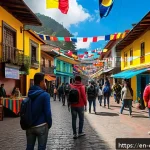
My first time strolling through the bustling streets of Medellín, I vividly recall being struck by the sheer individuality on display. It wasn’t the cookie-cutter, fast-fashion uniformity I’d grown accustomed to elsewhere.
Instead, I saw a celebration of local artisanal craftsmanship seamlessly blending with cutting-edge global trends, from sustainable practices to the bold, gender-fluid designs that are now dominating catwalks worldwide.
This fusion, I felt, represented something truly unique—a deep respect for heritage combined with an audacious leap into the future. What’s truly exciting is how local designers are leveraging digital platforms and even exploring metaverse fashion, turning traditional techniques into something utterly contemporary and globally appealing.
It’s a scene constantly evolving, pushing boundaries and redefining what ‘Colombian style’ truly means. Let’s dive deeper into what makes Colombian fashion truly unforgettable.
The Enduring Soul of Artisanal Craftsmanship
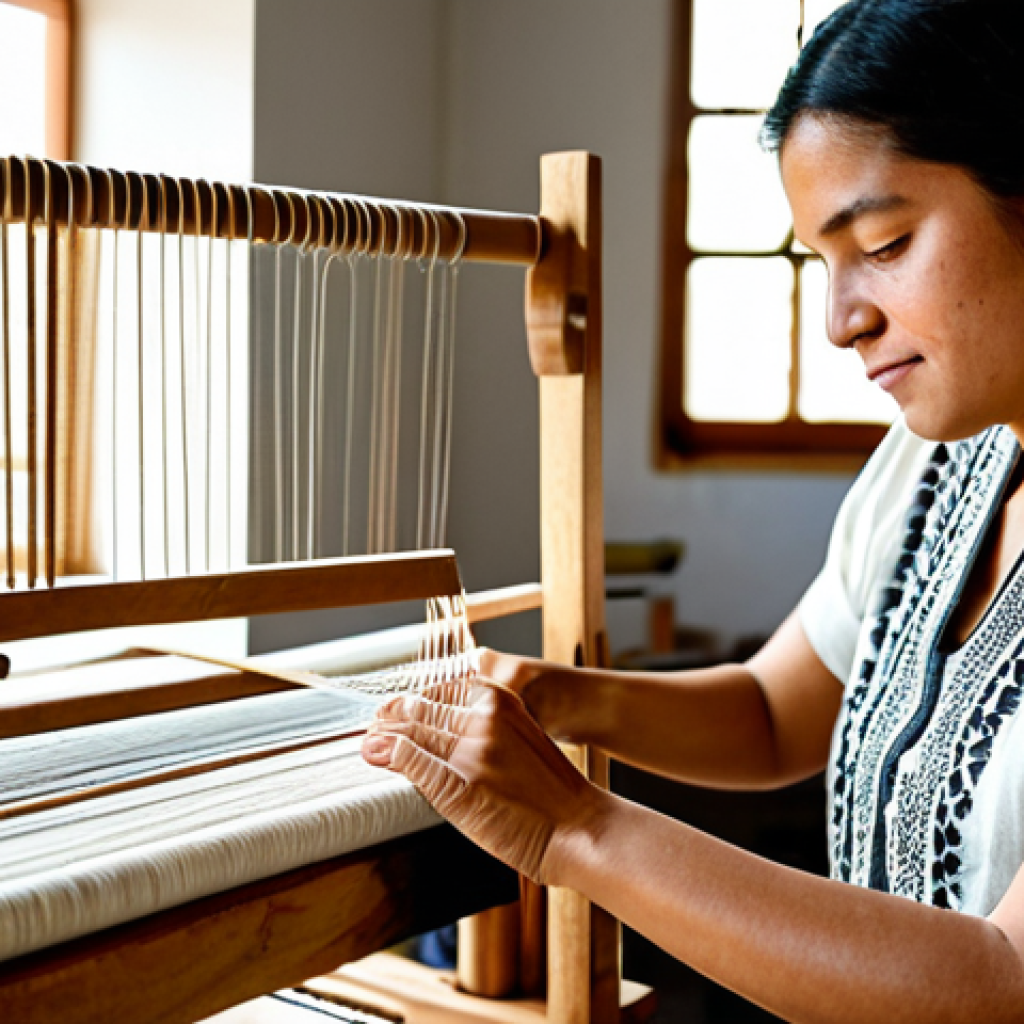
My journey into Colombian fashion truly began not on a designer runway, but in the small, sun-drenched workshops scattered across the country, where I saw artisans bringing centuries of tradition to life with their own hands.
It’s a magic you can almost feel, an energy that’s palpably different from the mass-produced items we often encounter. This isn’t just about preserving heritage; it’s about a dynamic evolution, where age-old techniques are being reinterpreted with a fiercely modern eye, creating pieces that tell a story not just of the past, but of a vibrant, living culture.
I remember picking up a mochila bag in La Guajira, feeling the intricate weave, and knowing each thread held generations of knowledge. This dedication to craft is, to me, the very bedrock of Colombian style, a commitment to quality and narrative that makes their fashion truly unique and deeply personal.
1. Weaving Narratives: From Mochilas to Modern Masterpieces
The iconic *mochila* bag, particularly those from the Wayuu and Arhuaca communities, isn’t merely an accessory; it’s a canvas of cultural identity, each pattern and color carrying profound meaning.
I’ve seen firsthand how these indigenous weaving traditions, passed down through generations, are now inspiring high-fashion collections. Designers like Mercedes Salazar, for instance, don’t just incorporate these elements; they collaborate directly with artisan communities, ensuring fair trade and a sustainable livelihood, while infusing contemporary silhouettes with this timeless artistry.
It’s a beautiful synergy, watching these woven stories transition from local markets to international boutiques, revered for their authenticity and the sheer human effort poured into every stitch.
This respectful integration elevates the entire fashion landscape, transforming what might be seen as ‘ethnic’ into genuinely global haute couture.
2. The Hand-Embroidered Revolution: Threads of Innovation
Beyond weaving, Colombian embroidery, often seen in delicate blouses and flowing dresses, represents another pinnacle of artisanal skill. I recall visiting a small studio in Bogotá where every stitch on a garment was a testament to patience and precision.
Designers are now taking these meticulous techniques and applying them to unexpected materials and contemporary designs, injecting a sense of bespoke luxury into ready-to-wear pieces.
This attention to detail, this insistence on the handmade, creates a distinctiveness that fast fashion simply cannot replicate. It’s not just about aesthetics; it’s about valuing the human touch, the time, and the individual skill embedded in each garment, making it more than just clothing – it becomes a wearable piece of art.
Sustainability as a Core Design Philosophy
If there’s one thing that truly impressed me about the Colombian fashion scene, it’s not just their vibrant aesthetics, but their deeply ingrained commitment to sustainability.
This isn’t a trendy buzzword here; it’s a fundamental operating principle, woven into the very fabric of how many designers approach their craft. From the moment I stepped into a studio that championed upcycling textiles gathered from local markets, I felt a profound sense of purpose in their work.
It goes beyond just ‘eco-friendly materials’; it’s a holistic approach encompassing ethical labor practices, minimal waste, and circular design. It felt like a natural extension of their cultural values, a respect for resources and communities that is genuinely inspiring and, frankly, something the global fashion industry desperately needs to emulate.
1. Circularity and Upcycling: A New Life for Materials
Colombian designers are at the forefront of the circular economy, transforming textile waste into coveted collections. Brands are actively sourcing deadstock fabrics, repurposing vintage garments, and even finding innovative ways to use natural dyes extracted from local plants.
My personal experience visiting a workshop where old denim was being meticulously deconstructed and reassembled into entirely new, high-fashion pieces was genuinely eye-opening.
It wasn’t just about reducing waste; it was about elevating it, giving these materials a second life that often results in unique, one-of-a-kind garments.
This creative ingenuity, coupled with a strong ethical backbone, is what makes their sustainable efforts so impactful and visually compelling.
2. Ethical Production and Community Empowerment
Beyond the materials, the human element of sustainability is paramount. Many Colombian brands prioritize fair wages, safe working conditions, and direct collaboration with artisan communities, especially women-led collectives.
I’ve observed how these partnerships not only ensure the preservation of traditional skills but also empower vulnerable communities, providing them with economic independence and a renewed sense of purpose.
This transparent and ethical supply chain, from the cotton farm to the finished garment, resonates deeply with conscious consumers who seek to understand the true cost behind their clothing.
It’s a powerful narrative of positive impact, making fashion a vehicle for social change, not just commercial gain.
Embracing Gender Fluidity and Bold Silhouettes
The dynamic landscape of Colombian fashion is constantly evolving, and one of the most exciting shifts I’ve witnessed firsthand is the enthusiastic embrace of gender fluidity and the daring exploration of unconventional silhouettes.
It’s a departure from rigid norms, a playful yet powerful statement that clothing should liberate, not restrict. I vividly recall seeing individuals on the streets of Medellín confidently sporting pieces that defied traditional gender lines – flowing tunics on men, sharply tailored suits on women, and an overall sense of personal expression that felt incredibly liberating.
This isn’t just about breaking rules; it’s about redefining elegance and pushing the boundaries of what is considered fashionable, reflecting a broader cultural move towards greater acceptance and individuality.
1. Redefining Masculinity and Femininity in Fabric
Colombian designers are challenging preconceived notions of how men and women should dress, creating collections that blur traditional lines. I’ve seen stunning menswear lines featuring soft draping and vibrant colors typically associated with womenswear, and vice versa.
It’s not just about unisex clothing; it’s about designs that allow individuals to express their multifaceted identities without conforming to societal expectations.
This fluidity is often expressed through relaxed fits, deconstructed elements, and fabrics that move and flow independently of the wearer’s gender, allowing personal comfort and style to take precedence over outdated classifications.
It speaks to a younger generation that values authenticity above all else.
2. Playful Proportions and Architectural Forms
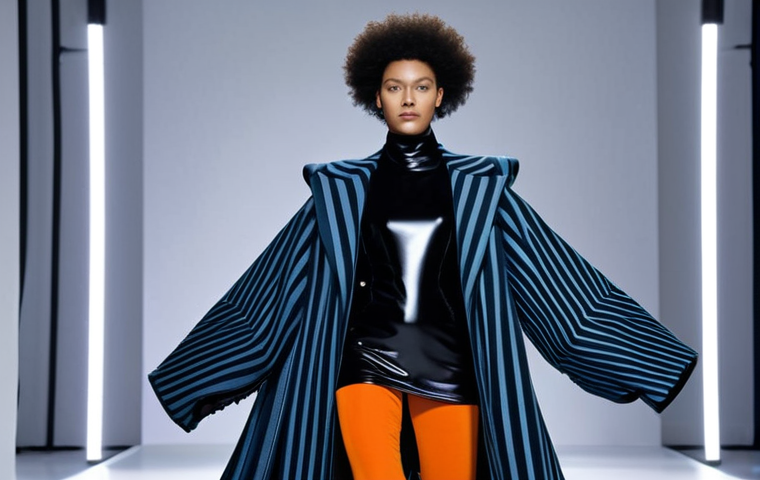
Beyond gender, Colombian designers are fearlessly experimenting with volume, asymmetry, and architectural shapes. I’ve marveled at garments that seemed to defy gravity, creating dramatic silhouettes with exaggerated sleeves, unexpected cut-outs, and multi-layered compositions.
This creative fearlessness results in visually striking pieces that stand out from the global fast-fashion uniformity. It reflects a cultural vibrancy that isn’t afraid to be seen, to be bold, and to celebrate unique proportions.
From oversized blazers to sculpted skirts, these designs aren’t just clothes; they’re wearable sculptures, pushing the boundaries of conventional beauty and inviting wearers to express themselves with uninhibited confidence.
The Digital Frontier: Metaverse and E-Commerce Integration
The Colombian fashion industry, far from being stuck in tradition, is remarkably agile and forward-thinking, especially when it comes to leveraging digital platforms.
It’s fascinating to see how local designers, even those rooted in artisanal crafts, are embracing e-commerce and even venturing into the metaverse. My personal observation has been that they understand that to compete globally, and to reach a wider audience beyond brick-and-mortar stores, a robust online presence is non-negotiable.
This isn’t just about having a website; it’s about creating immersive digital experiences, from virtual try-ons to engaging social media campaigns, that connect with consumers on a deeper, more interactive level.
It’s truly a testament to their innovative spirit and adaptability.
1. E-commerce as a Global Bridge
For many Colombian designers, e-commerce has been a game-changer, allowing them to bypass traditional retail barriers and directly reach international customers.
I’ve personally used online platforms to discover emerging brands that I would never have encountered otherwise. These platforms are often beautifully curated, showcasing the rich stories behind each garment, offering a virtual window into the artisanal process and the designer’s vision.
This direct-to-consumer model not only offers greater profit margins for the designers but also fosters a more intimate connection between creator and consumer, making every purchase feel like a personal discovery and a direct support of local talent.
2. Venturing into the Metaverse: Fashion’s Next Dimension
While still nascent, some pioneering Colombian brands are already exploring the metaverse, recognizing its potential for new forms of expression and commerce.
Imagine digital fashion shows, NFTs of unique designs, or even virtual storefronts where avatars can “wear” Colombian haute couture. I’ve been tracking a few designers who are experimenting with virtual garments, blurring the lines between physical and digital identity.
This innovative leap isn’t just about staying relevant; it’s about pushing the boundaries of what fashion can be, creating entirely new revenue streams and engaging a tech-savvy generation in unprecedented ways.
It’s an exciting, futuristic twist on a deeply rooted industry, proving that tradition and innovation can indeed coexist.
Key Elements Defining Colombian Fashion Trends
My time immersed in the Colombian fashion scene has revealed a tapestry of influences and characteristics that truly set it apart. It’s a unique blend, often contradictory yet always harmonious, reflecting the country’s diverse landscapes and vibrant culture.
What I’ve observed is a powerful interplay between the natural environment, the rich history, and a forward-looking perspective that refuses to be confined by labels.
This table, based on my experiences and observations, captures some of the core elements that define this captivating style.
| Element | Traditional Influence | Modern Interpretation | My Observation |
|---|---|---|---|
| Color Palette | Vibrant, bold, natural dyes from flora (indigo, cochineal) | Unexpected combinations, muted tones with pops of neon, monochromatic looks | A fearless use of color that feels both rooted and utterly contemporary, often reflecting the country’s lush landscapes. |
| Materials | Cotton, linen, local fibers (fique), leather, artisan weaves | Recycled fabrics, innovative synthetics, plant-based alternatives (e.g., pineapple leather), unexpected blends | A strong emphasis on texture and natural feel, increasingly driven by sustainable sourcing. |
| Silhouettes | Flowing, modest, traditional garments (ruanas, pollera) | Deconstructed, oversized, gender-fluid, architectural, tailored yet relaxed | A shift towards comfort and expressive forms that challenge conventional body shapes. |
| Craftsmanship | Hand-weaving, embroidery, macrame, beadwork | High-tech embellishments, 3D printing elements, integrated digital patterns | The human touch remains paramount, but technology is embraced as an enhancement, not a replacement. |
| Cultural Narrative | Indigenous symbolism, colonial influences, religious motifs | Social commentary, personal identity, environmental advocacy, global consciousness | Fashion as a powerful medium for storytelling and expressing complex socio-cultural themes. |
The Global Ascent: From Local Inspiration to International Recognition
It’s genuinely thrilling to witness Colombian fashion making such significant waves on the international stage. What started as local inspiration is now capturing the attention of global tastemakers, buyers, and consumers hungry for authenticity and innovation.
I’ve seen brands that were once small workshops now featured in prestigious fashion weeks and high-end boutiques across continents. This ascent isn’t just a fleeting trend; it’s the result of decades of dedication, creative resilience, and a distinctive aesthetic that truly resonates with a global audience looking for something beyond the typical fashion cycle.
It feels like a moment of true triumph for a country whose creativity has often been overlooked in the past.
1. ColombiaModa: A Platform for Global Visibility
ColombiaModa, held annually in Medellín, is more than just a trade show; it’s a pulsating hub where creativity, commerce, and culture converge. I’ve attended this event multiple times, and each year, I’m struck by its incredible energy and the sheer talent on display.
It acts as a vital bridge, connecting Colombian designers with international buyers, media, and investors. The sheer professionalism, combined with the unique aesthetic presented, positions Medellín as a burgeoning fashion capital, showcasing everything from swimwear to ready-to-wear and artisanal accessories.
It’s a testament to how a focused national effort can propel local talent onto the world stage, fostering both artistic growth and economic opportunity.
2. International Collaborations and Brand Expansion
Colombian designers are increasingly forging partnerships with international brands and retailers, expanding their reach far beyond Latin America. These collaborations often bring a fresh perspective to global fashion lines, infusing them with Colombian vibrancy, craftsmanship, and a commitment to ethical production.
I’ve personally seen how these strategic alliances not only introduce Colombian talent to new markets but also validate their unique vision on a grander scale.
It’s a powerful two-way street, where global brands gain access to unparalleled creativity and ethical supply chains, while Colombian designers achieve the international recognition they so rightly deserve.
This growing cross-cultural dialogue is enriching the entire global fashion ecosystem.
The Future is Bright: Innovation, Identity, and Impact
Looking ahead, I feel an undeniable sense of optimism for the trajectory of Colombian fashion. It’s a sector that embodies dynamism, constantly pushing boundaries while remaining deeply rooted in its rich cultural heritage.
What I’ve seen, from the bustling markets to the cutting-edge design studios, is a collective spirit of innovation and a fierce commitment to identity.
It’s not about mimicking global trends; it’s about leading with an authentic voice, creating designs that are not only beautiful but also meaningful and responsible.
This blend of artistry, ethical practice, and forward-thinking vision suggests a future where Colombian designers continue to shape global conversations around style, sustainability, and personal expression.
1. Nurturing Emerging Talent and Design Education
A crucial aspect of this bright future is the robust support for new designers and the emphasis on quality fashion education within Colombia. I’ve encountered incredible young talents graduating from local design schools, armed not only with technical skills but also with a deep understanding of sustainable practices and cultural preservation.
Incubator programs and government initiatives are also playing a significant role, providing mentorship and resources that help these emerging voices translate their creative visions into viable businesses.
This systematic nurturing of talent ensures a continuous pipeline of fresh ideas and maintains the industry’s vibrant, innovative edge for years to come.
2. Diversifying Markets and Embracing New Technologies
Colombian fashion isn’t content to rest on its laurels; it’s actively exploring new markets, both geographically and technologically. Beyond traditional retail, there’s a growing interest in direct-to-consumer models, pop-up experiences in diverse cities, and further integration of artificial intelligence for design, production, and personalization.
My recent observations suggest a strong move towards hyper-personalization, where technology allows for garments tailored precisely to individual preferences and body types.
This proactive embrace of diversification and new tech platforms signals an industry that is not just reacting to change but actively shaping its own future, ensuring its continued relevance and global impact.
Concluding Thoughts
My journey through the heart of Colombian fashion has been nothing short of inspiring, a vibrant tapestry woven with threads of deep tradition and bold innovation.
What truly stands out is not just the aesthetic beauty, but the profound stories each garment tells – of skilled hands, ethical choices, and a culture that dares to express itself with unwavering confidence.
It’s a testament to how creativity, when rooted in authenticity and a commitment to positive impact, can truly transcend borders. I’ve walked away with a renewed appreciation for clothing as a form of art, identity, and a powerful force for good in the world.
Useful Information for Your Exploration
1. Seek Out Artisan Markets: For truly authentic and experience-driven purchases, explore local artisan markets like those in Usaquén (Bogotá) or various *ferias* across the country. You’ll find direct connections to creators and often better prices.
2. Attend ColombiaModa: If you’re serious about Colombian fashion, try to plan your visit around ColombiaModa in Medellín (usually July). It’s the country’s biggest fashion event, offering incredible insights into emerging trends and designers.
3. Look for Ethical Certifications: Many brands proudly display their commitment to fair trade and sustainable practices. Don’t hesitate to ask about their production processes or look for labels that indicate ethical sourcing and community collaboration.
4. Embrace the Story: Colombian fashion pieces often come with rich narratives. Take the time to learn about the cultural significance behind patterns, materials, or techniques. It deepens your connection to the garment and supports cultural preservation.
5. Explore Beyond Clothing: The artisanal spirit extends beyond garments. Look for beautiful handcrafted accessories, jewelry, and home decor items that showcase the same dedication to craft and sustainable materials.
Key Takeaways
Colombian fashion is a unique blend of heritage and modernity, emphasizing artisanal craftsmanship, sustainable practices, and a progressive embrace of gender fluidity and bold silhouettes.
The industry is rapidly expanding its global reach through e-commerce and international collaborations, while actively nurturing new talent and integrating advanced technologies.
This dynamic approach positions Colombia as a significant player in the global fashion landscape, offering authentic, impactful, and innovative designs.
Frequently Asked Questions (FAQ) 📖
Q: How does Colombian fashion manage to blend its deep-rooted traditions with cutting-edge global trends so seamlessly?
A: From what I’ve personally observed, it’s less about a forced fusion and more like an organic conversation. When I first wandered through Medellín’s design districts, what struck me was how effortlessly designers incorporate ancestral techniques—think intricate weaving or vibrant hand-embroidery—into pieces that wouldn’t look out of place on a Paris or New York runway.
It’s not just slapping a traditional pattern onto a modern silhouette; it’s a thoughtful reinterpretation. They’re taking sustainable practices, which often have roots in indigenous wisdom, and applying them to contemporary gender-fluid designs.
It truly feels like they’re saying, “This is who we are, this is where we come from, and this is where we’re going.” That respect for heritage combined with an almost audacious willingness to experiment is what makes it feel so genuinely unique and not like some contrived commercial effort.
Q: What specific role are digital platforms and emerging technologies like the metaverse playing in the evolution of Colombian fashion?
A: It’s genuinely mind-blowing to witness this transformation firsthand. Designers who once might have only reached local boutiques are now, thanks to platforms like Instagram, TikTok, and direct-to-consumer websites, captivating a global audience.
I’ve seen small, independent Colombian labels use these digital spaces not just for sales, but for storytelling – sharing the intricate process behind their artisanal pieces, the history, the people.
And the metaverse? It’s early days, but the idea of traditional techniques being translated into digital garments, or fashion shows happening in virtual spaces, isn’t just a gimmick here; it’s seen as a new frontier for creativity and commercial reach.
It means they’re not limited by physical space or traditional fashion week calendars, truly pushing their unique vision to a worldwide stage in ways that were unimaginable even a decade ago.
Q: The text mentions a “rebellious spirit” in Colombian fashion. How is this defiance expressed in the actual designs and overall style scene?
A: When I think of that “rebellious spirit,” it’s not about shock value, but rather a quiet, confident defiance against uniformity. What I vividly remember from my initial experiences there was the sheer individuality.
People aren’t chasing the same fast-fashion trends; they’re curating their own look, often incorporating unique, locally made pieces. The rebellion manifests in the embrace of gender-fluid designs, challenging traditional norms of what men and women “should” wear.
It’s also evident in their commitment to sustainable practices—a bold stand against the environmental toll of global fast fashion. It’s a rebellion of identity, saying, “We are diverse, we are unique, and we will express ourselves authentically,” whether through a daring silhouette, an unexpected color combination, or a piece that carries the story of its maker.
📚 References
Wikipedia Encyclopedia
구글 검색 결과
구글 검색 결과
구글 검색 결과
구글 검색 결과
구글 검색 결과