
Colombia is an incredible country, full of vibrant culture and breathtaking sights, and getting around is a huge part of the adventure. I’ve personally explored quite a bit of it, and I know that navigating local transport, especially taxis, can feel a bit daunting at first.
While most rides are smooth and straightforward, it’s super important to be clued in on how to stay safe and savvy, especially for us travelers. From understanding fare etiquette to knowing which apps truly have your back, a little preparation goes a long way in ensuring your journeys are as carefree as your destination.
Trust me, I’ve learned a few vital tricks that will transform your taxi experiences from potentially stressful to simply sensational. Let’s dive deeper and make sure you’re perfectly prepared for your Colombian adventures!
Mastering Ride-Sharing Apps: Your Go-To for Stress-Free Travel

When I first ventured into Colombia, one of the biggest lessons I quickly learned was the sheer convenience and peace of mind that ride-sharing apps offer. Seriously, they became my absolute best friends on more occasions than I can count! Think of them as your personal safety net, especially when you’re still getting your bearings. Apps like Uber, Didi, and Cabify are widely available in major cities such as Bogotá, Medellín, and Cartagena, and using them is generally a breeze. The biggest perk for us travelers? The fare is agreed upon upfront, so there’s no haggling or worrying about being overcharged, which can be a real game-changer when you’re just trying to get from your hostel to that amazing street food stall. Plus, you get a clear record of your trip, including the driver’s details and the route taken, which is incredibly reassuring. I remember one time in Medellín, my Spanish was still a bit rusty, and trying to explain a complex address to a taxi driver felt like a scene from a comedy show. With an app, I simply popped in the destination, and off we went, no fuss, no drama. It just makes navigating a new city so much more relaxing, letting you focus on the incredible sights and sounds around you.
Why Ride-Sharing Apps are Your Best Friend
There’s something incredibly liberating about knowing exactly what you’ll pay before you even step into a car. My initial trips involved a lot of guesswork and a bit of anxiety about whether I was paying a “gringo” price, but with apps, those worries vanish. They offer transparent pricing and often give you a few service options, from economical to more premium, so you can pick what suits your budget and needs. Another huge advantage is the built-in GPS tracking. Not only does it help the driver find you and your destination effortlessly, but it also means someone knows where you are at all times. This feature alone is invaluable for solo travelers or late-night rides. I’ve personally used it to share my live location with friends, just for that extra layer of security and to let them know I’m on my way. It truly transforms the experience from potentially stressful to simply convenient and safe.
The Art of the Street Hail (When It’s Okay)
While I’m a huge advocate for ride-sharing apps, there are definitely times and places where hailing a taxi from the street is perfectly fine, and even common. In smaller towns or less touristy areas, apps might not have as many drivers, or sometimes, you just spot a cab when you least expect it and it’s the most convenient option. My rule of thumb, especially in bigger cities, is to only hail official yellow taxis. They should have clear company markings, a visible taxi number, and often a meter. Always check these details before you get in. I remember being in a rush in Cartagena and just grabbed a yellow cab. Before I closed the door, I made sure to confirm the destination and ask for an estimated fare. While they don’t always have meters in Cartagena, agreeing on a price beforehand is key. If you’re out and about during the day in a busy, well-lit area, grabbing a street taxi can be a quick and efficient way to get around, especially if you’re comfortable with a bit of Spanish and know the general fare for your route. Just remember to use your discretion and if anything feels off, politely decline and wait for another. Your gut feeling is usually right!
Deciphering the Fare Game and Avoiding Surprises
Understanding how fares work in Colombia can feel a bit like cracking a secret code at first, but once you get the hang of it, you’ll be navigating like a seasoned local. This is where my own trial and error came in handy, often involving some polite, yet firm, conversations with drivers. The key is knowing whether your ride is metered or if you need to agree on a price beforehand. This distinction is crucial and can save you from an awkward situation or, worse, an inflated fare. In many larger cities like Bogotá, official yellow taxis are supposed to use a meter (taxímetro). However, especially for tourists, drivers might sometimes try to quote a flat rate. This is where you need to be savvy. My advice? Always ask “con taxímetro?” (with the meter?) before getting in. If they say no or try to negotiate a price that seems too high, you have every right to wait for another taxi. I’ve definitely learned that a little bit of assertiveness, delivered kindly, goes a long way. It’s not about being confrontational, but about being informed and confident in what you should be paying. Having a rough idea of distances and typical costs for common routes, even if just by checking an app beforehand for a comparable fare, can give you a significant advantage.
Metered vs. Agreed Fares: Know the Difference
In cities like Bogotá, official taxis should operate with a meter, which calculates the fare based on distance and time. However, it’s not always as straightforward as a digital display showing pesos. Many meters still use a “ficha” system, where a number appears, and the driver then consults a laminated card (la tabla de valores) to convert that number into a peso amount. This can be confusing, especially if you don’t know what to look for. My trick here is to discreetly take a photo of the meter and the value card if I’m unsure, or simply ask the driver to show me the final price on the card once we arrive. For other cities, like Cartagena or smaller towns, fixed rates or negotiated fares are much more common, especially for popular routes or airport transfers. This is where agreeing on the price *before* you start moving is non-negotiable. I can’t stress this enough – never just get in and assume you’ll figure out the price at the end. That’s a recipe for a potentially frustrating experience. Always confirm, “Cuánto cuesta a [destination]?” (How much to [destination]?).
The Art of the Polite Negotiation
When you’re faced with an agreed-upon fare situation, don’t be afraid to politely negotiate, especially if the initial price seems exorbitant. This isn’t about being stingy; it’s about paying a fair price, which locals expect you to do. I’ve found a friendly smile and a simple “Es mucho para mí, ¿no podemos hacer [a slightly lower price]?” (That’s too much for me, can we do [a slightly lower price]?) can often work wonders. They might meet you halfway, or at least come down a bit. Knowing some common phrases in Spanish helps immensely here. Sometimes, if they’re unwilling to budge, you can always say “Gracias, voy a buscar otro” (Thanks, I’ll look for another) and genuinely start to walk away. More often than not, they’ll call you back with a better offer. It’s a bit of a dance, but it’s part of the travel experience here! Just make sure your proposed price is reasonable, not insultingly low, to maintain a good rapport.
Your Safety Checklist Before Hopping In
Safety, especially when you’re exploring a new country, is absolutely paramount. And when it comes to taxis, a little vigilance goes a very long way in ensuring your journey is smooth and secure. Before I even think about opening a taxi door, I’ve got a mental checklist running through my head. It’s not about being paranoid; it’s about being prepared and taking proactive steps to protect yourself. My own experiences, both good and slightly less good, have really drilled this into me. I recall one evening in Bogotá when I was a bit tired and almost jumped into a car that just didn’t feel right – it didn’t have the proper taxi markings. That split-second hesitation and decision to wait for an official one made all the difference. It’s about empowering yourself with information and trusting your instincts, which are often sharper than you think, especially when you’re in an unfamiliar environment. We want to enjoy our adventures, and part of that enjoyment comes from feeling secure in how we move around.
Verify the Vehicle and Driver Credentials
For street-hailed taxis, always look for the official yellow color and clear company logos or identification numbers. In many cities, official taxis will also have a unique vehicle number prominently displayed on the doors and sometimes inside. In Bogotá, for instance, you’ll often see a small green or white sticker on the windshield or dashboard with a QR code or an ID number you can verify via an app. My personal habit is to quickly glance at the driver’s ID card, which should be displayed inside the vehicle, to ensure the photo matches the driver. If you’re using an app, this step is even easier because the app provides the driver’s name, photo, and license plate number before they even arrive. Always, always confirm that the license plate number on the app matches the car pulling up. If it doesn’t, politely cancel and wait for the correct vehicle. This simple verification step is your first and most effective line of defense against potential issues.
Sharing Your Ride Details with Loved Ones
This is a habit I’ve adopted for almost all my taxi rides, especially at night or when traveling solo. Most ride-sharing apps have a “share trip” feature that allows you to send your real-time location and trip details (driver’s name, vehicle, estimated arrival) to a trusted contact. It’s a fantastic, easy-to-use safety net that offers incredible peace of mind for both you and your friends or family. Even if you’re hailing a street taxi, a quick text message to a friend saying, “Just got into a yellow taxi, license plate [plate number], heading to [destination],” can be a smart move. It doesn’t take much effort, but it provides a tangible record and allows someone else to know your whereabouts. I’ve found that even just knowing someone else has my ride details makes me feel more confident and less vulnerable, letting me relax and enjoy the journey rather than constantly looking over my shoulder.
More Than Just Taxis: Exploring Other Transport Gems
While taxis and ride-sharing apps are incredibly useful, Colombia offers a whole spectrum of transportation options that are worth exploring. Diversifying how you get around can not only save you money but also give you a much richer, more authentic local experience. Trust me, stepping out of your comfort zone and trying a different mode of transport can be one of the most memorable parts of your trip! I’ve personally hopped on countless buses, navigated busy metro systems, and even taken private cars for longer excursions, and each mode offered its own unique perspective on Colombian life. It’s all about matching the right transport to your specific needs and adventure level. Don’t limit yourself to just one way of getting from A to B; there’s a whole world of movement waiting for you to discover, each with its own rhythm and story. And let’s be honest, sometimes the journey itself is just as captivating as the destination.
Buses: The Ultimate Local Experience
Ah, the buses! They are truly the lifeblood of Colombian cities and a fantastic way to immerse yourself in local culture. While they might seem chaotic at first glance, they’re incredibly efficient and unbelievably cheap. In major cities, there are well-established bus routes, and often, you can use a rechargeable transit card (like the TuLlave card in Bogotá or Cívica in Medellín) to pay. Don’t be intimidated by the seemingly endless lines of colorful buses; often, locals are happy to point you in the right direction if you ask politely. My own experience taking a local bus from the historic center of Bogotá to the northern reaches of the city was an adventure in itself, watching daily life unfold outside the window and hearing the lively chatter of passengers. Just be prepared for potential crowds and keep a close eye on your belongings. For inter-city travel, long-distance buses are a comfortable and economical option, with many companies offering various classes of service, from basic to ejecutivo with reclining seats and onboard entertainment. It’s a great way to see the stunning Colombian landscape unfurl before your eyes.
Metro Systems: Fast and Efficient in Big Cities
When it comes to speed and efficiency, nothing beats a well-developed metro system, and Medellín’s Metro is a shining example. It’s not just a mode of transport; it’s a source of immense pride for the city and its people. Clean, modern, and incredibly easy to navigate, the Medellín Metro connects vast areas of the city, including its famous cable cars (metrocables) that offer breathtaking views as they ascend the hillsides. I absolutely loved zipping around Medellín on the metro; it was punctual, safe, and allowed me to cover a lot of ground quickly without dealing with traffic. Bogotá also has a TransMilenio system, which is a bus rapid transit (BRT) network that operates much like a metro on dedicated bus lanes. While it can be very crowded during peak hours, it’s an incredibly efficient way to traverse the city quickly. Learning how to use these systems, which usually involve purchasing a rechargeable card, is definitely worth your time for getting around major urban centers.
Smooth Journeys: Tackling Common Taxi Situations
Even with all the preparation in the world, traveling always throws a few curveballs, and taxi rides in Colombia are no exception. But don’t worry, these aren’t usually major roadblocks, just little quirks you learn to navigate with a bit of humor and patience. From minor misunderstandings due to language differences to realizing you’ve left something behind, I’ve been through it all, and I’ve learned that a calm approach and knowing a few key strategies can turn a potentially frustrating moment into a manageable one. It’s all part of the adventure, right? These are the moments that truly make you feel like a savvy traveler, adapting on the fly and coming out on top. Trust me, once you handle a minor taxi hiccup gracefully, you’ll feel like you can conquer anything Colombia throws your way!
Dealing with Language Gaps (Basic Phrases Help!)
Unless you’re fluent in Spanish, there will inevitably be moments where communication with a taxi driver feels like a game of charades. I’ve been there, pointing at maps on my phone and trying to pronounce street names with my best accent, only to get a blank stare. My biggest piece of advice here is to learn a few basic, crucial phrases. Knowing how to say “Please take me to…” (Por favor, llévame a…) and clearly stating your destination, maybe even having it written down or shown on a map, is incredibly helpful. Additionally, simple courtesies like “Hello” (Hola), “Thank you” (Gracias), and “Please” (Por favor) go a long way in establishing a friendly interaction. Sometimes, using a translation app on your phone can bridge the gap. I’ve even resorted to drawing simple pictures on my phone’s notepad, which usually elicits a chuckle and clarifies the message. Remember, most drivers are genuinely trying to help, and a little effort on your part makes the experience much smoother for everyone involved.
What to Do if You Forget Something
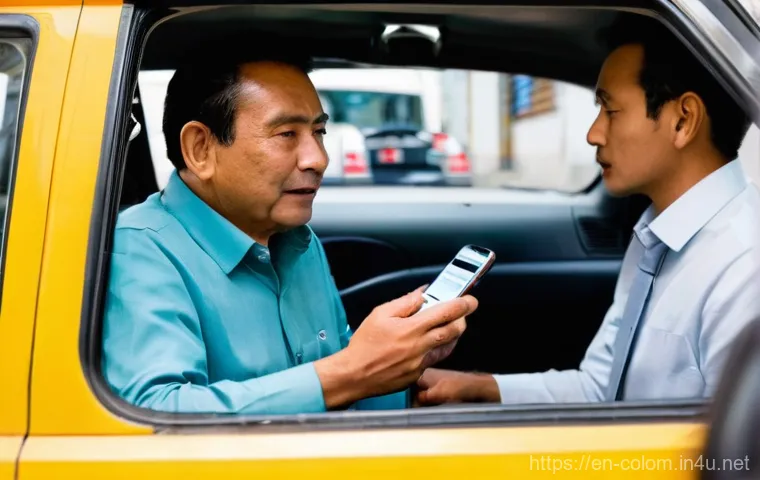
Oh, the dread of realizing you’ve left your phone or wallet in a taxi! It’s happened to me, and the panic is real. But don’t despair immediately. If you used a ride-sharing app, the process is much simpler. You can usually contact the driver directly through the app for a limited time after your ride. I’ve successfully retrieved a forgotten camera this way, and the relief was immense! The app provided the driver’s contact info, and we arranged a meetup. If you hailed a street taxi, it becomes a bit trickier, but not impossible. Try to remember the taxi’s number, the company name (if visible), or even a distinguishing feature of the driver or car. Immediately contact your hotel or a local friend; they might have connections or know the best local police station (policía) to report a lost item. While it’s always a gamble, acting quickly and providing as much detail as possible significantly increases your chances of recovery. This is another reason why keeping track of taxi details (like plate numbers) can be a smart habit.
Embracing Local Taxi Culture and Etiquette
Stepping into a taxi in Colombia isn’t just about getting from point A to point B; it’s often a little window into the local culture. Understanding the unwritten rules and expectations can really enhance your experience, making you feel less like a tourist and more like a savvy visitor. I’ve found that adopting a respectful and open attitude not only makes for more pleasant rides but also fosters a better connection with the drivers. They are, after all, some of the first local people you’ll interact with consistently. From how you approach the vehicle to how you end the journey, there are small nuances that can make a big difference. I remember my first few rides, I was so focused on the destination that I missed out on the opportunity to just observe and engage. Once I started paying attention, I realized these small interactions offered fascinating glimpses into Colombian life and customs.
Tipping: Is it Expected?
This is a common question for many travelers, and it varies quite a bit depending on where you are from. In Colombia, tipping taxi drivers isn’t generally a strong expectation, unlike in some other countries where it’s almost mandatory. However, rounding up the fare to the nearest thousand pesos (e.g., if the fare is COP 7,200, you might give COP 8,000 and tell them to keep the change) is a common courtesy if you’ve had good service, the driver was particularly helpful, or if they navigated a difficult route efficiently. For exceptional service, like helping with heavy luggage or going out of their way, a small extra tip is always appreciated but not required. I often round up or give a small extra if the driver was friendly, the car was clean, and the journey was smooth. It’s a nice way to show appreciation, especially if they went above and beyond, but don’t feel obligated to add a hefty percentage. Keep it modest and genuine.
Small Talk: A Glimpse into Local Life
Colombian taxi drivers, like many people you’ll meet in the country, are often friendly and open to a bit of small talk. Don’t be surprised if your driver initiates a conversation about where you’re from, what you think of Colombia, or even local current events. This can be a wonderful opportunity to practice your Spanish and gain some local insights. I’ve had some fascinating conversations, learning about everything from the best local restaurants to hidden gems off the beaten path, just by engaging in a little chat. Even if your Spanish is limited, a few simple phrases like “Hola, ¿cómo estás?” (Hello, how are you?) or “¡Qué linda ciudad!” (What a beautiful city!) can open the door to a friendly interaction. Of course, always gauge the driver’s receptiveness; some might prefer a quiet ride, and that’s perfectly fine too. But if they’re engaging, lean into it! It’s these small, personal connections that often make travel so much richer and more memorable.
| Feature | Ride-Sharing Apps (e.g., Uber, Didi) | Street-Hailed Taxis |
|---|---|---|
| Booking Method | Via smartphone app | Hail from street, taxi stand, or hotel concierge |
| Fare Calculation | Upfront estimate/fixed price in app | Metered (Bogotá), negotiated (other cities), or fixed route price |
| Payment Options | Credit card via app, sometimes cash option | Cash (COP) almost always, some may accept card (rare) |
| Safety Features | Driver/vehicle verification, GPS tracking, share trip option, customer support | Official markings, driver ID visible (should be checked), less digital tracking |
| Convenience | Door-to-door, no language barrier for destination | Readily available in high-traffic areas, faster for short, spontaneous trips |
| Ideal Use Case | Late night, unfamiliar areas, long distances, language barrier, safety priority | Daytime in busy areas, short distances, when apps have low availability |
Mastering the Art of Communication for Seamless Rides
Effective communication is the unsung hero of stress-free travel, especially when you’re relying on local transportation in a country where your native language might not be the primary one. It’s not just about getting your point across; it’s about building a respectful connection and ensuring that both you and your driver are on the same page. From my own adventures, I’ve learned that even a few key phrases can unlock a world of smoother interactions and prevent those awkward “lost in translation” moments. Think of it as equipping yourself with a linguistic toolkit that makes every ride feel a little more comfortable and a lot more enjoyable. It empowers you to navigate confidently, knowing that you have the basic means to express your needs and understand responses. This isn’t about becoming fluent overnight, but about being prepared with the essentials that make a tangible difference in your daily interactions.
Key Phrases Every Traveler Should Know
Having a few essential Spanish phrases up your sleeve will drastically improve your taxi experiences. Beyond just stating your destination, knowing how to ask about the fare is paramount. “Cuánto cuesta a [destination]?” (How much to [destination]?) or “Con taxímetro?” (With the meter?) are phrases you’ll use constantly. If you need to make a stop, “Una parada, por favor” (One stop, please) is super handy. For directional cues, “Gire a la derecha” (Turn right), “Gire a la izquierda” (Turn left), and “Siga derecho” (Go straight) can be lifesavers, especially if the GPS is playing tricks or you know a shortcut. And, of course, simple politeness goes a long way: “Hola,” “Gracias,” and “Por favor” are your constant companions. Don’t be afraid to try! Most Colombians appreciate the effort, even if your accent isn’t perfect. I’ve found that even butchering a phrase often results in a friendly smile and an attempt from the driver to help you understand. It’s truly a rewarding experience to connect, however briefly, through language.
Using Translation Apps on the Go
Even with a few key phrases memorized, there will inevitably be moments when you need more than basic communication. This is where a reliable translation app on your smartphone becomes an invaluable travel companion. Apps like Google Translate or DeepL offer instant translation, often with a voice function that allows you to speak into your phone and have it play the translation aloud, or vice versa for understanding the driver’s response. I’ve used these apps countless times to clarify addresses, explain specific requests (like needing an ATM stop), or even just to chat about something interesting we passed by. Just be sure to download offline language packs if you plan on using them in areas with spotty internet coverage, which can happen outside of major city centers. Having this digital safety net means you can feel confident tackling more complex interactions, ensuring your journey is understood and your needs are met, even when your Spanish skills are still developing. It truly bridges the communication gap effortlessly.
Wrapping Things Up
So there you have it, my friends! Navigating transportation in a vibrant country like Colombia truly becomes a breeze once you’re armed with a little knowledge and a dash of local savvy. My hope is that sharing these insights, gleaned from my own countless rides and adventures, helps you feel confident and excited about exploring every corner of this incredible nation. From the seamless convenience of ride-sharing apps to the authentic buzz of local buses, each journey offers a unique story and a chance to connect with the rhythm of Colombian life. Remember, travel is all about embracing the unexpected, but a little preparation goes a long way in turning those potential hiccups into memorable anecdotes. Keep exploring, stay curious, and most importantly, enjoy every single mile!
Handy Tips You’ll Be Glad You Knew
1. Always have small denominations of Colombian Pesos (COP) on hand. While ride-sharing apps often offer in-app payments, cash is king for street-hailed taxis and local buses, and drivers may not always have change for large bills. I’ve learned this the hard way more than once, scrambling to find a corner store to break a COP 50,000 note!
2. Download a reliable offline map and a translation app before you arrive. Google Maps is great, but having an app like Maps.Me for offline use can be a lifesaver when data is spotty. Similarly, Google Translate with downloaded Spanish packs can bridge communication gaps with drivers who don’t speak English.
3. Utilize the “share trip” feature on ride-sharing apps for an extra layer of safety, especially during solo or late-night travel. Sharing your real-time location with a trusted contact gives you peace of mind and provides a record of your journey.
4. Don’t be afraid to politely negotiate or confirm fares upfront, especially for street taxis outside of major metered cities. A friendly “Cuánto cuesta a [destination]?” before you get in can prevent misunderstandings and ensure you’re paying a fair price. It’s a common cultural practice and shows you’re a savvy traveler!
5. Embrace local public transport like Medellín’s Metro or Bogotá’s TransMilenio during off-peak hours for an authentic experience and significant savings. Purchase a rechargeable card (TuLlave for Bogotá, Cívica for Medellín) for seamless travel and lower fares. These systems are efficient, but can get very crowded during rush hour.
Key Takeaways for a Smooth Journey
Prioritize Safety and Verification
My number one piece of advice, reinforced by years of travel, is to always put safety first. When opting for ride-sharing apps like Uber, DiDi, or inDrive, make it a habit to cross-reference the driver’s name, photo, and license plate with what the app provides before you even open the door. It’s a quick check that adds immense security. For street-hailed taxis, stick to official yellow cabs with visible company markings and driver IDs, especially in major cities like Bogotá. Trusting your gut feeling is crucial; if a ride doesn’t feel right, politely decline and wait for another. Don’t hesitate to use the in-app safety features, like sharing your trip status with loved ones, which can be an absolute game-changer for peace of mind.
Understand the Fare Landscape
Cracking the fare code in Colombia doesn’t have to be daunting. Ride-sharing apps provide upfront pricing, eliminating any guesswork, which I personally find incredibly reassuring. For traditional taxis, remember the key distinction: metered fares in cities like Bogotá (where you should always insist on the taxímetro) versus negotiated fares in places like Cartagena. Having a rough idea of what a reasonable fare should be for common routes, perhaps by checking a ride-sharing app for an estimate, can give you confidence in negotiations. And while tipping taxi drivers isn’t strictly customary in Colombia, rounding up the fare or offering a small amount for exceptional service is always a kind gesture and much appreciated.
Embrace Local Alternatives for Richer Experiences
While the convenience of a door-to-door car ride is undeniable, don’t shy away from Colombia’s extensive public transportation network. Systems like the Medellín Metro are a source of local pride – clean, efficient, and offering incredible views, especially from the Metrocable lines. Bogotá’s TransMilenio, though often crowded, is a rapid way to traverse the city. Using these systems not only saves money but also provides a more authentic glimpse into daily Colombian life. It’s an opportunity to immerse yourself, practice a little Spanish, and discover the city from a different perspective. Just be mindful of peak hours and always keep an eye on your belongings in crowded areas, as you would in any bustling urban center.
Frequently Asked Questions (FAQ) 📖
Q: So, when I’m out and about in Colombia, how can I be sure the taxi I’m getting into is safe and legitimate, especially if I’m just flagging one down?
A: Oh, this is such a common and totally valid concern, and one I’ve definitely navigated myself! When you’re in a bustling city like Bogotá or Medellín, you’ll see plenty of yellow taxis.
The number one rule of thumb, which I learned pretty quickly, is to always look for official, registered taxis. These usually have visible company logos, a taxi number on the side, and often a visible driver ID inside.
In bigger cities, especially after dark, I personally lean towards using ride-hailing apps like Uber, Didi, or Cabify (more on those in a sec!) because they track your ride and driver information, which gives me an extra layer of comfort.
If I do need to hail one, I try to do it in well-lit, busy areas, and if possible, I’ll ask my hotel or a restaurant to call one for me. They usually have trusted local services they work with.
I remember one time, I was a bit rushed and jumped into a taxi that just felt off – no meter, the driver seemed a bit shifty – and ever since then, I’ve been super diligent.
Trust your gut, always. If it doesn’t feel right, it probably isn’t, and it’s totally okay to politely decline and wait for the next one.
Q: Fares can be tricky anywhere new! How do I handle taxi fares in Colombia to make sure I’m not getting ripped off, and should I negotiate prices?
A: You are so right, understanding fares is key to a stress-free ride! This is where local knowledge really comes in handy. In some cities, especially Bogotá, taxis are supposed to use a meter, and you’ll often see a price chart (tarjeta de tarifas) inside explaining how the meter numbers translate to pesos.
However, in smaller towns or for longer journeys, and sometimes even in bigger cities for specific routes like to/from the airport, drivers might try to agree on a price upfront.
My best advice? Always, always clarify the price before you get in, especially if there’s no visible meter. If they quote a price, don’t be afraid to politely negotiate a little, or at least confirm it clearly.
A super helpful trick I use is to ask a local (like a hotel receptionist or a shop owner) what a reasonable fare should be for my destination before I even step out.
And again, this is where ride-hailing apps shine, because they give you an estimated or fixed price upfront, so there are no surprises. I recall one time in Cartagena, I just hopped in, assuming a meter, and ended up paying a bit more than I should have for a short ride.
Live and learn, right? Now, I’m always prepared with a rough idea of the cost!
Q: Speaking of apps, should I stick to traditional taxis, or are ride-sharing apps like Uber widely used and a better option in Colombia?
A: Oh, this is a fantastic question and one that honestly sparks a lot of conversation among travelers! From my own experience, it’s not really an “either/or” situation; it’s more about knowing when to use which.
Ride-sharing apps like Uber, Didi, and Cabify are incredibly popular and widely used in major Colombian cities like Bogotá, Medellín, and Cali. Their biggest advantages, in my opinion, are the upfront pricing (no more guessing about fares!), the GPS tracking, and the fact that your driver’s details are recorded, which adds a huge layer of safety and accountability.
I personally rely heavily on them, especially late at night or when I’m in an unfamiliar neighborhood, because it just feels more secure. However, it’s worth noting that while these apps are commonly used, their legal status can be a bit of a gray area, which means some drivers might ask you to sit in the front seat or keep a low profile.
Traditional yellow taxis, on the other hand, are absolutely everywhere, often more readily available on the street, and for short hops, they can be super convenient.
They also sometimes know the shortcuts only a local would. My personal strategy is to have both options on my phone. I use the apps for peace of mind on longer or more sensitive trips, and I’ll grab a yellow taxi for a quick, visible dash across town during the day.
Having that flexibility has saved me so much hassle and stress!