Colombia is truly a country that captures your heart, from its bustling cities to its serene coffee regions. And while you’re busy soaking in all that vibrant energy, it’s super important to also keep an eye on your financial safety.
Believe me, nobody wants their incredible Colombian adventure to be overshadowed by a nasty encounter with financial fraud, right? These days, scammers are getting incredibly sophisticated, constantly dreaming up new ways to target both locals and visitors alike, from clever digital traps to the more traditional, yet still effective, in-person cons.
It can feel overwhelming trying to keep up, especially when you’re just trying to enjoy the moment or manage your daily life. Knowing what to look out for, based on real experiences and the latest insights, is absolutely your strongest shield against these often-hidden threats.
Let’s dive deeper into exactly what you need to know to stay completely secure.
Embracing the Colombian Vibe: Smart Money Habits for Travelers and Residents

Cash is King, but Cards are Convenient: Striking a Balance
When I first arrived in Colombia, I quickly realized that while credit cards are widely accepted in bigger cities and established businesses, cash, or *efectivo*, is still king, especially for smaller purchases, local markets, and public transportation.
It’s a delicate balance, really. You don’t want to carry around huge wads of cash, making yourself an obvious target, but relying solely on cards can leave you stranded when you’re trying to grab a delicious *arepa* from a street vendor or pay for a short taxi ride.
My personal strategy has always been to carry a moderate amount of Colombian pesos – enough for a day’s worth of smaller expenses – and keep the rest securely stored or rely on my card for larger transactions.
I’ve found that having a mix gives me flexibility without compromising safety. Plus, it’s always a good idea to have smaller denominations on hand; trying to pay for a $5,000 COP coffee with a $50,000 COP bill can sometimes be a hassle, and you might even run into situations where vendors claim they don’t have change, which can occasionally be a subtle way to overcharge.
Always try to break larger bills at supermarkets or established stores before needing them for smaller buys. It’s these little insights, born from experience, that truly make a difference in navigating the local financial landscape smoothly.
The Power of Plastic: Choosing Wisely and Protecting Your Details
Using credit and debit cards is super convenient, but it comes with its own set of considerations. I always recommend using a credit card over a debit card for major purchases whenever possible, simply because credit cards generally offer better fraud protection.
If something goes wrong, it’s often easier to dispute a charge on a credit card without your actual bank account funds being immediately affected. When I’m paying with a card, I make it a point to never let my card out of my sight.
I’ve seen some pretty slick moves over the years, and a quick swipe through a skimming device is easier than you might think. Always watch the transaction, make sure the amount is correct before you approve it, and be wary of anyone who tries to distract you during the process.
I also recommend having travel notifications set up with your bank if you’re visiting, and keep an eye on your banking app for real-time transaction alerts.
It’s like having a little financial guardian angel on your phone, constantly checking in. And please, please, please, avoid using public Wi-Fi for any sensitive financial transactions.
A secure, private connection is non-negotiable for online banking or shopping.
Guarding Your Digital Footprint: Online and Mobile Security Essentials
Spotting Phishing Attempts and Sneaky Scams
Oh, the internet! A fantastic tool, but also a playground for scammers. I’ve personally received some incredibly convincing phishing emails and text messages here in Colombia, sometimes even appearing to come from reputable banks or government agencies.
They often play on urgency or fear, claiming your account is locked, or that you owe money, or that there’s an incredible prize waiting for you. My golden rule: *always* be skeptical.
Banks will never ask for your password or full card details via email or text. If you get a suspicious message, do not click any links. Instead, go directly to the official website of the organization (by typing the URL yourself) or call their official customer service number to verify.
I remember one time, I almost fell for a text message supposedly from my cell provider saying my service would be cut off if I didn’t update my payment info.
It looked so real! But a quick check of the official website confirmed it was a fake. Trust your gut; if it feels off, it probably is.
Secure Wi-Fi and App Awareness: Your Digital Shield
Public Wi-Fi networks in cafes, airports, and hotels are incredibly convenient, but they’re often not very secure. I learned this the hard way years ago when traveling; I was using public Wi-Fi to check my bank account, and later had a small fraudulent charge.
It was a wake-up call! Now, I always use a Virtual Private Network (VPN) when connecting to any public Wi-Fi network. It encrypts your internet traffic, adding a crucial layer of security.
Furthermore, be super careful about what apps you download. Stick to official app stores (Google Play Store, Apple App Store) and always check reviews and permissions before installing.
Many malicious apps masquerade as legitimate ones, eager to snatch your personal data or even plant malware. I also make it a habit to regularly review the permissions I’ve granted to apps on my phone.
Sometimes an app I downloaded for fun doesn’t really need access to my contacts or microphone, and removing those unnecessary permissions adds a little extra peace of mind.
ATM Etiquette and Street Smarts: Accessing Cash Safely
Choosing Your ATM Wisely: Location, Location, Location!
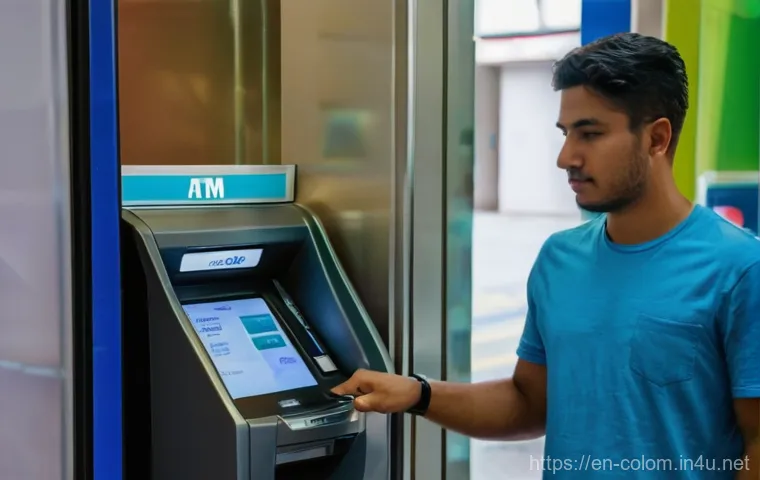
Withdrawing cash from an ATM is something many of us do without a second thought back home, but in Colombia, it truly pays to be more mindful. I’ve always made it a point to use ATMs located inside bank branches during business hours, or in well-lit, secure areas like shopping malls or large, reputable supermarkets.
These locations are generally monitored by security cameras and often have security guards nearby, making them far less appealing targets for opportunistic criminals.
I absolutely avoid standalone ATMs on dark streets or in isolated areas, especially at night. It might seem obvious, but when you’re tired or in a hurry, it’s easy to overlook these details.
Another tip I picked up is to look for ATMs that are well-maintained; if a machine looks tampered with or has unusual attachments, it’s a huge red flag for a potential skimming device.
Trust your instincts; if an ATM doesn’t feel right, move on. There’s always another one.
Your Withdrawal Ritual: Protecting Your Transaction
Before I even approach an ATM, I do a quick scan of my surroundings. Are there any suspicious loiterers? Is anyone paying undue attention?
If I feel even a tiny bit uncomfortable, I’ll find another machine. Once at the ATM, my ritual begins: I always cover the keypad with my free hand while entering my PIN.
This isn’t just paranoia; it’s a simple, effective way to thwart shoulder-surfers or hidden cameras. After the transaction, I quickly pocket my card and cash before counting it.
Walking away from the machine with cash in hand or still fumbling with your wallet can make you an easy target. I also try to make fewer, larger withdrawals rather than many small ones, minimizing my exposure at ATMs.
It’s a small habit, but cumulatively, these practices significantly reduce risk. I personally feel much safer and more in control when I follow these steps, and it really does become second nature after a while.
Bargains and Bluffs: Staying Savvy in Everyday Transactions
The Art of the Exchange Rate: Avoiding Shady Deals
When you’re dealing with different currencies, it’s easy to get confused or misled, and sadly, some unscrupulous individuals take advantage of that. I’ve had experiences where informal money changers offer “better” rates on the street, or vendors try to convert prices from USD to COP with an unfavorable exchange rate.
My advice? Always use official exchange houses (*casas de cambio*) or banks for currency exchange. You might not get the absolute *best* rate, but you’ll get a legitimate one, and more importantly, you’ll avoid counterfeit money or outright scams.
I always check the current official exchange rate on my phone before making any significant purchases or exchanges. Knowledge is power, and knowing the actual rate helps you recognize if someone is trying to pull a fast one.
It saves you from that sinking feeling of realizing you’ve been short-changed or worse, given fake bills.
Taxi Tales and Ride-Sharing Rules: Getting Around Securely
Getting around in Colombia often involves taxis or ride-sharing apps, and this is another area where a little vigilance goes a long way. When I hailed a street taxi once, the driver tried to charge me an exorbitant “tourist” rate.
Lesson learned! Now, I almost exclusively use ride-sharing apps like Uber or Didi. They offer GPS tracking, fare estimation upfront, and cashless payment, which adds a huge layer of security and transparency.
If I absolutely have to take a street taxi, especially in a city like Bogotá where informal taxis are more common, I make sure it’s a licensed yellow cab, and I try to negotiate the fare *before* getting in, especially for longer distances.
I also send a quick message to a friend with the license plate number if I feel uncomfortable. It’s about being proactive, not paranoid. I’ve found that these small actions significantly enhance my peace of mind while exploring.
| Scam Type | Description | Prevention Tip |
|---|---|---|
| Phishing/Smishing | Emails or texts pretending to be banks or government, asking for personal details. | Never click links in suspicious messages. Verify directly with the organization. |
| ATM Skimming | Devices illegally installed on ATMs to steal card data. | Use ATMs in secure, well-lit areas. Inspect machine for tampering. Cover keypad. |
| Counterfeit Currency | Receiving fake banknotes in change or during exchange. | Exchange money only at official *casas de cambio* or banks. Learn to recognize genuine bills. |
| “Paseo Millonario” (Millionaire’s Ride) | Express kidnapping often involving unregistered taxis, where victims are forced to withdraw money. | Use ride-sharing apps or authorized taxi services. Avoid hailing street taxis, especially at night. |
| Card Swapping | Distracting victims to swap their real card for a fake one during a transaction. | Never let your card out of sight. Be attentive during transactions. |
The Human Element: Trusting Your Gut and Being Aware of Your Surroundings
The Kindness of Strangers: When to Be Wary
Colombians are incredibly warm and hospitable people, and their friendliness is one of the things I absolutely adore about the country. However, sadly, this genuine warmth can sometimes be mimicked by those with ill intentions.
I’ve learned that while it’s wonderful to engage with locals, it’s also crucial to maintain a healthy sense of awareness, especially when financial matters are involved.
Be cautious of overly friendly strangers who offer unsolicited help with ATMs, or want to “show you” a better exchange rate, or even try to engage you in lengthy conversations that lead to asking for money.
While most people are genuinely kind, a few bad apples can ruin the experience. My personal rule of thumb is to always politely decline unsolicited financial “help” and to keep personal conversations light and general, especially with new acquaintances in public settings.
It’s not about being cynical, it’s about being street smart and protecting yourself.
Situational Awareness: Your Best Defense
This might sound cliché, but honestly, being aware of your surroundings is your absolute best defense against most petty crimes and financial scams. This means not walking around engrossed in your phone, especially in crowded areas.
It means being mindful of your bag or backpack, ensuring it’s closed and secure. I’ve personally witnessed tourists who were so focused on taking photos that they completely missed someone trying to unzipper their bag.
When I’m out and about, I make it a habit to periodically scan my environment, checking who’s around me and if anyone seems to be paying too much attention.
This isn’t about living in fear; it’s about proactive vigilance. It allows you to anticipate potential issues and react before something even happens.
After living here for a while, it just becomes second nature, like checking both ways before crossing the street. It’s a vital part of feeling truly comfortable and safe in a new environment.
Unforeseen Circumstances: What to Do If the Worst Happens
Immediate Action: Reporting and Blocking
No one ever *wants* to think about it, but knowing what to do if you become a victim of financial fraud is absolutely crucial. I always have a plan in place, just in case.
The very first thing to do, immediately, is to contact your bank or credit card company to report the fraudulent activity and block your cards. This minimizes further damage.
I keep a list of emergency contact numbers for my banks, stored securely but easily accessible (not just on my phone, in case it’s stolen!). Many banks also have excellent mobile apps where you can freeze your cards instantly.
Next, if it was a physical theft or a major scam, file a police report (*denuncia*) with the local authorities. While sometimes it might feel like a lengthy process, it’s essential for insurance claims and also helps authorities track criminal patterns.
I remember a friend who had their wallet stolen; reporting it quickly saved them from much larger fraudulent charges.
Learning and Moving Forward: Resilience is Key
It’s incredibly disheartening when you experience any form of financial mishap or fraud, and it’s completely normal to feel frustrated or even angry. I’ve been there, albeit with minor incidents, and that initial feeling of violation is rough.
However, what’s most important is to learn from the experience and not let it overshadow your entire perception of Colombia or deter you from continuing your journey.
After any incident, I always take a moment to reflect: what could I have done differently? Were there any red flags I missed? This isn’t about blaming myself, but about refining my safety strategies for the future.
The resilience and warmth of the Colombian people themselves have actually taught me a lot about moving forward. Remember, these incidents, while unfortunate, are often isolated.
By taking proper precautions and knowing how to react, you significantly reduce your vulnerability and can continue to enjoy everything this incredible country has to offer.
Closing Thoughts
Venturing into a new country, especially one as vibrant and dynamic as Colombia, is an exhilarating experience, and managing your finances wisely is a cornerstone of making that journey smooth and enjoyable. It’s not about living in fear, but rather about empowering yourself with knowledge and simple precautions that truly make a world of difference. My hope is that by sharing these insights, you feel more confident and prepared to embrace all the incredible experiences Colombia has to offer, without the added stress of financial worries. Remember, every trip, every interaction, and every carefully planned step adds to the rich tapestry of your adventure.
Useful Information to Know
1. Always carry a mix of smaller Colombian peso denominations. While larger bills are great for big purchases, you’ll find yourself needing 1,000, 2,000, 5,000, and 10,000 COP notes constantly for street food, bus fares, and small shops. Trying to pay for a quick snack with a 50,000 COP bill can sometimes be a challenge, and it’s always better to avoid situations where vendors might claim they don’t have change, which can occasionally lead to an unintentional overcharge. Breaking larger bills at a supermarket or a large, established store before you head out for the day is a smart move that has saved me many minor headaches and kept my transactions smooth and quick.
2. Consider purchasing travel insurance before your trip. While we always hope for the best, having a safety net for unforeseen circumstances like medical emergencies, travel delays, or even theft can provide immense peace of mind. I’ve heard too many stories of travelers facing unexpected costs that could have been mitigated by a comprehensive insurance plan. Make sure you understand what your policy covers, especially concerning electronics, cash, and medical treatment abroad. It’s an investment in your well-being and allows you to truly relax and immerse yourself in the experience without constant worry about potential financial fallout from an unfortunate incident.
3. Learn a few basic Spanish phrases related to money and directions. Even if your Spanish isn’t fluent, knowing how to ask “Cuánto cuesta?” (How much does it cost?), “La cuenta, por favor” (The bill, please), or “Dónde está el baño?” (Where is the bathroom?) can significantly improve your daily interactions. Being able to communicate even minimally shows respect for the local culture and can often help you negotiate prices, understand directions more clearly, and avoid misunderstandings. Colombians generally appreciate the effort, and a little communication goes a long way in navigating local markets, ordering food, and just getting by with a smile. Plus, it’s a fun way to engage with the local community!
4. Inform your bank of your travel plans. Before you leave, a quick call or online notification to your bank and credit card companies about your travel dates and destinations can prevent your cards from being flagged for suspicious activity and potentially frozen. There’s nothing worse than trying to pay for something only to have your card declined because your bank thought it was fraud. I make it a habit to do this a week or two before any international trip, and it has saved me from awkward situations at payment terminals. It’s a simple step that ensures uninterrupted access to your funds when you need them most, allowing for a stress-free financial experience abroad.
5. Always keep an eye on your bank and credit card statements, even when you’re traveling. With mobile banking apps, it’s easier than ever to monitor your transactions in real-time. I make it a habit to quickly review my spending every couple of days. This way, if any unauthorized or fraudulent charges appear, I can spot them immediately and report them to my bank without delay. Quick action is key in mitigating potential financial losses. This proactive approach has given me immense peace of mind, knowing that I’m on top of my financial security and can react swiftly to any red flags, which is crucial when you’re in an unfamiliar environment.
Key Takeaways
Navigating the financial landscape in Colombia is all about striking a smart balance between convenience and caution. My journey here has taught me that while technology offers incredible ease for transactions, a healthy respect for cash, especially in local settings, is indispensable. Always prioritize secure environments for your banking – think well-lit, busy ATMs inside banks, and steer clear of public Wi-Fi for sensitive data. Your vigilance in watching transactions, covering your PIN, and choosing reputable services like ride-sharing apps over unknown street taxis are not just recommendations; they’re battle-tested strategies that truly protect your hard-earned money and peace of mind. Moreover, recognizing that the vast majority of Colombians are genuinely kind and helpful, but still maintaining a polite awareness of your surroundings, is key. It’s about being prepared for any scenario, from spotting a phishing attempt to knowing exactly what to do if your card is compromised. These aren’t just tips; they’re habits that, once integrated, will allow you to fully immerse yourself in the vibrant culture and breathtaking beauty of Colombia, knowing your financial well-being is secure. Embrace the adventure, stay savvy, and let the wonders of this incredible country unfold!
Frequently Asked Questions (FAQ) 📖
Q: What are the most common financial scams targeting visitors in Colombia, and how can I really protect my money?
A: Oh, this is such a crucial question, and honestly, it’s one I get asked a lot! From my own experiences and what I’ve heard from fellow travelers, two of the big ones you absolutely need to be aware of are ATM skimming and pickpocketing.
I remember one time, I was about to use an ATM in a busy part of Bogotá, and something just felt off. Always trust your gut! My advice is to stick to ATMs located inside banks during banking hours or those in well-lit, secure shopping malls.
Before you even insert your card, give the card slot and keypad a quick wiggle and check – if anything feels loose or looks out of place, walk away. Seriously, it’s not worth the risk.
When it comes to cash, never, ever flash large sums. I usually carry just enough for what I need for the day and keep the rest in a secure money belt or a hidden pocket.
In crowded areas, especially markets or public transport, I always keep my backpack or purse in front of me, close to my body. It sounds a bit paranoid, but believe me, a little vigilance goes a long way in ensuring your fantastic Colombian adventure isn’t tarnished by a financial setback.
Q: Digital scams seem to be everywhere these days. What are some specific online or digital threats I should be mindful of in Colombia, and how do I avoid them?
A: You are so right to bring this up! Scammers are incredibly clever, and their digital tricks are getting more sophisticated. I’ve personally seen or heard about several types that are prevalent.
First off, be super cautious about public Wi-Fi. While it’s tempting to hop on free Wi-Fi at cafes or airports, sometimes these can be set up by fraudsters to snoop on your data.
If you absolutely need to use public Wi-Fi, avoid doing anything sensitive like online banking or making purchases. I always use a VPN (Virtual Private Network) when I’m on public Wi-Fi, and honestly, it’s been a lifesaver.
Another big one is phishing scams – those pesky emails or texts that look like they’re from your bank, a well-known airline, or even a government agency, trying to trick you into giving up your personal details.
I received one that looked exactly like a popular airline’s email, asking me to “verify” my booking, but the link was clearly suspicious. Always double-check the sender’s email address and if it looks off, just delete it.
When in doubt, go directly to the official website or app instead of clicking any links. My personal rule of thumb is: if it feels too urgent, too good to be true, or just a little bit ‘off,’ it probably is.
Q: When I’m out and about in Colombia, how can I ensure I’m financially safe, especially concerning transportation and social interactions?
A: This is where things can get a bit more nuanced, but with a few smart moves, you can stay incredibly safe! Regarding transportation, particularly taxis, I cannot stress this enough: always use ride-sharing apps like Uber, Didi, or Cabify, or call a reputable taxi service through your hotel or a trusted local.
Never hail a taxi directly from the street, especially at night. I’ve heard too many stories of “express kidnappings” or overcharging from unofficial cabs.
When using an app, always confirm the driver’s name, license plate, and car model match what’s displayed on your screen before getting in. Once, my driver looked different from the photo, so I politely declined the ride and waited for the next one – better safe than sorry!
In social settings, like bars or clubs, be super careful with your drinks. Unfortunately, “chupones” – drinks spiked with sedatives – are a real threat.
Never leave your drink unattended, and if someone offers you a drink, politely decline or make sure you see it being prepared from scratch. It’s sad to have to be so careful, but your financial and personal safety is absolutely paramount.
I’ve found that being friendly but firm, and always having your wits about you, helps immensely.