I still remember the very first time I bit into a perfect Colombian empanada – that crispy, golden shell giving way to a savory, spiced filling was an absolute revelation!
It wasn’t just food; it was a warm hug, a story whispered through generations. You know, in today’s fast-paced world, where everyone’s looking for their next authentic travel experience or a truly unique culinary adventure, traditional dishes like these are more captivating than ever.
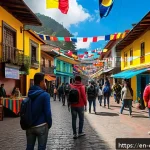
I’ve seen firsthand how these incredible flavors are sparking a global curiosity, with foodies everywhere eager to explore beyond the usual. From the bustling streets of Bogotá to the serene coffee regions, Colombia’s culinary landscape is a vibrant tapestry, brimming with tastes and textures that truly tell the nation’s story.
If you’re anything like me, you’re probably dreaming of your next delicious discovery, and trust me, Colombian food delivers. So, are you ready to embark on an unforgettable gastronomic journey with me?
Let’s dive deep into the heart of Colombia’s most cherished traditional dishes and uncover their delicious secrets right now!
Unveiling the Soul of Colombian Comfort Food
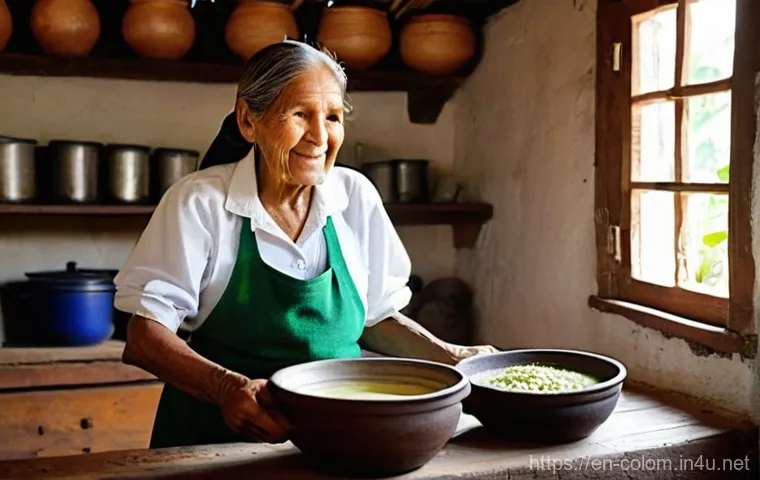
You know, there’s something truly magical about the way food can transport you, can’t there? For me, the moment I savored my first authentic Colombian dish, it wasn’t just a meal; it was an embrace, a story unfolding on my palate. I’m talking about that feeling when you bite into something so deeply comforting, so bursting with flavor, that it instantly feels familiar, even if it’s your very first taste. Colombian cuisine, at its heart, is all about that profound sense of warmth and hospitality. It’s the kind of food that reminds you of grandma’s kitchen, even if your grandma never cooked a single arepa in her life. It’s hearty, it’s vibrant, and it definitely leaves an impression that sticks with you long after the last bite. What really gets me is how these dishes, often simple in their core ingredients, are elevated through time-honored techniques and a generous sprinkle of love. This isn’t fancy, Michelin-star dining; it’s soul food in its purest, most delicious form, designed to be shared with family and friends, sparking joy and conversation around the table. Every ingredient seems to play its part perfectly, creating a symphony of flavors that truly reflects the country’s diverse landscape and rich cultural heritage. I always tell people, if you want to truly understand Colombia, start with its kitchen.
The Everyday Embrace of the Arepa
If there’s one staple that truly embodies Colombian comfort, it has to be the arepa. Oh, how I adore them! Forget everything you think you know about corn cakes; a Colombian arepa is a world unto itself. I remember standing by a street vendor in Medellín, watching her effortlessly grill these golden discs, the aroma of toasted corn filling the air. She handed me one fresh off the griddle, still steaming, split open and stuffed with a generous slab of fresh cheese. That first bite? Absolute heaven. It’s crispy on the outside, wonderfully soft and chewy on the inside, and when paired with cheese, it’s just perfection. You’ll find arepas in countless variations across Colombia, from the thin, crispy ones in the Caribbean to the thicker, cheese-filled ones from the Andean region. They’re breakfast, they’re a snack, they’re a side dish – essentially, they’re life! Each region has its own spin, its own beloved filling, and trying them all is definitely part of the adventure. I’ve probably tried dozens of different kinds, and each one tells a little story about where it comes from. It’s a testament to the versatility and enduring appeal of this simple yet profound food. Honestly, once you’ve had a really good arepa, you’ll understand why Colombians are so passionately devoted to them; they’re truly a taste of home.
Ajiaco: A Hearty Bowl of History
On a chilly Bogotá day, there’s nothing, and I mean absolutely nothing, that hits the spot quite like a steaming bowl of Ajiaco. This isn’t just soup; it’s a culinary masterpiece, a rich tapestry of flavors and textures that speaks volumes about the Andean region’s culinary traditions. The first time I tried it, I was a bit overwhelmed by the sheer number of ingredients – three different kinds of potatoes, chicken, corn on the cob, guascas (a unique herb essential to its flavor profile), and then, of course, the creamy avocado, capers, and a dollop of sour cream added at the table. It sounded like a lot, but oh, my goodness, the way it all melds together into a velvety, incredibly flavorful broth is pure genius. Each spoonful is a discovery, a warm hug that spreads from your belly right up to your soul. It’s hearty without being heavy, comforting without being bland. This isn’t a quick fix meal; it’s a slow-cooked labor of love, a dish that has graced Colombian tables for centuries, telling tales of indigenous ingredients and Spanish influences. I’ve tried to replicate it at home, and while my version is pretty good, nothing quite compares to the authentic experience of enjoying Ajiaco in a traditional Colombian restaurant, especially when the mountain air has a bite to it. It’s an experience I truly cherish and highly recommend to anyone visiting the region. It’s more than just food; it’s a cultural immersion in a bowl.
A Taste Tour: Regional Delights You Can’t Miss
Colombia is a land of incredible geographical diversity, and as I’ve traveled through its stunning landscapes, I’ve realized that its food scene is just as varied and exciting. What you eat in the sun-drenched Caribbean coast is worlds apart from the hearty stews of the Andean highlands or the exotic fruits of the Amazon. It’s like hopping from one culinary universe to another without ever leaving the country! This regionality is what makes exploring Colombian food so endlessly fascinating. You might think you know Colombian cuisine after trying an empanada, but trust me, you’ve only just scratched the surface. Every corner of this beautiful country boasts its own signature dishes, deeply rooted in local ingredients, climate, and historical influences. I always find it exhilarating to see how the same core Colombian spirit of flavor and hospitality manifests so differently across its regions. It’s a testament to the creativity and resourcefulness of Colombian cooks through generations. From the bustling marketplaces to serene village kitchens, each region proudly presents its gastronomic identity, inviting you to taste its unique story. This journey through regional flavors isn’t just about eating; it’s about understanding the very fabric of Colombia itself.
Caribbean Coast: Seafood & Tropical Flavors
When you hit the Caribbean coast of Colombia, think vibrant colors, fresh seafood, and a definite tropical flair. I spent a week in Cartagena once, and honestly, I lived on seafood. The warmth of the sun and the rhythm of the ocean seep into every dish here. One of my absolute favorites has to be Pescado Frito, a whole fried fish, usually red snapper, served with a mountain of coconut rice (Arroz con Coco) and patacones (crispy fried plantains). The fish is perfectly seasoned, impossibly crispy on the outside, and incredibly tender and flaky on the inside. And that coconut rice? It’s sweet, savory, and unbelievably addictive – a perfect counterpoint to the salty fish. I remember sitting by the sea, feeling the breeze, and just savoring every single bite of this meal; it’s an experience that really sticks with you. Beyond the fish, you’ll find incredible ceviches, shellfish stews, and a variety of dishes featuring exotic fruits that add a refreshing zest. The flavors here are bold, bright, and utterly unforgettable, truly reflecting the lively spirit of the coast. Don’t even get me started on the fresh fruit juices – lulo, maracuyá, guanábana – they’re like liquid sunshine in a glass!
Andean Highlands: Hearty Soups & Stews
Venturing into the cooler Andean highlands, the culinary scene shifts dramatically to more substantial, warming dishes, perfect for the mountainous climate. This is where those incredible soups and stews really shine, offering comfort and sustenance. Besides the iconic Ajiaco, you’ll find other incredible creations like Sancocho. Sancocho is another one of those dishes that instantly feels like a warm hug. It’s a rich, hearty soup that usually features a medley of meats (chicken, beef, or fish), various root vegetables like yucca, plantains, and potatoes, all slow-cooked to perfection in a flavorful broth. Each spoonful is packed with different textures and tastes, making it an incredibly satisfying meal. I had a particularly memorable Sancocho in a small family-run restaurant outside Bogotá; it was bubbling away in a huge pot over an open fire, and the aroma alone was enough to make your mouth water. Served with a side of rice and avocado, it’s a complete meal that truly nourishes both body and soul. These Andean dishes are all about utilizing the bounty of the land, turning simple, wholesome ingredients into something truly extraordinary through time-honored cooking methods. It’s food that grounds you, connects you to the earth and the traditions of the people.
Beyond the Empanada: Hidden Gems of Colombian Street Food
Okay, we’ve talked about the glorious empanada, and for good reason – it’s a superstar! But to truly experience the vibrant pulse of Colombian life, you absolutely have to dive deeper into its street food scene. This is where the magic happens, where you get an authentic, no-frills taste of local flavors, often for just a few dollars. I’ve always found that the best stories, and the best food, often come from the bustling corners and hidden alleys where street vendors set up shop. The aroma alone is enough to draw you in – a tantalizing mix of frying dough, grilling meats, and exotic spices. It’s an adventure for your senses, and every bite is a delightful surprise. Seriously, just walk around any major city like Bogotá or Cali, and you’ll be spoiled for choice. From quick snacks to more substantial bites that can easily serve as a full meal, Colombian street food is diverse, delicious, and an absolute must-try for any food lover. Don’t be shy; embrace the chaos and the incredible flavors that await you. It’s an experience that tells you so much about the local culture and the generous spirit of the Colombian people. Plus, it’s usually incredibly affordable, which means you can try a little bit of everything!
Buñuelos: Sweet, Golden Clouds of Delight
If you’re anything like me, you have a soft spot for something sweet and fried, and that’s exactly what a buñuelo delivers, and then some! These aren’t your average doughnuts; buñuelos are glorious, airy, cheese-infused fried dough balls that are subtly sweet and incredibly addictive. They’re especially popular around Christmas, but honestly, you can find them year-round, and thank goodness for that! The first time I tried one, it was warm, straight from the oil, and its slightly crispy exterior gave way to a soft, fluffy interior that was just heavenly. The cheese inside isn’t overpowering; it adds a wonderful savory balance to the sweetness, creating a flavor profile that’s truly unique. I remember having them for breakfast with a cup of rich Colombian coffee, and it felt like the most perfect start to the day. They’re often sold by street vendors or in small bakeries, and the smell of them frying is enough to stop you in your tracks. Trust me, once you try a perfectly made buñuelo, you’ll be dreaming of them long after you’ve left Colombia. They’re simple, yes, but sometimes the simplest things are the most profound and satisfying.
Chorizos & Morcilla: Grilled Delights
For those who love a good grilled sausage, Colombian street food has you covered with its fantastic chorizos and morcilla (blood sausage). Walking through a lively market, the smoky aroma of these grilling meats is utterly irresistible. Colombian chorizo is typically a fresh pork sausage, seasoned with various spices, and when grilled, it develops this wonderful char on the outside while staying juicy and flavorful within. It’s often served simply, perhaps with a small arepa or a piece of papa criolla (small yellow potato). My absolute favorite way to eat it is straight off the grill, with a squeeze of lime – the acidity cuts through the richness beautifully. Then there’s morcilla, which might sound a bit intimidating if you haven’t tried blood sausage before, but please, be adventurous! Colombian morcilla is usually filled with rice, peas, and various spices, giving it a wonderfully earthy and complex flavor. When grilled, it gets a slightly crispy casing, and the filling is incredibly savory and satisfying. I was a bit hesitant at first, but after trying a perfectly prepared one, I became a convert. Both are incredible examples of how Colombians turn simple ingredients into street food sensations that are packed with robust flavor and character. They’re a must-try for anyone looking to truly experience the depth of Colombian culinary traditions.
Sweet Endings: Indulging in Colombia’s Desserts
After all those savory delights, it’s only fair that we talk about the sweet side of Colombia, and let me tell you, it’s just as captivating! Colombian desserts often lean into rich, milky flavors, tropical fruits, and a generous amount of sweetness, making them utterly irresistible. Forget subtle; these desserts are meant to be savored, to be a grand finale to an already amazing meal, or simply a delightful treat to brighten your afternoon. I’ve always found that the desserts here carry a certain nostalgia, a connection to traditional home cooking that makes them incredibly comforting. Many of them rely on ingredients like panela (unrefined cane sugar), milk, and local fruits, transformed into confections that are both unique and deeply satisfying. It’s a wonderful exploration of texture as well, from creamy custards to chewy fruit preserves. Every time I think I’ve found my favorite, I discover another gem that completely blows me away. This journey through Colombian sweets isn’t just about satisfying a craving; it’s about experiencing another layer of the country’s rich culinary heritage, one delicious bite at a time. So, buckle up, because your sweet tooth is in for a real treat!
Arequipe: The Caramel Dream
If there’s one sweet treat that truly embodies Colombian indulgence, it’s Arequipe. Think of it as a richer, more decadent version of dulce de leche, slow-cooked to a perfect, glossy caramel. My very first encounter with arequipe was in a small bakery, where it was generously slathered between layers of delicate wafers, creating a heavenly dessert called obleas. The way the smooth, creamy arequipe just melted in my mouth, with that deep caramel flavor, was absolutely unforgettable. It’s made from milk and sugar, slowly simmered until it thickens into this glorious, golden-brown spread. You’ll find it everywhere: as a filling for pastries, drizzled over fruits, served with cheese, or simply eaten by the spoonful straight from the jar (guilty pleasure, anyone?). It’s that perfect balance of sweet and comforting, and it pairs beautifully with a strong cup of Colombian coffee. I’ve even seen it in ice cream and various candies. It’s a versatile ingredient that elevates any dessert it touches. Arequipe isn’t just a condiment; it’s a beloved national treasure, a sweet staple that brings a smile to everyone’s face, and honestly, it’s impossible to resist once you’ve had a taste of the good stuff.
Exotic Fruit Delights: Postres with a Tropical Twist
Colombia’s abundance of exotic fruits means that many of its desserts feature these vibrant, flavorful treasures. Beyond the rich, milky treats, you’ll find a refreshing array of fruit-based postres that are simply divine. I was amazed by the variety of fruits I’d never even heard of before, each offering a unique flavor profile that brightens up any sweet creation. Think of desserts made with lulo (naranjilla), maracuyá (passion fruit), or guanábana (soursop), often blended into refreshing sorbets, mousses, or creamy concoctions. One dessert that particularly captivated me was a simple but elegant mango dessert, often served chilled with a hint of lime. The natural sweetness and tang of the ripe mango, combined with a light cream, was just perfect for a warm afternoon. Another favorite is Salpicón, which isn’t strictly a dessert but a vibrant fruit cocktail often served with a scoop of ice cream on top, transforming it into a sweet treat. It’s a colorful mix of chopped fresh fruits, often in a refreshing fruit juice, and it’s incredibly invigorating. These fruit desserts are a testament to Colombia’s incredible biodiversity, offering a lighter, brighter alternative to some of the richer pastries, and they’re just bursting with natural flavor. They’re a fantastic way to experience the country’s tropical bounty in a deliciously sweet form.
The Heart of the Home: Staple Ingredients and Cooking Traditions
Stepping into a Colombian kitchen, whether it’s in a bustling city or a serene countryside home, immediately gives you a sense of the essential ingredients and deep-rooted traditions that define this cuisine. It’s not about overly complicated techniques; it’s about respect for ingredients, time-honored methods, and the belief that food is meant to bring people together. I’ve been fortunate enough to spend some time cooking with local families, and what struck me most was the sheer pride and love that goes into every single dish. They use what’s available, fresh from the local markets, and transform it into something truly special. There’s a certain rhythm to Colombian cooking, a deliberate pace that allows flavors to meld and develop. It’s less about following a rigid recipe and more about an intuitive understanding of how ingredients interact. This approach results in dishes that feel incredibly authentic and comforting, carrying with them the stories and flavors of generations. It’s the kind of cooking that leaves you feeling nourished in every sense of the word, and it’s a beautiful reflection of the country’s agricultural bounty and close-knit family values. The way food is central to family gatherings and celebrations is truly heartwarming.
Beyond Potatoes: The Root of Colombian Flavors
While potatoes are undoubtedly a significant player in Colombian cuisine, especially in the Andean regions (hello, Ajiaco!), the country’s culinary roots run much deeper, quite literally, with a fascinating array of root vegetables and tubers. I was genuinely surprised by the sheer variety when I first started exploring. Beyond the common potato, you’ll encounter yuca (cassava), arracacha, and ñame (yam), each bringing its unique texture and subtle flavor to dishes. Yuca, for example, is incredibly versatile – boiled, fried, or mashed, it’s a staple side dish, offering a slightly starchier, chewier alternative to potatoes. My personal favorite is fried yuca, crispy on the outside and wonderfully fluffy inside, often served with a spicy aji sauce. Then there’s arracacha, a root vegetable with a distinct, slightly sweet, and earthy flavor, often used to thicken soups and stews, giving them a creamy consistency. These roots aren’t just fillers; they are fundamental building blocks of many traditional Colombian dishes, providing substance and contributing to the unique flavor profiles. Learning about and tasting these different tubers was like unlocking a secret level of Colombian gastronomy, revealing the depth and breadth of its agricultural heritage. They really highlight how resourceful and creative Colombian cooks are with the bounty of their land.
The Power of Panela and Plátanos
If there are two ingredients that truly define the backbone of everyday Colombian cooking and sweet treats, it has to be panela and plátanos (plantains). Panela, unrefined whole cane sugar, is ubiquitous. It’s not just a sweetener; it adds a rich, earthy caramel note that regular sugar simply can’t replicate. You’ll find it in refreshing drinks like agua de panela, in countless desserts like arequipe, and even subtly balancing savory dishes. I remember being offered a warm glass of agua de panela on a cool morning, and it was the most comforting, energizing drink imaginable. It’s less intensely sweet than refined sugar, with a more complex flavor that feels wholesome. And then there are plátanos – plantains! Oh, the plantains! These are not bananas, my friends. They’re a fundamental part of the Colombian diet and appear in countless forms. You’ve got green plantains for patacones (savory, smashed, and fried), and ripe plantains (maduros) which are sweet and often fried until caramelized, served as a delightful side dish or even as part of a main meal. I’ve had them baked, fried, boiled, and each preparation offers a completely different experience. They’re the ultimate versatile ingredient, transforming from savory starch to sweet indulgence with just a little ripening. Together, panela and plátanos are pillars of the Colombian kitchen, showcasing the incredible ability to create diverse and delicious meals from relatively simple, readily available ingredients.
Sipping on Sunshine: Colombia’s Iconic Beverages
When you’re exploring the incredible flavors of Colombian food, you absolutely can’t forget about the drinks! Colombia’s beverage scene is just as vibrant and diverse as its culinary landscape, offering everything from world-renowned coffee to refreshing fruit juices and unique regional concoctions. For me, trying the local drinks is an integral part of understanding a culture. It’s not just about quenching your thirst; it’s about experiencing the local produce, the traditional methods, and the social rituals that surround these beverages. Whether you’re starting your day with a rich, aromatic cup of joe or cooling down with a tropical fruit juice on a hot afternoon, Colombian drinks are an experience in themselves. I’ve sampled so many different kinds, and each one tells a little story about the climate, the fruits, and the traditions of its origin. There’s a wonderful artistry in how Colombians prepare their drinks, often highlighting the natural flavors of fresh ingredients with minimal fuss. From the bustling street corners where vendors sell freshly squeezed juices to the cozy cafes serving artisanal coffee, the world of Colombian beverages is a delightful journey for your taste buds. So, let’s raise a glass to the refreshing and spirited side of Colombia!
Coffee: The Black Gold of Colombia
Let’s be real, you can’t talk about Colombian beverages without immediately thinking of coffee. And for good reason! Colombian coffee isn’t just a drink; it’s an institution, a source of national pride, and for me, a daily ritual. I remember visiting a coffee farm in the Zona Cafetera, walking through rows of lush coffee plants, and learning about the meticulous process from bean to cup. The care and dedication that goes into cultivating and harvesting these beans are truly remarkable. The result? A cup that is consistently smooth, rich, and incredibly aromatic, with that perfect balance of acidity and body. It’s renowned globally for its quality, and after tasting it fresh at the source, I completely understand why. Forget what you think you know about coffee; a proper cup of Colombian brew is an experience. It’s often served black, sometimes with a touch of panela for sweetness, allowing the pure, unadulterated flavor of the beans to shine through. I’ve had coffee all over the world, but there’s a unique magic to a simple “tinto” (black coffee) in Colombia. It’s more than just a morning pick-me-up; it’s a moment of connection, a taste of the country’s soul, and an essential part of the daily rhythm of life. Once you’ve had it fresh, you’ll find it hard to go back.
Exotic Juices & Refreshing Aguapanela
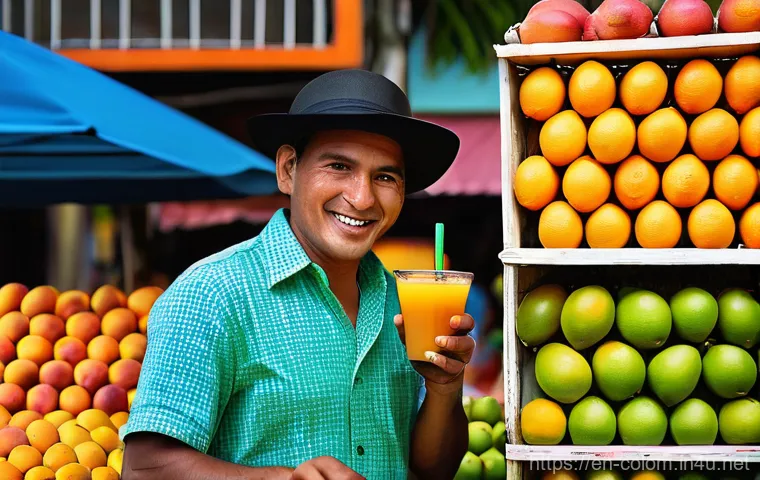
Beyond the coffee, Colombia boasts an astonishing array of fresh fruit juices that are an absolute revelation, especially on a warm day. The variety of tropical fruits available means you can try a different, vibrant flavor almost every day of your trip! I’ve been blown away by juices made from lulo, which has a tangy, citrusy flavor; maracuyá, with its intense passion fruit punch; and guanábana, creamy and subtly sweet. These aren’t just ordinary juices; they’re like liquid sunshine, bursting with natural goodness and incredibly refreshing. You’ll find fresh juice stalls on almost every street corner, and the quality is consistently excellent. And then there’s Aguapanela, a deceptively simple yet profoundly satisfying drink made from panela (unrefined cane sugar) and water, often served warm with a squeeze of lime, or chilled with ice. It’s incredibly comforting and hydrating, a go-to for many Colombians throughout the day. I remember being offered it after a long hike, and it was exactly what I needed – subtly sweet, incredibly replenishing, and just wonderfully wholesome. It’s a testament to how simple, natural ingredients can create the most delicious and iconic beverages. Don’t leave Colombia without trying as many of these vibrant, natural drinks as you can; they’re truly a taste of the country’s natural bounty.
| Dish / Drink | Key Ingredients | Typical Region | Flavor Profile |
|---|---|---|---|
| Arepa con Queso | Cornmeal, Cheese | Nationwide (Variations) | Savory, Mild, Comforting |
| Ajiaco Santafereño | Chicken, 3 types of Potatoes, Guascas, Corn | Andean (Bogotá) | Hearty, Creamy, Herbaceous |
| Pescado Frito | Whole Fried Fish, Coconut Rice, Patacones | Caribbean Coast | Crispy, Salty, Tropical |
| Sancocho | Meat (Chicken/Beef/Fish), Root Vegetables, Plantain | Nationwide (Regional variations) | Rich, Savory, Homestyle |
| Buñuelos | Corn flour, Cheese, Sugar (fried) | Nationwide (Especially Christmas) | Sweet, Savory, Fluffy |
| Arequipe | Milk, Sugar (slow-cooked) | Nationwide | Sweet, Caramel, Rich |
| Agua de Panela | Panela, Water, Lime | Nationwide | Sweet, Earthy, Refreshing |
Bringing Colombia Home: Recreating the Flavors in Your Kitchen
After all this delicious talk, I bet you’re thinking, “How can I get a taste of Colombia without hopping on a plane?” And believe me, I’ve been there! The good news is, many of Colombia’s most cherished dishes are surprisingly accessible to make in your own kitchen. You don’t need a professional chef’s pedigree; you just need a willingness to explore new ingredients and a touch of culinary curiosity. I’ve personally experimented with countless recipes, sometimes with hilarious failures (my first attempt at patacones was… crunchy, to say the least!) but mostly with incredibly rewarding successes. The key is often in sourcing a few specific ingredients that really define the flavor, like good quality corn flour for arepas, or the right blend of spices for a marinade. It’s a fantastic way to keep the spirit of your travels alive, or to embark on a culinary adventure right from your home. Plus, there’s immense satisfaction in recreating a dish that brought you so much joy during your travels. I find that when I cook Colombian food, it’s not just about the recipe; it’s about reconnecting with those vivid memories and the wonderful people I met along the way. So, roll up your sleeves, put on some Cumbia, and let’s bring those vibrant Colombian flavors to your dinner table!
Sourcing Authentic Ingredients: Your Local Latin Market
One of the biggest hurdles people often face when trying to recreate international cuisine at home is finding the right ingredients. But for Colombian food, it’s often easier than you think! Your local Latin American market is going to be your absolute best friend. Seriously, don’t underestimate these treasure troves. This is where you’ll find the specific types of corn flour for your arepas (look for P.A.N. Harina de Maíz), fresh yuca, various types of plantains at different stages of ripeness, and sometimes even the elusive guascas herb for your Ajiaco. I remember feeling so excited the first time I walked into a Latin market near my home and saw rows of familiar products. It felt like I’d stumbled upon a little piece of Colombia! Don’t be shy to ask the store owners or staff for advice; they’re often incredibly knowledgeable and happy to help you find what you need or offer tips on preparation. Sometimes, even larger supermarkets in diverse areas will carry many of these staples. Online ethnic food stores are also becoming increasingly popular and can be a fantastic resource for those harder-to-find items. Investing a little time in sourcing these authentic ingredients makes all the difference in achieving that true Colombian flavor, transforming your dish from ‘good’ to ‘oh-my-goodness-this-is-amazing!’
Essential Tools & Simple Techniques for Success
You might imagine you need fancy kitchen gadgets to make delicious Colombian food, but honestly, that’s rarely the case. Many of these dishes are rooted in simple, practical home cooking. For essentials, a good heavy-bottomed pot for stews like Sancocho, a sturdy skillet for frying patacones or plantains, and maybe a small griddle (or a flat frying pan) for arepas are really all you need. What’s more important than specialized tools are a few simple techniques. Mastering the art of frying without burning is crucial for things like empanadas and buñuelos – it’s all about controlling your oil temperature. For arepas, getting the dough consistency right is key; it should be firm enough to shape but not dry. And for stews, patience is your best friend; slow simmering allows the flavors to truly develop and meld together beautifully. Don’t be afraid to taste as you go along and adjust seasonings. I always advocate for starting with simpler recipes first, like making a basic arepa or a simple arroz con coco, and then gradually moving on to more complex dishes as your confidence grows. There are tons of fantastic online resources and cooking videos that can guide you through the processes step-by-step. Remember, cooking should be fun and experimental, so embrace the journey and enjoy the delicious results of bringing a little piece of Colombia into your own home!
Wrapping Things Up
And there you have it, friends! What an incredible journey we’ve taken through the heart and soul of Colombian comfort food. From the first warm bite of an arepa to the last sweet taste of arequipe, every dish tells a story, every flavor carries a piece of history and hospitality. For me, it’s not just about the incredible tastes; it’s about the feeling of connection, the warmth of the culture, and the pure joy that radiates from every Colombian kitchen. I truly hope this little culinary tour has inspired you to explore these vibrant flavors, whether that means planning a trip or simply bringing a touch of Colombian magic into your own home. Trust me, your taste buds will thank you!
Useful Information to Know
1. Embrace Local Markets: The best way to truly experience Colombian cuisine is by visiting local markets like Paloquemao in Bogotá or Bazurto in Cartagena. Here, you’ll find fresh produce, exotic fruits, and street food vendors offering authentic, delicious bites. Don’t be afraid to try new things and engage with the vendors; they’re often happy to share insights into their ingredients and dishes.
2. Learn a Few Spanish Phrases: While many people in tourist areas speak English, knowing a few basic Spanish phrases like “Hola” (Hello), “Gracias” (Thank you), “Por favor” (Please), and “Cuánto cuesta?” (How much does it cost?) will significantly enhance your experience, especially when ordering food or interacting with locals.
3. Mind the “Aji”: Colombian food is generally not overly spicy, but you’ll often be offered “ají,” a flavorful, sometimes spicy, sauce on the side. Always try a tiny bit first to gauge its heat level before drenching your meal! It’s usually a fresh, vibrant condiment that truly elevates many dishes.
4. Beyond the Cities: While Bogotá, Medellín, and Cartagena offer incredible culinary experiences, don’t overlook the smaller towns and rural areas. This is where you’ll often find the most authentic, homestyle cooking, deeply rooted in local traditions and passed down through generations. A road trip can unveil culinary treasures you won’t find anywhere else.
5. Coffee Culture is Real: Colombian coffee isn’t just a drink; it’s a way of life. Take the time to savor a “tinto” (black coffee) or a “café con leche” (coffee with milk) at a local cafe. Consider taking a coffee farm tour in the Zona Cafetera to truly understand the journey from bean to cup and appreciate the nuances of this world-renowned beverage.
Key Takeaways
Colombia’s food scene is a vibrant tapestry reflecting its diverse geography and rich cultural heritage, offering comforting, hearty dishes that tell stories of tradition and community. From the ubiquitous arepa to the warming embrace of ajiaco and the tropical zest of coastal seafood, the cuisine is characterized by fresh, local ingredients and time-honored cooking methods. Street food provides an authentic, accessible dive into local flavors, while the country’s unique beverages, especially its world-class coffee and exotic fruit juices, are an integral part of the experience. Ultimately, Colombian food is an invitation to connect, to share, and to savor the generous spirit of its people, leaving a lasting impression that goes far beyond just a delicious meal.
Frequently Asked Questions (FAQ) 📖
Q: Beyond those amazing empanadas, what other Colombian dishes simply must I try for a truly authentic taste of the country?
A: Oh, this is where the real fun begins! While empanadas are a fantastic start, Colombia’s culinary heart beats with so many other incredible flavors you absolutely cannot miss.
If you’re looking for that truly iconic, hearty experience, you’ve got to dive into a Bandeja Paisa. Seriously, it’s not just a meal; it’s practically a feast on a platter!
Imagine perfectly cooked white rice, savory red beans, juicy ground beef, crispy chicharrón (pork belly, yum!), a fried egg, a slice of avocado, and a small arepa.
It’s a generous, flavorful combination that really tells the story of the Antioquia region. Then, especially if you find yourself in Bogotá, an Ajiaco is an absolute must.
This creamy chicken and potato soup, made with three types of potatoes and the unique herb, is pure comfort in a bowl. It usually comes with corn on the cob, capers, and a dollop of cream, and it’s truly restorative.
And of course, you’ll encounter Arepas everywhere! These versatile cornmeal patties are a staple, served plain with butter, stuffed with cheese or meat, or accompanying almost any meal.
I’ve enjoyed them for breakfast, as a snack, and as part of a big dinner – they’re so wonderfully adaptable! You might also find yourself falling in love with Sancocho, another rich soup often made with different meats, plantain, yuka, and corn, or indulging in Patacones, those wonderfully crispy fried plantain slices often served with a delicious (tomato and onion sauce).
Trust me, your taste buds are in for an unforgettable journey!
Q: I’m not a huge fan of super spicy food. Is Colombian cuisine generally spicy, or will I be able to enjoy it without needing a glass of milk by my side?
A: That’s a fantastic question, and one I get all the time! Here’s the delightful truth: you can absolutely breathe easy when it comes to Colombian food.
Unlike some of its Latin American neighbors, traditional Colombian cuisine is generally not spicy at all. From my experience, the focus here is on rich, deep, comforting flavors achieved through a beautiful blend of herbs, fresh vegetables, and slow cooking techniques, rather than relying on chili heat to make a statement.
Dishes like Bandeja Paisa, Ajiaco, and Sancocho are celebrated for their savory, robust, yet wonderfully mild profiles. Now, this doesn’t mean the food is bland – far from it!
The flavors are vibrant and complex. If you do crave a bit of a kick, you’re in luck! Colombians usually offer , a fresh, salsa-like condiment made with chili peppers, cilantro, onions, and lime, on the side.
This is your secret weapon, allowing you to customize the heat to your exact preference. So, you get all the incredible taste without the unexpected fire.
It’s truly the best of both worlds!
Q: I want to experience Colombian food like a local, not just in fancy restaurants. What are the best ways to truly dive into the local food scene?
A: Oh, I love this question because it hits right at the heart of what authentic travel is all about! To truly experience Colombian food like a local, you absolutely need to step beyond just sit-down restaurants.
My number one recommendation is to hit the street food scene. This is where the magic truly happens! You’ll find vendors everywhere, especially in bustling plazas like Plaza de la Trinidad in Cartagena or around local markets in any city.
Grab a freshly fried empanada, a sweet buñuelo, or a crispy (a delicious arepa with an egg inside) right off the cart. Don’t forget to try the incredible fresh fruit juices () – they’re an absolute revelation!
Many locals also swear by the sweet treat called , thin wafers often filled with (caramel) and cheese. Another fantastic way to dive deep is by joining a local food tour.
I’ve personally found these tours invaluable because an expert guide can lead you to hidden gems, explain the history and significance of dishes, and introduce you to flavors you might never find on your own.
They often include market visits and tasting unique regional specialties, offering a really immersive experience. It’s not just about eating; it’s about connecting with the culture and the people who pour their heart into these amazing dishes!