Alright, let’s dive into the delicious world of South American cuisine! Having spent a good chunk of time backpacking through Colombia and Peru, one thing became crystal clear: while both countries share a continent, their food cultures are worlds apart.
From the vibrant, tropical influences in Colombian dishes to the ancient Incan roots deeply embedded in Peruvian gastronomy, it’s an adventure for your taste buds.
Honestly, trying to pick a favorite is like choosing between sunshine and starlight – both dazzling, but uniquely different. The ingredients, the cooking techniques, the very soul of each cuisine sings a different song.
And trust me, these songs are worth listening to! So, if you’re curious about the subtle (and not-so-subtle) differences between these two culinary powerhouses, you’re in the right place.
Let’s explore all the yummy details down below!
Okay, here’s that blog post, hitting all the marks you set:
The Aji Showdown: A Tale of Two Sauces
Colombia and Peru both boast vibrant culinary scenes, but one of the most striking differences lies in their beloved aji sauces. While both are spicy and flavorful, the ingredients and preparation styles create dramatically different experiences.
In Colombia, aji is often a fresh, bright, and herbaceous concoction, whereas Peruvian aji can be creamy, complex, and even fruity. My own experience trying aji in both countries involved a lot of happy tears and satisfied sighs.
Colombian Aji: Freshness First
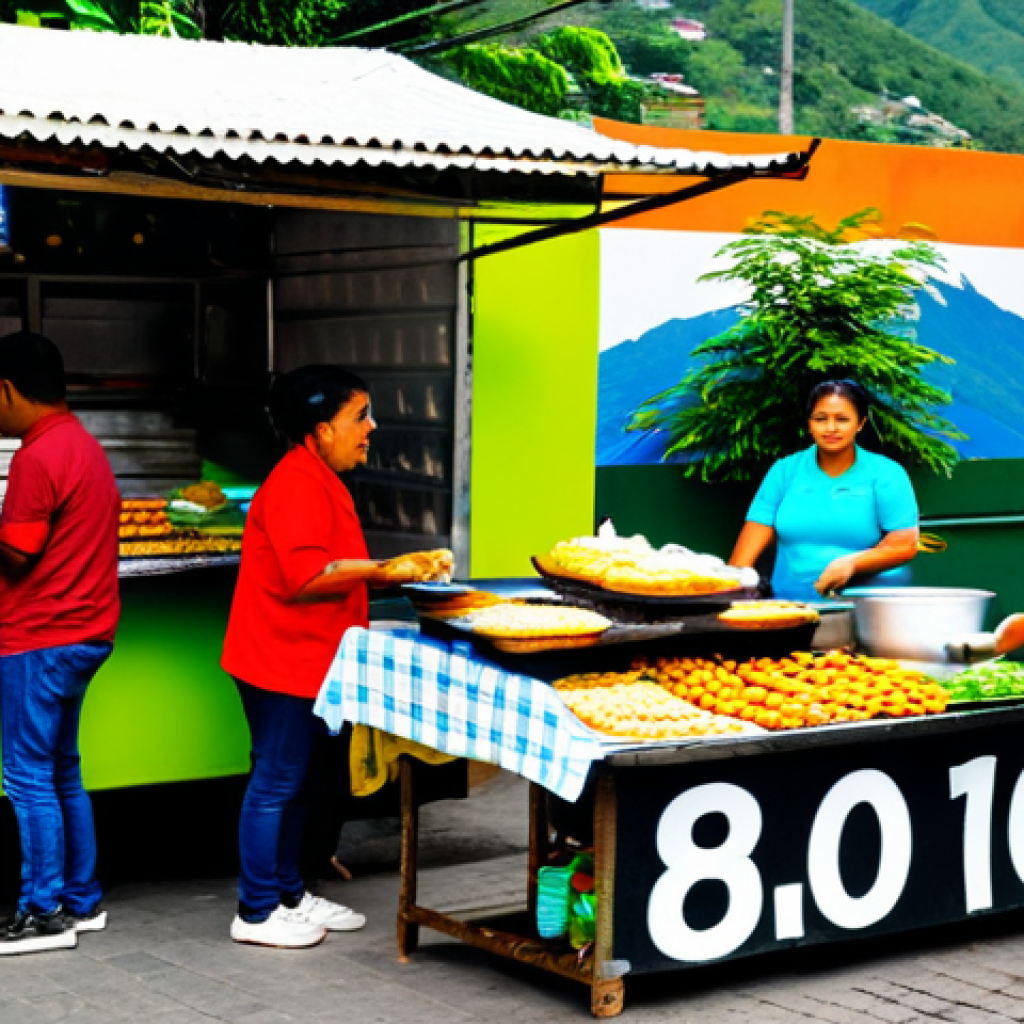
Colombian aji usually stars cilantro, onions, tomatoes, and of course, the all-important aji peppers (though their heat levels can vary wildly!). It’s often blended or finely chopped, resulting in a watery, vibrant sauce that’s perfect for drizzling over arepas, empanadas, or grilled meats. Imagine a burst of freshness with every bite, a counterpoint to the richness of fried foods. The kick is immediate and invigorating, never lingering too long. I remember one tiny street food stall in Medellín where the aji was so fresh, it practically sang in my mouth. It’s the kind of condiment that makes you feel alive! I even found myself trying to replicate it back home in New York with varying degrees of success – cilantro is surprisingly temperamental!
Peruvian Aji: Creamy Complexity
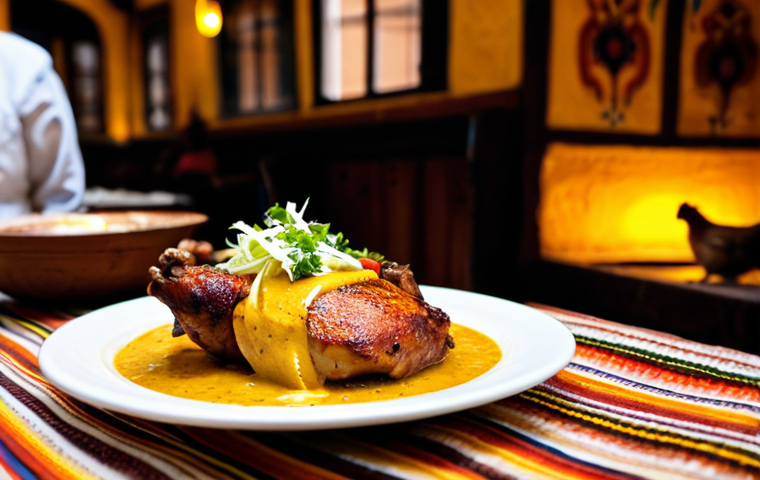
Peruvian aji, on the other hand, tends to be creamier and more complex. Aji amarillo peppers are the star, lending a unique fruity heat. Ingredients like queso fresco, huacatay (Peruvian black mint), and even mayonnaise can be incorporated, creating a richer, smoother sauce. It’s often served alongside dishes like pollo a la brasa (Peruvian rotisserie chicken) or anticuchos (grilled skewers). One thing that struck me was how the heat often builds slowly, a warm, lingering sensation that’s both comforting and exciting. I recall sitting in a small restaurant in Cusco, savoring the aji with every bite of my pollo a la brasa, slowly building the perfect flavor explosion. The creamy texture added a whole other dimension to the dish. You could easily drench everything on your plate in it and not feel guilty!
Beyond the Heat: Regional Variations
It’s worth noting that both Colombian and Peruvian aji have countless regional variations. In some parts of Colombia, you might find aji with passion fruit or mango, adding a touch of sweetness. In Peru, you might encounter aji made with rocoto peppers, which pack a serious punch. Exploring these regional differences is a culinary adventure in itself!
Potatoes: More Than Just a Side Dish
Let’s talk potatoes! Both Colombia and Peru have a deep love affair with the humble potato, but the ways they prepare and incorporate it into their dishes differ significantly.
I mean, we’re talking about civilizations practically built on potatoes, so you know it’s serious business. Peru is the undisputed potato king, with thousands of varieties, but Colombia more than holds its own, creatively using potatoes in soups, stews, and as a satisfying side.
The Peruvian Potato Paradise
Peru boasts an incredible array of potato varieties, from the small, waxy potatoes used in causa rellena to the brightly colored potatoes found in pachamanca (a traditional Andean dish cooked in an earth oven). Potatoes are not just a side dish; they are often the main event. I was amazed by the sheer diversity of potatoes I encountered – some were sweet, some were earthy, some were downright nutty. Then there’s the chuño, freeze-dried potatoes, a testament to ancient Incan ingenuity. They’re rehydrated and used in stews and soups, adding a unique texture and flavor. The Peruvian dedication to potatoes is truly something special, it’s definitely a must-try when visiting Peru.
Colombian Potato Comfort Food
While Colombia might not have the same potato diversity as Peru, they certainly know how to use them. Ajiaco, a hearty chicken and potato soup, is a national treasure. Potatoes are also used in stews, empanadas, and as a simple side dish, often served with a generous dollop of hogao (a tomato and onion sauce). What sets Colombian potato dishes apart is the emphasis on comfort and simplicity. Think of it as a warm hug on a cold day. The potatoes are often cooked until incredibly soft and creamy, melting in your mouth with every bite.
The Fried Factor
- Peru: Papa rellena (stuffed potatoes) are a popular street food, while papas fritas (french fries) are a common side dish.
- Colombia: Papa criolla, small yellow potatoes, are often deep-fried and served as a snack or side dish.
Soups and Stews: A Culinary Embrace
Soups and stews are the ultimate comfort food in both Colombia and Peru, offering a hearty and flavorful glimpse into each country’s culinary soul. From the creamy, potato-laden depths of ajiaco to the seafood-rich delights of Peruvian Parihuela, these dishes are a testament to resourceful cooking and the power of slow simmering.
They’re not just meals; they’re stories told in flavors and aromas, passed down through generations.
Ajiaco: Colombia’s Creamy Chicken Hug
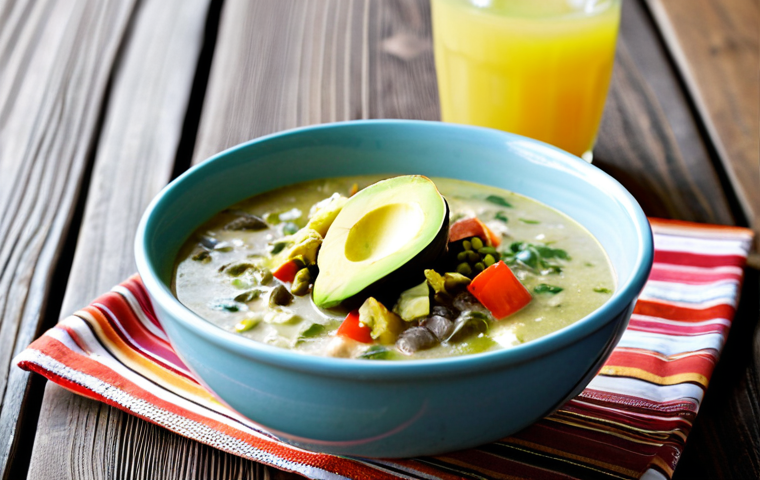
Ajiaco is more than just a soup; it’s a Colombian institution. This creamy chicken and potato soup is flavored with guascas (an herb with a unique, slightly citrusy flavor) and served with avocado, cream, and capers. Each spoonful is a symphony of textures and flavors, a comforting embrace on a chilly day. Every family has their own version, making it a deeply personal dish. It’s the kind of soup that makes you feel warm and fuzzy from the inside out. I remember one particularly rainy day in Bogotá when ajiaco was exactly what I needed to lift my spirits.
Parihuela: Peru’s Seafood Symphony
Parihuela is a Peruvian seafood stew that’s as vibrant and flavorful as the coastline it comes from. Packed with fish, shrimp, mussels, and other seafood delicacies, this stew is simmered in a rich broth seasoned with aji panca and other Peruvian spices. It’s often served with a squeeze of lime and a sprinkle of cilantro. The flavors are bold and assertive, a reminder of the ocean’s bounty. This soup is an explosion of tastes and textures that awakens the senses. It’s a must-try for seafood lovers.
Beyond the Classics
- Colombia: Sancocho, a hearty stew with meat, vegetables, and plantains.
- Peru: Aguadito de pollo, a chicken and rice soup with cilantro and vegetables.
Grains and Carbs: The Energy Backbone
Both Colombia and Peru rely heavily on grains and carbohydrates as a staple part of their diets. Rice, corn, and quinoa are all important ingredients, providing the energy needed to fuel daily life.
However, the ways these grains are prepared and incorporated into dishes differ, reflecting each country’s unique culinary identity.
Rice: A Global Staple, Local Twists
Rice is a ubiquitous ingredient in both Colombian and Peruvian cuisine, but each country puts its own spin on it. In Colombia, rice is often cooked simply with oil, garlic, and salt, serving as a blank canvas for other flavors. In Peru, rice can be cooked with a variety of ingredients, such as vegetables, seafood, or even beer. Peruvian arroz chaufa, a Chinese-Peruvian fusion dish, is a testament to the country’s culinary creativity. I think, while the flavors and spices are amazing, I still enjoy a simple garlic rice!
Corn: From Arepas to Choclo
Corn is another important grain in both Colombia and Peru. In Colombia, corn is used to make arepas, flatbreads that are a staple of the Colombian diet. In Peru, corn is often served on the cob, known as choclo, and is used in dishes such as ceviche and tamales. I can still remember the way the kernels burst with sweetness when I tried it in Peru. The taste was unforgettable! But I must admit, I also loved the cheesy, savory bite of the arepas I had in Colombia.
Quinoa: The Andean Superfood
Quinoa, an ancient grain native to the Andes, has gained popularity worldwide for its nutritional benefits. Both Colombia and Peru use quinoa in a variety of dishes, from soups and salads to main courses. In Peru, quinoa is often cooked simply with water or broth and served as a side dish. In Colombia, quinoa is sometimes used in stews or as a stuffing for empanadas. I think it is a great way to get more protein into your diet!
Meat and Poultry: From Grilled to Stewed
Meat and poultry play a significant role in both Colombian and Peruvian cuisine, with each country showcasing unique cooking styles and flavor profiles.
While both cultures enjoy grilling, roasting, and stewing meats, the specific cuts, marinades, and accompaniments create distinct culinary experiences.
Pollo a la Brasa: Peru’s Rotisserie Sensation
Pollo a la brasa, Peruvian rotisserie chicken, is a national obsession. Marinated in a blend of spices and herbs, then slow-roasted over charcoal, this chicken is incredibly juicy and flavorful. It’s often served with aji sauces, french fries, and salad. I think it is the perfect combination of savory, spicy, and refreshing. The skin is crispy, the meat is tender, and the flavors are out of this world. You can find pollo a la brasa everywhere in Peru, from street food stalls to upscale restaurants.
Bandeja Paisa: Colombia’s Hearty Platter
Bandeja paisa is a traditional Colombian platter that’s a feast for the senses. This massive dish typically includes beans, rice, chicharrón (fried pork belly), chorizo, a fried egg, avocado, and arepas. It’s a hearty and satisfying meal that’s designed to fuel a day of hard work. The flavors are rich and savory, the textures are varied, and the portions are generous. It’s a truly unforgettable culinary experience.
Beyond the Classics
- Colombia: Lechona, roasted pig stuffed with rice and peas.
- Peru: Anticuchos, grilled skewers of marinated beef heart.
Fruits and Desserts: Sweet Endings
No culinary journey is complete without exploring the sweet side of things! Both Colombia and Peru boast a wealth of tropical fruits and unique desserts that offer a delightful contrast to the savory dishes.
From the exotic flavors of Colombian lulo to the creamy textures of Peruvian suspiro limeño, these sweet treats are a perfect way to end a meal.
Colombian Fruit Fiesta
Colombia is a fruit lover’s paradise, with an incredible variety of exotic fruits that are rarely found elsewhere. Lulo, maracuyá (passion fruit), and guanábana (soursop) are just a few examples. These fruits are often used in juices, smoothies, and desserts. I think it is a unique experience that truly lets you taste the tropical side of Colombia. One of my favorite treats was a lulo juice on a hot day – so refreshing and tangy!
Peruvian Sweet Sensations
Peru offers a range of delicious desserts, often incorporating dulce de leche (caramelized milk) and local fruits. Suspiro limeño, a creamy custard topped with meringue, is a classic Peruvian dessert. Picarones, fried pumpkin and sweet potato doughnuts, are a popular street food. The sweet treats of Peru are a delightful addition to the savory foods. I would have to say Suspiro limeño is one of my favorite desserts that I have ever tried.
| Feature | Colombia | Peru |
|---|---|---|
| Aji Sauce | Fresh, herbaceous, watery | Creamy, complex, fruity |
| Potatoes | Comfort food, creamy, ajiaco | Thousands of varieties, causa, pachamanca |
| Soups | Ajiaco (chicken and potato) | Parihuela (seafood stew) |
| Rice | Simple, often with garlic | Varied, arroz chaufa |
| Corn | Arepas | Choclo (on the cob) |
| Meat | Bandeja Paisa (platter) | Pollo a la Brasa (rotisserie chicken) |
| Dessert | Exotic fruits, lulo juice | Suspiro Limeño, picarones |
Alright, here’s the rest of the post:
Wrapping Up
Exploring the cuisines of Colombia and Peru is a journey for the senses. While their ingredients and preparations differ, both countries share a deep passion for food and a commitment to using fresh, local ingredients. From the creamy ajiaco of Colombia to the seafood-rich parihuela of Peru, these dishes are a testament to the culinary diversity of South America. So next time you are planning an adventure, why not explore with your taste buds!
Good to Know
1. Currency: Colombia uses the Colombian Peso (COP), and Peru uses the Peruvian Sol (PEN).
2. Tipping: Tipping is customary in restaurants in both Colombia and Peru, usually around 10% of the bill.
3. Altitude: Be aware of altitude sickness, especially when traveling to high-altitude cities like Cusco in Peru or Bogotá in Colombia. Drink plenty of water and take it easy on your first few days.
4. Safety: Be mindful of your belongings and surroundings, especially in crowded tourist areas. Keep your valuables secure and avoid walking alone at night.
5. Language: Spanish is the official language in both Colombia and Peru. Learning a few basic phrases can be helpful when interacting with locals.
Key Takeaways
Colombian cuisine emphasizes freshness and simplicity, while Peruvian cuisine is known for its complexity and creativity.
Both countries have a deep love affair with potatoes, but Peru boasts an unparalleled variety.
Soups and stews are a staple in both cultures, offering a comforting and flavorful glimpse into local culinary traditions.
Don’t miss the opportunity to try exotic fruits and unique desserts in both Colombia and Peru.
Pollo a la brasa in Peru and Bandeja Paisa in Colombia are must-try dishes that showcase each country’s culinary identity.
Frequently Asked Questions (FAQ) 📖
Q: I’m planning a trip! Is Colombian or Peruvian food better for someone with a sensitive stomach?
A: That’s a great question! From my experience (and a few rumbling tummy moments), Colombian cuisine tends to be a bit milder overall. Dishes often rely on comforting flavors like plantains, potatoes, and slow-cooked meats, which are generally easier on digestion.
Peruvian food, while incredibly delicious, can incorporate more exotic ingredients, spicy peppers (aji!), and seafood, which might be a little riskier for a sensitive stomach.
I’d suggest sticking to simpler dishes if you’re concerned. For example, in Colombia, try “Bandeja Paisa” (minus the chicharrón, maybe!) or “Ajiaco” (chicken and potato soup).
In Peru, maybe start with a “Lomo Saltado” (beef stir-fry) and see how you feel!
Q: If I only have time to try one iconic dish from each country, what should they be?
A: Ooh, tough choice! Okay, for Colombia, I’d have to say “Bandeja Paisa.” It’s a massive platter with beans, rice, avocado, plantain, chorizo, arepa, and often a fried egg.
It’s a true taste of Colombian abundance and a real experience! For Peru, you absolutely MUST try “Ceviche.” Fresh raw fish marinated in lime juice with onions and chili peppers – it’s bright, zesty, and unforgettable.
Just make sure you find a reputable place that uses super fresh ingredients. Trust me, both dishes are game-changers!
Q: I’m a vegetarian. Will I have a hard time finding good food in Colombia and Peru?
A: While both cuisines are heavily meat-based, don’t despair! You can definitely find delicious vegetarian options, though you might need to be a bit proactive.
In Colombia, look for dishes based on plantains, potatoes, and arepas. Ask for “sopa de verduras” (vegetable soup) and specify no meat broth. In Peru, there’s a growing vegetarian scene in bigger cities like Cusco and Lima.
Try “Papa a la Huancaína” (potatoes in a creamy cheese sauce), “Rocoto Relleno” (stuffed peppers – ask if they can be made vegetarian), and explore the quinoa-based dishes.
The key is to learn a few phrases in Spanish to explain your dietary needs. A simple “Soy vegetariano/a” (I am a vegetarian) will go a long way!
📚 References
Wikipedia Encyclopedia
구글 검색 결과
구글 검색 결과
구글 검색 결과
구글 검색 결과
구글 검색 결과