Deep in the heart of South America lies Colombia, a land rich in vibrant culture, stunning landscapes, and captivating history. Among its many legends, the tale of El Dorado stands out—a mythical city of gold that has fascinated explorers and dreamers for centuries.
This alluring story has shaped Colombia’s identity and continues to inspire countless adventures today. From ancient indigenous traditions to modern-day discoveries, the legend weaves a fascinating thread through the country’s past and present.
Curious about the truth behind El Dorado and how it connects to Colombia’s heritage? Let’s dive in and uncover the story together!
The Origins of the Golden Myth
Ancient Traditions and the Muisca People
The heart of the legend lies with the Muisca, an indigenous group who thrived in the Andean highlands long before the Spanish arrived. Their society was rich with rituals, and gold was more than a precious metal—it symbolized the sun and divine power.
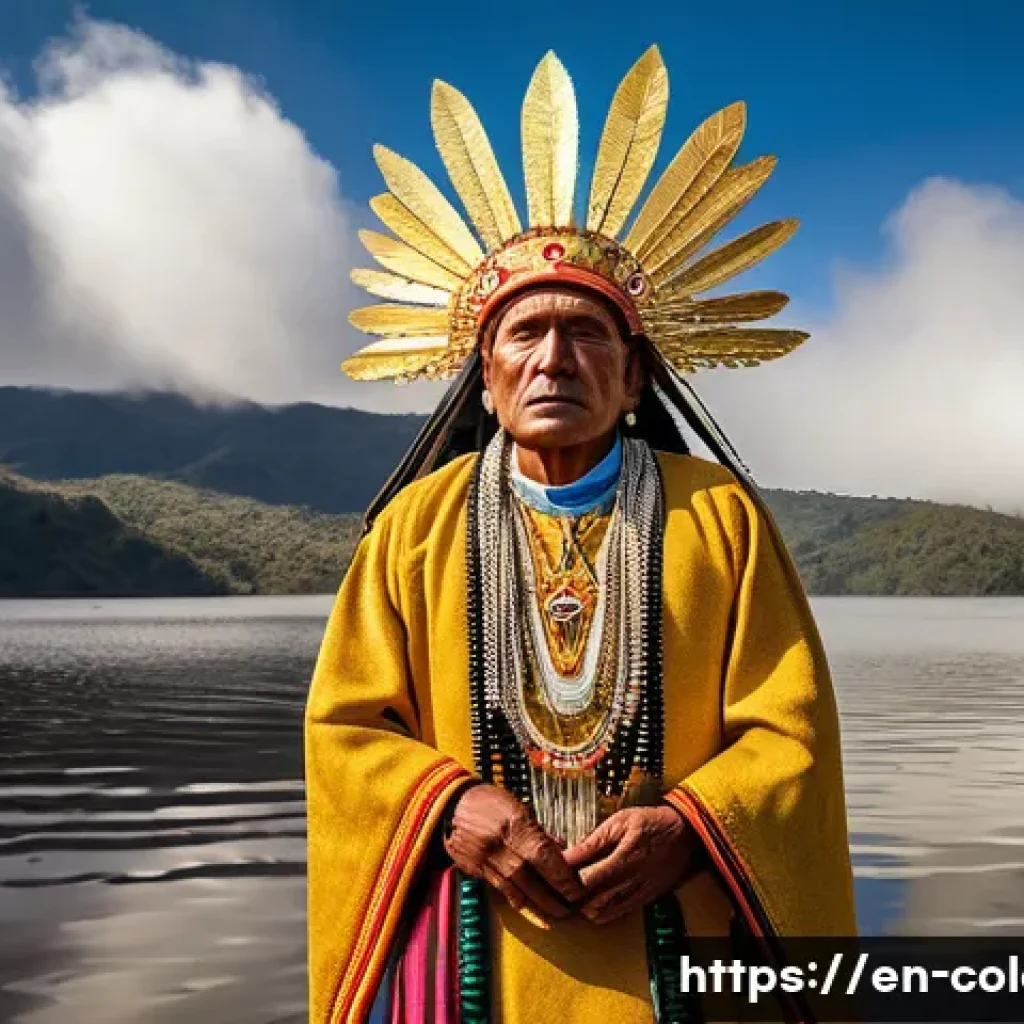
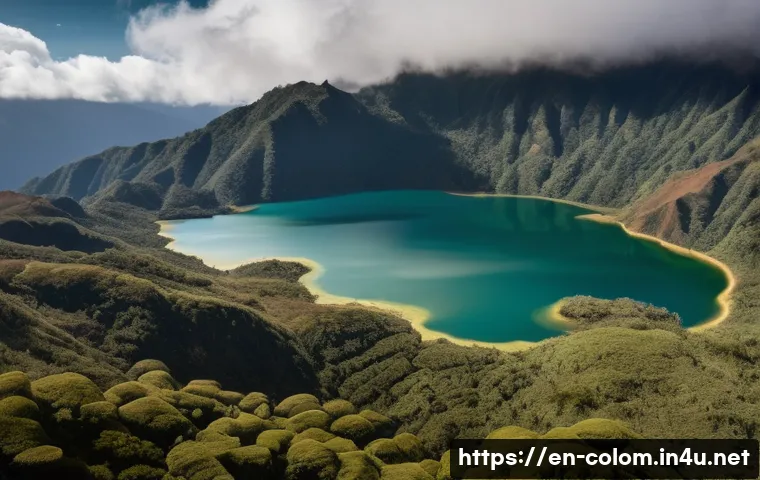
The Muisca crafted exquisite gold artifacts, not for wealth but as offerings to their gods. One of the most famous ceremonies involved the new chief, or zipa, covering himself in gold dust and diving into Lake Guatavita, a ritual that would eventually spark the imagination of explorers seeking a city of gold.
This practice wasn’t about greed but a deep spiritual connection, a detail often lost in later tales.
How Early Stories Sparked European Imagination
When Spanish conquistadors first heard whispers of a land abundant in gold, their minds raced with dreams of unimaginable riches. The stories of the golden chief and the shimmering lake were exaggerated and distorted as they passed through the mouths of eager adventurers.
This blend of fact and fantasy gave birth to the myth of a whole city paved with gold—El Dorado. The Europeans’ relentless quest for this treasure shaped much of the early exploration of Colombia and neighboring regions, weaving a narrative that mixed indigenous culture with the ambitions of foreign powers.
The Role of Geography in Shaping the Legend
Colombia’s rugged terrain, with its dense jungles and misty mountains, created a perfect backdrop for myth-making. The mystery of hidden lakes and unexplored territories made the story of a golden city seem plausible.
Many early expeditions failed due to the harsh landscape, which only deepened the aura of mystery around the legend. In reality, the geography protected the Muisca and their sacred sites, but for outsiders, it became a symbol of the elusive treasure’s inaccessibility.
Unraveling the Historical Truth Behind the Gold
Archaeological Insights into Muisca Culture
Recent archaeological findings have shed light on the true nature of the Muisca civilization, revealing a society with impressive metallurgy skills and a sophisticated understanding of gold work.
Excavations around Lake Guatavita have uncovered ceremonial objects, but no evidence of a vast golden city. These discoveries suggest that the gold was primarily used in rituals and as a symbol of status, rather than for building an opulent metropolis.
Understanding this context helps separate myth from history, giving credit to the Muisca’s cultural richness rather than just the allure of treasure.
Spanish Conquest and the Impact on Indigenous Communities
The Spanish arrival marked a turning point, as the quest for gold led to exploitation and devastation of native populations. The conquistadors’ obsession with finding El Dorado often overshadowed the complex societies they encountered.
Many indigenous traditions were suppressed or lost under colonial rule, and the legend was co-opted to justify further conquest. However, the resilience of Colombian indigenous cultures ensures that their stories and heritage remain alive, albeit often misunderstood in popular narratives.
Modern Discoveries and the Evolution of the Legend
Modern historians and explorers continue to reinterpret the legend with new evidence and perspectives. Instead of chasing a mythical city, the focus has shifted to appreciating the Muisca’s cultural contributions and Colombia’s natural beauty.
Advances in technology have enabled underwater explorations of sacred lakes, revealing artifacts that enrich our understanding without confirming the myth of a golden city.
This evolution highlights how legends adapt and persist, influencing both cultural identity and tourism.
Symbolism of Gold in Indigenous Beliefs
Spiritual Significance of Gold Among the Muisca
Gold held a sacred place in Muisca cosmology, far beyond its economic value. It was a conduit between the earthly and the divine, embodying the sun’s life-giving power.
The process of coating leaders in gold dust was a symbolic act of transformation, connecting them to celestial forces. This spiritual symbolism explains why gold artifacts were often buried or offered in rituals rather than hoarded for wealth, reflecting a worldview that emphasized harmony with nature and the divine.
Gold as a Social and Political Tool
Beyond spirituality, gold was a marker of social status and political power. Leaders displayed gold to assert their authority and maintain cohesion within the community.
The intricate craftsmanship of gold objects was a testament to the Muisca’s artistic achievements and their ability to organize skilled labor. Understanding this dual role of gold helps explain why the legend of El Dorado resonated so strongly with outsiders who equated gold solely with material wealth.
How Misinterpretation Fueled the Myth
The European tendency to interpret gold through a purely economic lens led to a fundamental misunderstanding of its role in Muisca society. This misreading fueled exaggerated tales of a golden city, as the conquistadors sought tangible treasures to claim.
The reduction of complex indigenous beliefs to a simplistic treasure hunt not only distorted history but also contributed to centuries of cultural misunderstanding and exploitation.
The Influence of the Legend on Colombia’s Cultural Identity
Inspiration for Art and Literature
The legend of the golden chief has inspired countless Colombian artists, writers, and filmmakers who explore themes of identity, heritage, and the clash between myth and reality.
Paintings, novels, and movies often use the story to reflect on Colombia’s diverse cultural landscape and the enduring legacy of its indigenous peoples.
This creative engagement keeps the legend alive while encouraging critical reflection on its meanings and implications.
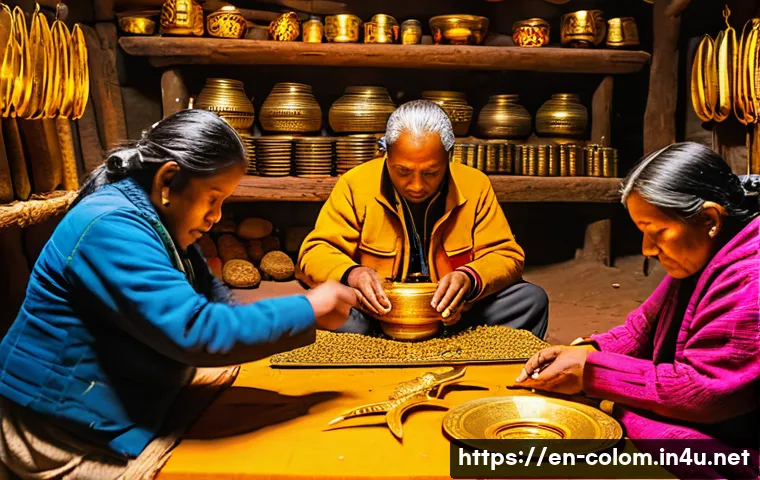
Tourism and Economic Impact
El Dorado has become a powerful draw for tourists, eager to explore the sites associated with the legend. Towns near Lake Guatavita and the broader Andean region have developed cultural tours and museums that highlight both the myth and the historical facts.
This tourism not only boosts local economies but also fosters a greater appreciation for Colombia’s rich indigenous heritage, offering visitors a more nuanced understanding than the traditional treasure hunt narrative.
Educational Efforts and Cultural Preservation
Efforts by Colombian scholars and indigenous communities aim to preserve the true stories behind the legend and promote respect for native cultures. Educational programs integrate archaeological findings and oral histories to provide a balanced view of the past.
These initiatives challenge stereotypes and encourage Colombians and visitors alike to see the legend as part of a living cultural heritage rather than a relic of colonial fantasies.
Notable Expeditions and Their Lasting Legacy
Famous Explorers and Their Journeys
From Gonzalo Jiménez de Quesada’s 16th-century expeditions to later explorers like Sir Walter Raleigh, many adventurers risked their lives in pursuit of El Dorado.
These journeys were often fraught with danger, from harsh climates to hostile encounters. While none succeeded in finding a city of gold, their reports and maps contributed to the European understanding of South America’s geography and peoples, albeit through a lens tinted by greed and misunderstanding.
How These Expeditions Shaped Regional Politics
The quest for gold intensified competition among colonial powers, influencing territorial claims and conflicts. The myth of El Dorado was used strategically to justify invasions and settlements in the region.
This legacy of conquest and rivalry has left complex political and social traces that continue to affect Colombia and its neighbors today, demonstrating how a legend can shape real-world dynamics far beyond its origins.
Contemporary Reflections on Exploration
Modern explorers and historians often revisit these expeditions with a critical eye, acknowledging the human cost and cultural disruptions caused. There is a growing emphasis on ethical exploration and collaboration with indigenous communities to ensure that history is told inclusively.
This shift reflects a broader movement toward respecting diverse narratives and learning from the past to build a more equitable future.
Ecological and Environmental Context of the Mythical Sites
The Unique Ecosystems of the Andean Highlands
The areas linked to the golden legend, particularly around the Eastern Cordillera of the Andes, are home to diverse ecosystems ranging from cloud forests to páramos.
These environments are not only breathtaking but also vital for biodiversity and water regulation. The natural beauty and ecological significance of these regions add another layer of wonder to the legend, reminding us that the true treasure may lie in the land itself.
Conservation Efforts and Challenges
Protecting the lakes and forests tied to the myth is an ongoing challenge amid pressures from mining, agriculture, and tourism. Colombian authorities and environmental organizations work to balance development with conservation, recognizing that preserving these landscapes is crucial for both cultural heritage and ecological health.
Sustainable tourism initiatives aim to educate visitors about the importance of these fragile habitats.
How Nature Influences Cultural Narratives
The interplay between Colombia’s natural environment and its cultural stories highlights how landscapes shape identity and myth. The mysterious lakes and misty mountains inspired awe and reverence among the Muisca and continue to captivate people today.
This connection between nature and culture enriches our understanding of the legend, emphasizing that it is as much about place as it is about gold.
| Aspect | Description | Impact on Legend |
|---|---|---|
| Muisca Rituals | Ceremonial use of gold dust and offerings in lakes | Origin of the golden chief myth, spiritual significance |
| Spanish Conquest | Exploration fueled by greed and distorted stories | Exaggeration of gold wealth, cultural disruption |
| Geography | Remote lakes and mountainous terrain | Added mystery, hindered expeditions |
| Archaeological Findings | Gold artifacts found but no city ruins | Clarified cultural use of gold, debunked city myth |
| Modern Tourism | Cultural tours, museums, ecological visits | Economic benefits, heritage preservation |
| Environmental Conservation | Protection of lakes and forests | Maintains natural beauty and cultural sites |
Conclusion
The legend of El Dorado is a fascinating blend of spirituality, history, and myth that continues to captivate imaginations worldwide. Understanding its true origins and cultural significance enriches our appreciation beyond the allure of gold. It reminds us that the real treasure lies in the heritage and natural beauty of Colombia. Embracing this perspective helps preserve the legacy of the Muisca and honors their enduring influence.
Useful Information to Keep in Mind
1. The Muisca people viewed gold as a sacred symbol, not just a material treasure.
2. The Spanish conquest distorted indigenous stories, fueling myths about a golden city.
3. Colombia’s geography played a key role in protecting sacred sites and shaping the legend.
4. Modern archaeology clarifies that gold was used mainly in rituals, not for building cities.
5. Tourism around the legend supports local economies and promotes cultural preservation.
Key Takeaways
The El Dorado myth is deeply rooted in indigenous spirituality and ritual practices rather than material wealth. Misinterpretations by European explorers transformed a sacred tradition into a tale of greed and conquest. Geography and environment preserved both the mystery and cultural heritage of the Muisca people. Today, respectful exploration and education help balance historical facts with the enduring power of legend, fostering appreciation for Colombia’s rich cultural and ecological landscapes.
Frequently Asked Questions (FAQ) 📖
Q: What is the origin of the El Dorado legend in Colombia?
A: The legend of El Dorado originates from indigenous Muisca tribes who inhabited the Andean highlands of Colombia. They practiced a ritual where their leader, covered in gold dust, would dive into Lake Guatavita as an offering to the gods.
Over time, Spanish conquistadors misinterpreted these rituals, imagining a city overflowing with gold. This blend of myth and historical practice sparked countless expeditions in search of the elusive golden city.
Q: Is there any real historical evidence of El Dorado existing in Colombia?
A: While there’s no concrete proof of a literal city made entirely of gold, archaeological findings confirm the Muisca people’s advanced craftsmanship in gold and their rich cultural traditions involving gold artifacts.
The lake ritual is a well-documented historical event, and many golden objects discovered in Colombia’s museums are linked to this heritage. So, El Dorado is more a symbol of cultural wealth and mythology than an actual lost city.
Q: How does the legend of El Dorado influence Colombia today?
A: The El Dorado legend remains a powerful part of Colombia’s cultural identity and tourism appeal. It fuels interest in exploring indigenous history, natural wonders like Lake Guatavita, and the country’s vibrant heritage.
Festivals, museums, and tours often highlight this story, drawing visitors eager to connect with Colombia’s mystique. Personally, I found that learning about El Dorado adds a magical layer to traveling through Colombia, making every discovery feel like a step into legend.