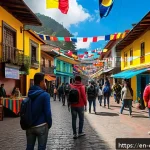
Colombia is a vibrant country bursting with diverse regions, each boasting its own unique flavors and specialties. From the coffee-rich highlands of the Andes to the tropical fruits of the Caribbean coast, every area offers something distinct that reflects its culture and environment.
Exploring these local products not only reveals Colombia’s rich agricultural heritage but also provides a window into the daily lives and traditions of its people.
Whether you’re a foodie, traveler, or simply curious, discovering these regional treasures is a journey worth taking. Let’s dive in and uncover the authentic tastes that make Colombia truly special!
Mountainous Flavors and Highland Delights
Andean Coffee Culture
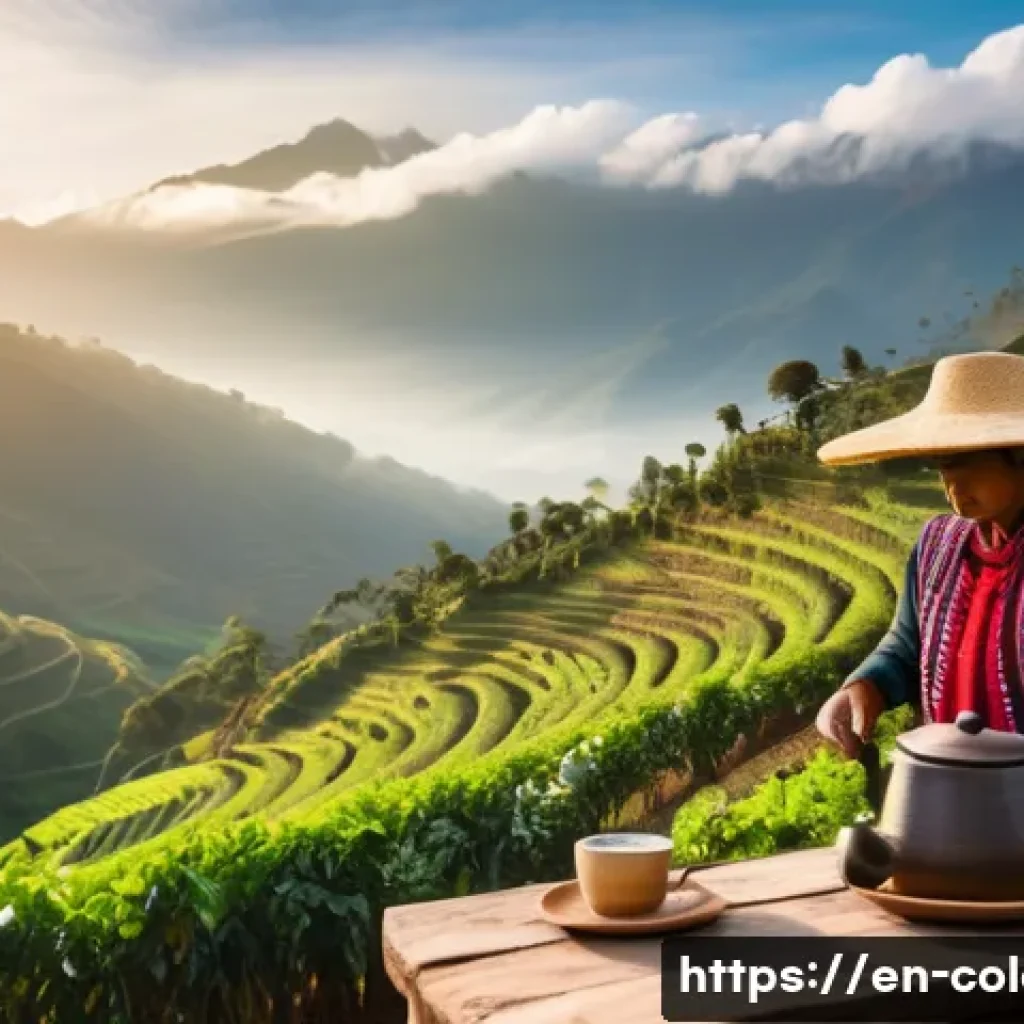
Colombia’s mountainous regions, especially the Andes, are world-renowned for producing some of the finest coffee beans. The unique climate and altitude create the perfect environment for coffee cultivation, giving beans a rich, smooth flavor with subtle fruity and floral notes.
I’ve personally visited small coffee farms nestled in the hills, where farmers still hand-pick and carefully process each bean. This hands-on approach not only ensures quality but also reflects a deep cultural connection to the land.
Sipping a freshly brewed cup while overlooking the lush green terraces is an experience that truly captures the essence of Colombian highlands.
Fresh Andean Fruits and Vegetables
Beyond coffee, the highlands boast an impressive variety of fruits and vegetables that thrive in cooler temperatures. Think of the tangy uchuva (goldenberry), which bursts with a sweet and tart flavor, or the hearty potatoes and corn that form the backbone of many traditional dishes.
Farmers markets in towns like Boyacá are treasure troves where locals and visitors alike can sample these fresh, vibrant products. Eating these native crops feels like tasting history itself because many have been cultivated since pre-Columbian times.
Handcrafted Cheese and Dairy Specialties
The cooler climate and lush pastures of the Andes also make it ideal for dairy farming. I’ve found that local cheeses here have a distinct creaminess and mild flavor, often made using traditional methods passed down through generations.
Queso campesino, a fresh, crumbly cheese, is a staple in many meals and pairs perfectly with a slice of freshly baked bread. Sampling these dairy products in their original setting offers a comforting glimpse into rural Colombian life.
Coastal Bounty and Tropical Treasures
Exotic Caribbean Fruits
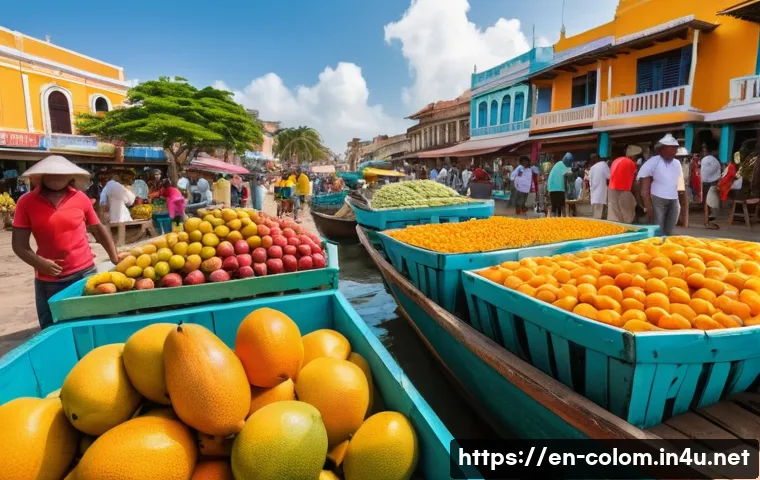
The Caribbean coast of Colombia is a paradise for tropical fruit lovers. Mangoes, papayas, guavas, and passion fruit grow in abundance under the warm sun and salty breeze.
I remember tasting freshly cut maracuyá (passion fruit) straight from a roadside vendor in Cartagena; the intense aroma and tangy sweetness were unforgettable.
These fruits are not only eaten fresh but also turned into refreshing juices, jams, and desserts that showcase the region’s vibrant flavors.
Seafood and Coastal Cuisine
Living near the sea means that seafood is a daily staple for many communities along the coast. Fresh catches like shrimp, lobster, and various fish species are prepared in dishes that blend indigenous, African, and Spanish influences.
One of my favorite discoveries was ceviche made with freshly caught fish, marinated in lime juice and herbs, bursting with zest and freshness. This coastal cuisine tells a story of cultural fusion and respect for natural resources.
Spices and Traditional Seasonings
The coastal regions also use a variety of spices and herbs that add depth and character to their dishes. Annatto seeds, cumin, and fresh cilantro are frequently used, giving the food a distinctive aroma and color.
I’ve noticed that many recipes rely on these ingredients to balance the natural sweetness of tropical fruits and the briny flavors of seafood, creating a harmonious and unforgettable taste experience.
Amazonian Wonders and Unique Forest Products
Exotic Fruits from the Jungle
The Amazon basin in Colombia is a treasure chest of rare and exotic fruits, many of which are unknown to the outside world. I once tried camu camu, a tiny berry packed with vitamin C and a tart flavor that wakes up your taste buds instantly.
Other jungle fruits like guayusa and borojó are prized not only for their taste but also for their health benefits, often used in traditional medicine and energizing drinks.
Wild-Harvested Nuts and Seeds
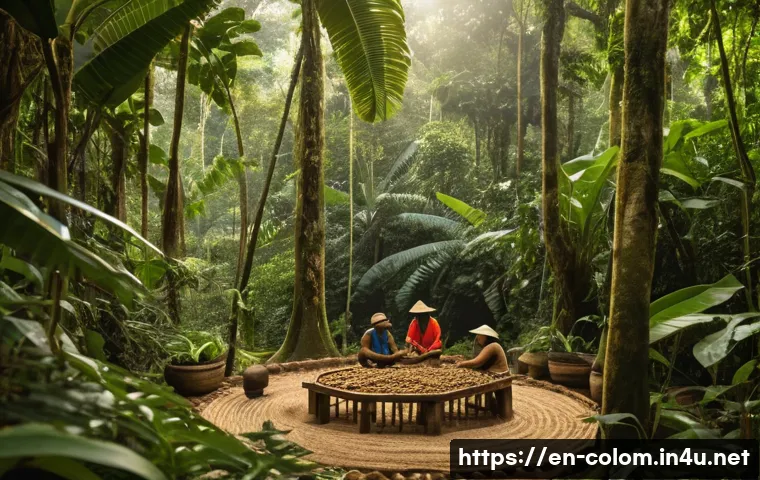
The rainforest provides an abundance of wild nuts and seeds, harvested sustainably by indigenous communities. Brazil nuts and sacha inchi seeds are rich in nutrients and have a slightly nutty, earthy flavor.
I had the chance to join a local family during a harvest, and it was inspiring to see their respectful relationship with the environment, ensuring these resources remain abundant for generations to come.
Medicinal Plants and Herbal Remedies
Many plants in the Amazon are revered for their healing properties. Locals often prepare herbal teas and poultices from leaves, bark, and roots, passing down this knowledge through oral tradition.
Exploring these remedies gave me a profound appreciation for the deep connection between nature and health in this region, highlighting Colombia’s rich ethnobotanical heritage.
Urban Markets and Fusion Food Trends
Vibrant Street Food Scenes
Colombian cities like Bogotá and Medellín are melting pots where traditional ingredients meet modern culinary creativity. Street food vendors serve up everything from arepas stuffed with cheese and meats to empanadas bursting with flavorful fillings.
I’ve spent many evenings wandering through bustling markets, savoring these quick bites that tell stories of local tastes and evolving food culture.
Farm-to-Table Movements
In recent years, a growing number of chefs and restaurants have embraced the farm-to-table philosophy, sourcing ingredients directly from regional producers.
This trend not only supports local farmers but also elevates traditional dishes with fresh, seasonal produce. Experiencing these meals made me realize how Colombia’s diverse agricultural products are being reimagined in exciting and sophisticated ways.
Artisanal Products and Gourmet Specialties
Urban areas also showcase artisanal products like handcrafted chocolates, specialty coffees, and unique preserves. Visiting a chocolate workshop in Bogotá, I learned how Colombian cacao beans are transformed into rich, complex bars, often infused with native flavors like coffee or chili.
These gourmet items make perfect souvenirs and highlight the country’s dedication to quality and innovation.
Coastal Highlands and Unique Agricultural Practices
Microclimates and Diverse Crops
The coastal highlands present a fascinating mix of climates that allow farmers to grow a wide range of crops within a small area. From coffee plantations at higher elevations to tropical fruit groves lower down, this diversity results in a variety of flavors and textures.
I found it fascinating how farmers adapt their techniques to these microclimates, optimizing yields and preserving biodiversity.
Traditional Farming Techniques
Many growers in these regions maintain age-old farming practices, such as shade-grown coffee and organic cultivation. These methods not only produce superior quality but also protect the environment.
Observing these techniques firsthand gave me a deeper respect for the balance between productivity and sustainability in Colombian agriculture.
Community-Based Agriculture and Fair Trade
Several cooperative projects in the coastal highlands focus on fair trade principles, ensuring farmers receive fair compensation and work in good conditions.
Supporting these initiatives means contributing to the well-being of rural communities while enjoying top-quality products. I was moved by the stories of farmers who, through these cooperatives, have improved their livelihoods and preserved their traditions.
Comparing Colombia’s Regional Specialties
| Region | Key Products | Distinctive Qualities | Typical Uses |
|---|---|---|---|
| Andes Highlands | Coffee, potatoes, uchuva, queso campesino | High-altitude flavors, fresh and hearty | Beverages, traditional stews, snacks |
| Caribbean Coast | Tropical fruits, seafood, spices | Bright, fresh, and zesty | Juices, ceviche, spiced dishes |
| Amazon Basin | Exotic fruits, nuts, medicinal plants | Rare, nutrient-rich, wild-harvested | Health drinks, herbal remedies, snacks |
| Urban Centers | Street food, artisanal chocolates, specialty coffee | Fusion of traditional and modern | Quick bites, gourmet treats, farm-to-table meals |
| Coastal Highlands | Microclimate crops, shade-grown coffee | Varied and sustainable | Fresh produce, fair trade products |
Handcrafted Traditions and Cultural Heritage in Food
Artisan Techniques Passed Down
Many of Colombia’s regional products owe their unique characteristics to centuries-old artisan techniques. Whether it’s the way coffee beans are roasted or how cheeses are made, these methods are closely guarded family secrets.
I’ve had the privilege to meet artisans who take immense pride in preserving these traditions, which add depth and authenticity to the flavors.
Festivals Celebrating Local Produce
Throughout the year, various towns host festivals dedicated to their signature products, like coffee festivals or fruit fairs. These events bring communities together and offer visitors a chance to experience local culture firsthand.
Attending one, I was amazed by the lively music, colorful displays, and of course, the chance to taste fresh, seasonal delicacies straight from the source.
Food as a Social Connector
In Colombia, food is more than nourishment—it’s a way to connect with family and friends. Many dishes are prepared during gatherings and celebrations, strengthening bonds and keeping traditions alive.
From sharing an arepa at breakfast to enjoying a communal meal at a fiesta, food plays a central role in social life, reflecting warmth and hospitality that I found truly heartwarming.
Concluding Thoughts
Exploring Colombia’s diverse food landscape reveals a rich tapestry of flavors shaped by geography, culture, and tradition. Each region offers unique tastes that reflect its environment and history, inviting us to savor more than just a meal but a story. Whether it’s the highland coffees or coastal seafood, these culinary experiences connect us deeply with the people and places behind them. Embracing these flavors is a journey into Colombia’s heart and soul.
Useful Information to Keep in Mind
1. Colombian coffee from the Andes is celebrated for its high-altitude cultivation, resulting in rich and complex flavor profiles perfect for coffee lovers.
2. The Caribbean coast offers an abundance of tropical fruits and seafood, making it a hotspot for fresh, vibrant, and zesty dishes.
3. The Amazon basin features rare fruits and medicinal plants, highlighting the region’s biodiversity and traditional healing practices.
4. Urban centers blend traditional and modern culinary trends, with street food and artisanal products showcasing Colombia’s evolving food culture.
5. Many farming communities practice sustainable and fair trade agriculture, emphasizing environmental care and social responsibility.
Key Takeaways
Colombia’s culinary diversity is deeply rooted in its varied landscapes and cultural heritage. Understanding regional specialties helps appreciate the connection between local ingredients and traditional practices. Supporting sustainable farming and artisanal producers not only preserves these unique flavors but also benefits rural communities. Immersing yourself in Colombian food means experiencing its vibrant culture, history, and the warmth of its people firsthand.
Frequently Asked Questions (FAQ) 📖
Q: What are some must-try local products when visiting Colombia’s different regions?
A: Colombia offers an incredible variety of local products that you shouldn’t miss. In the Andes, the world-famous Colombian coffee is a must-try—freshly brewed right where it’s grown.
Head to the Caribbean coast, and you’ll find exotic tropical fruits like guanabana, passion fruit, and zapote, which are often enjoyed fresh or in juices.
The Amazon region offers unique products like açaí berries and exotic fish, while the Pacific coast is known for its rich seafood and coconut-based dishes.
Sampling these regional specialties gives you a real taste of Colombia’s diverse culture and environment.
Q: How does Colombia’s geography influence the flavors and specialties of its local products?
A: Colombia’s varied geography plays a huge role in shaping the flavors and specialties found throughout the country. The high-altitude Andes provide ideal conditions for growing some of the world’s best coffee, with a rich aroma and smooth taste.
Meanwhile, the warm, humid Caribbean coast supports the growth of a wide range of tropical fruits bursting with sweetness and freshness. The Amazon rainforest offers rare fruits and ingredients adapted to the dense jungle environment.
This geographic diversity means that each region’s products reflect the climate, soil, and traditions unique to that area, making Colombia’s food scene incredibly rich and varied.
Q: What cultural experiences can travelers expect when exploring Colombia’s local food markets?
A: Visiting Colombia’s local food markets is like stepping into the heart of everyday life and culture. You’ll find vibrant stalls filled with colorful fruits, freshly harvested vegetables, aromatic spices, and handmade goods.
Vendors are often eager to share stories about their products and the traditional recipes they’re used in. The markets are lively social hubs where locals gather, making them perfect spots to experience authentic Colombian hospitality.
For travelers, these markets offer not only delicious flavors but also an immersive cultural experience that connects you directly with the people and traditions behind the food.