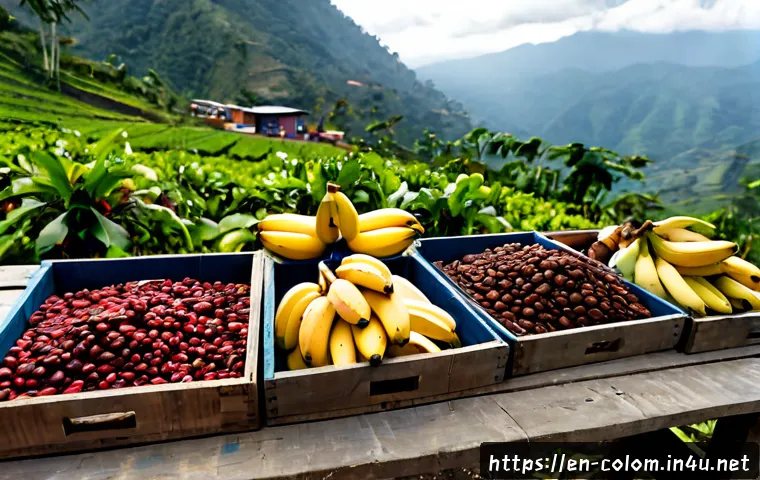
Colombia’s leading export groups include petroleum products, coal, gold, coffee, cut flowers, bananas, and ferronickel or related industrial materials.
For buyers, the best choice depends less on a headline ranking and more on transport requirements, product volatility, shelf life, compliance needs, and supplier readiness.
Energy and mineral commodities can involve bulk procurement and market-price exposure, while coffee, flowers, and bananas are often more approachable categories for specialized importers.
Colombian coffee may suit independent roasters, while flowers demand dependable air-freight handling and bananas require disciplined food-import logistics.
Before sourcing, compare the full landed cost rather than the supplier’s product quote alone. Freight forwarding, cargo insurance, customs brokerage, and supplier due diligence can all affect whether a purchase is commercially practical.
At a Glance
- Colombia is widely associated with exports of petroleum products, coal, gold, coffee, cut flowers, bananas, and ferronickel.
- Specialty coffee, flowers, and bananas can be more practical sourcing categories than bulk commodities for many smaller buyers.
- Annual export positions can change with commodity prices, production, weather, destination demand, and trade-policy conditions.
| Export category | Common transport mode | Volatility | Sourcing complexity | Buyer consideration |
|---|---|---|---|---|
| Crude oil and refined petroleum | Bulk cargo | High | High | Market exposure, technical specifications, large-volume logistics |
| Coal, gold, ferronickel | Bulk or specialized cargo | High | High | Commodity terms, traceability, export readiness, compliance checks |
| Specialty coffee | Ocean freight; air freight for samples | Moderate to high | Moderate | Quality profile, traceability, minimum order quantity, storage |
| Cut flowers | Air freight | Moderate | High | Cold-chain handling, timing, plant-health requirements |
| Bananas and agricultural goods | Ocean freight | Moderate | Moderate to high | Food rules, freshness, inspections, destination-market access |
What Colombia Sells to the World: The Short Answer
Colombia’s export profile combines energy and mineral commodities with recognizable agricultural products. Petroleum products, coal, gold, coffee, flowers, bananas, and ferronickel may all be significant export categories, but they do not serve the same type of buyer.
Energy and mining products: oil, coal, gold, and ferronickel
Crude oil and refined petroleum products are widely known Colombian exports, though their share can move with production levels and global pricing. Thermal coal has also historically been important. Gold can represent substantial export value, but its reported value may change sharply with international prices and production. Ferronickel and other industrial or mineral materials can also appear among leading categories.
These goods are generally not simple first-import products. Buyers may need technical specifications, dependable bulk logistics, payment-risk controls, cargo insurance, and careful customs documentation. A high export ranking does not automatically mean a category is accessible for a small business.
Agricultural exports: coffee, flowers, bananas, and related goods
Coffee is one of Colombia’s best-known exports and is commonly associated with Arabica production. It can offer a clearer entry point for roasters and specialty-food businesses that can evaluate quality, origin information, packaging, and shipment terms.
Cut flowers, including roses and carnations, are a major category supported by air-freight supply chains. Their commercial value depends heavily on timing, handling, and shipment reliability. Bananas are another notable agricultural export, particularly for overseas consumer markets, but food-import and plant-health requirements must be checked before purchase.
Why annual export rankings can change
Do not treat any fixed list as a permanent ranking. Export positions can change by year because of commodity prices, weather conditions, production shifts, destination-market demand, and trade-policy changes. Buyers should review current official trade information when a ranking, value, or destination share affects a purchasing decision.
Which Colombian Export Categories Are Most Practical for Importers?
Commodity purchasing versus branded or specialty-product sourcing
Bulk commodities are often purchased through established trade channels and may require larger orders, specialized contracts, and sophisticated risk management. By contrast, specialty coffee can be evaluated around lot characteristics, traceability, and consistency. Flowers and bananas are more operationally demanding because freshness and handling are central to the product itself.
For a buyer seeking differentiation, specialty-product sourcing may be more realistic than competing directly in bulk commodity procurement. The important question is not simply, “What does Colombia export most?” It is, “Can my business receive, clear, store, and resell this product reliably?”
When smaller buyers should use an importer or distributor
A regional importer, broker, or established distributor can be useful when a buyer lacks import experience, cannot meet a supplier’s minimum order quantity, or needs consolidated shipping. This path may also reduce the burden of managing customs clearance and local delivery. Direct sourcing can be worthwhile when the buyer has stable demand, product knowledge, and the capacity to manage supplier communication and freight coordination.
Cost and Value Factors Before Buying From Colombia
Product price versus total landed cost
The supplier quote is only one part of the purchase decision. A landed-cost review should include the product price, agreed Incoterms, freight mode, cargo insurance, customs duties, destination handling, inspection fees, and exchange-rate exposure where relevant. The final cost can differ materially from the initial offer.
Air freight for flowers and premium coffee samples versus ocean freight for bulk cargo
Flowers commonly depend on air freight because of their time-sensitive nature. Premium coffee samples may also move by air when speed matters for evaluation, while commercial coffee volumes may be better suited to ocean freight. Bananas and bulk industrial cargo are generally more aligned with ocean shipping, subject to the product’s handling requirements and the route available.
Before confirming an order, compare freight quotes that clearly state the service scope, handling responsibilities, and any insurance options. A low freight quote is not enough if it excludes essential handling or creates an unrealistic delivery plan.
Incoterms, cargo insurance, customs clearance, and payment-risk checks
Confirm the agreed Incoterms in writing so both parties understand who manages transport, risk transfer, and specific logistics responsibilities. Cargo insurance should be considered in light of product value and transit exposure. Customs brokerage support can be valuable when classification, food rules, plant-health documents, or destination inspections are involved.
Payment terms also need review. Verify who you are paying, what documents support the shipment, and whether the supplier can demonstrate export readiness before committing to a significant order.
Common Sourcing Risks and How to Avoid Costly Mistakes
Do not rely on headline export rankings alone
A product can be important to Colombia’s export economy without being practical for your purchasing model. Rankings do not confirm product availability, supplier capacity, certifications, destination-market eligibility, or final landed cost.

Verify supplier identity, traceability, certifications, and export readiness
Ask suppliers for clear business identity details and product-specific information. Review traceability, available certifications, quality-control practices, minimum order quantities, payment terms, and shipment history where it can be documented. Do not assume that a supplier has a valid export license or the capacity to fulfill an order without verification.
Check destination-country food, plant-health, and commodity compliance rules
Food, plant, mineral, and energy-linked products may face different import requirements. Requirements can change and vary by destination. Check current sanitary, environmental, customs, and product-specific rules before arranging freight or making commercial commitments.
Sourcing Paths by Product Type and Buyer Situation
Specialty coffee buyers and roasters
Independent roasters may begin with samples, then evaluate quality, traceability, supply consistency, packaging, and minimum order terms. Air freight can make sense for samples; recurring supply requires a fuller ocean-freight and inventory plan.
Floral wholesalers and event-supply businesses
Flower buyers need a supplier and freight-forwarding plan that can support time-sensitive handling. Confirm packaging, shipment timing, temperature-sensitive processes where applicable, and destination plant-health requirements before promoting delivery dates to customers.
Food distributors sourcing bananas or processed agricultural goods
Food distributors should prioritize supplier reliability, documentation, shelf-life planning, inspections, and local distribution capacity. Imported food is not simply a purchasing issue; it is also a customs, storage, and compliance workflow.
Industrial buyers evaluating mineral and energy-linked materials
Industrial buyers should focus on specifications, volume capability, commercial terms, shipping arrangements, and counterparty screening. Commodity price movements can affect both the quoted product price and the economics of a planned purchase.
Choosing a Colombian Export Category: Comparison Summary for Buyers
Choose specialty coffee when you can assess quality and want a potential path from samples to recurring supply. Consider flowers only when you can manage air-freight timing and perishable-goods operations. Evaluate bananas or other agricultural products when your food-import process is already established. Treat oil, coal, gold, and ferronickel as categories that may require more specialized procurement, logistics, and risk controls.
Before requesting a quote, check the product specification, minimum order quantity, Incoterms, shipment method, packaging, payment terms, traceability, certifications, and destination-country requirements. Compare freight-forwarding quotes, customs-support options, and supplier-verification services based on the exact product and shipment route.
Final Thoughts
Colombia offers both globally recognized commodities and practical specialty sourcing opportunities. The right export category depends on your operational capacity rather than its position in a general export list. Coffee, flowers, and bananas may fit specialized commercial buyers, while mineral and energy products usually require deeper procurement capability. A clear landed-cost model and supplier review should come before a purchase order.
Useful Information to Keep in Mind
1. Use samples or small evaluations where appropriate before planning recurring orders.
2. Match the freight method to shelf life, value, and urgency.
3. Keep product compliance and customs planning separate from price negotiations.
4. Confirm every responsibility under the agreed Incoterms.
Important Notes
Export rankings, values, destination shares, import eligibility, supplier certifications, and final landed costs require current verification. This guide does not establish whether a specific supplier is licensed, certified, capable of delivery, or approved for import into a particular destination market.
Frequently Asked Questions
Q1. What are Colombia’s most important export products?
A1. Colombia is widely known for exporting crude oil and refined petroleum products, coal, gold, coffee, cut flowers, bananas, ferronickel, and other industrial or mineral goods. The exact order and relative importance can vary over time.
Q2. Is Colombian coffee a good product category for small importers or independent roasters?
A2. It can be a practical category for buyers who can evaluate coffee quality, traceability, minimum order requirements, shipping terms, and storage needs. Samples may help with evaluation, but recurring imports require a complete landed-cost and supply plan.
Q3. What costs should buyers include when importing products from Colombia?
A3. Buyers should consider product price, Incoterms, freight, cargo insurance, customs duties, handling, inspections, exchange-rate exposure, and destination-country compliance costs. The exact landed cost depends on the product, shipment, route, and import market.