Hey there, history buffs and curious travelers! It’s your favorite English blog influencer, ready to whisk you away on another incredible journey. Lately, with so much happening in our globalized world, I’ve been fascinated by how past events continue to shape our present and even hint at our future.
You know, understanding where we’ve been is key to navigating where we’re going, right? It’s not just about dates and names; it’s about the vibrant stories, the struggles, and the triumphs that echo through time.
From groundbreaking political shifts to cultural evolutions that define entire nations, history is truly alive, constantly influencing everything from our daily news feeds to the emerging trends in art and technology.
This deep dive isn’t just for academic types; it’s for anyone who loves a good story and wants to genuinely connect with the world around them. It’s truly a game-changer for how you perceive global events, and I’ve personally found it incredibly enriching.
Trust me, staying informed about these historical undercurrents will give you such a unique edge in understanding current affairs and even predicting what might be next for global societies and economies.
Colombia, a country bursting with vibrant culture, breathtaking landscapes, and an enduring spirit, carries a history as rich and complex as its geography.
From the ancient civilizations that thrived long before European arrival to the dramatic quest for independence and the challenges of nation-building, Colombia’s past is a tapestry woven with stories of resilience, conflict, and profound transformation.
It’s truly a fascinating journey through time, shaping the dynamic nation we see today. Let’s explore its incredible story precisely and dive into some of the most pivotal moments that have defined this remarkable country.
What’s up, fellow adventurers! You know, every country has its rhythm, a unique pulse that echoes its past and beats towards its future. For me, Colombia’s history is like a thrilling novel, full of unexpected twists and turns that have shaped the incredible vibrancy we see today.
It’s not just about dates; it’s about the people, their resilience, and the sheer force of spirit that has carried them through centuries. I’ve always been one to look beyond the headlines, and when you truly dive into Colombia’s story, you realize just how much its complex past influences everything, from the incredible diversity of its coffee regions to its world-renowned music and festivals.
This isn’t just dry history; it’s living, breathing culture, and I’m so excited to share what I’ve learned about this truly remarkable nation with you all!
Echoes of Ancient Civilizations: Pre-Columbian Roots
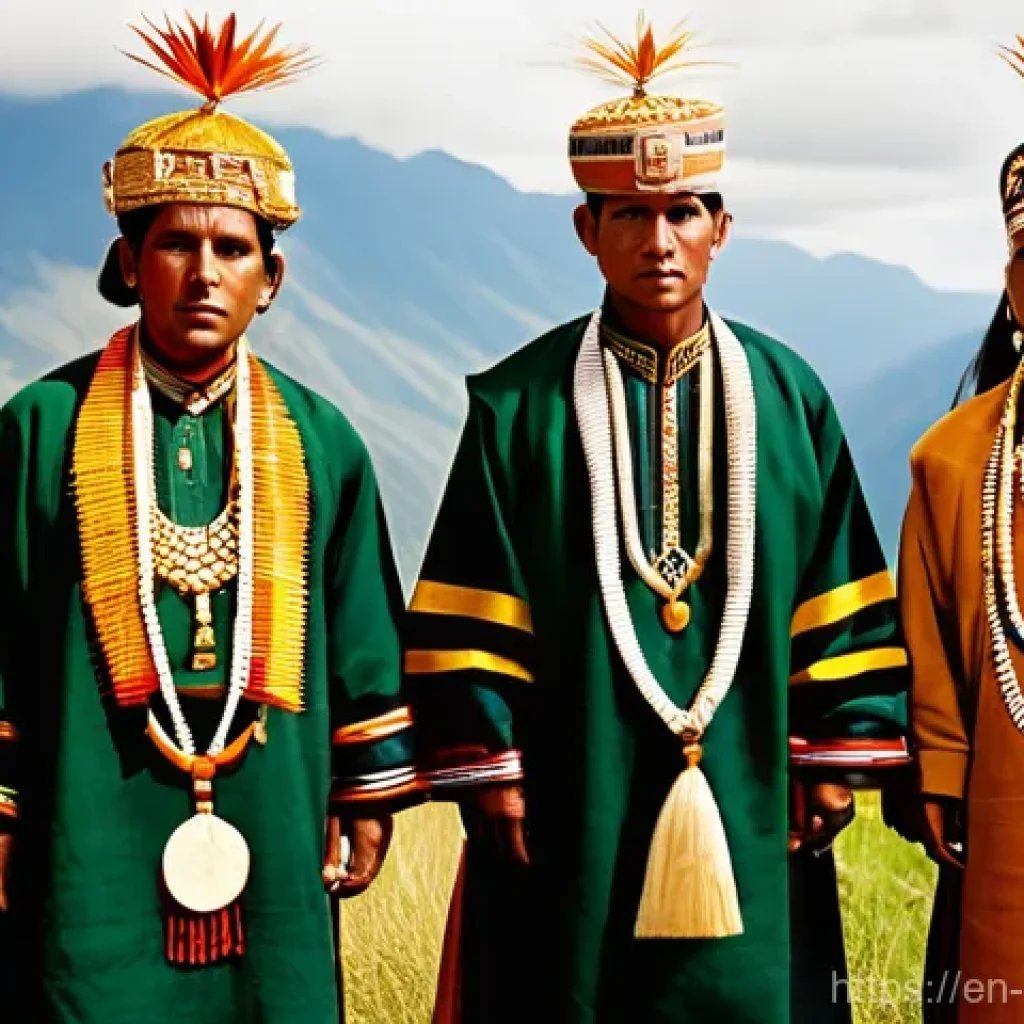
Stepping back in time to pre-Columbian Colombia feels like exploring a magnificent, forgotten tapestry. Before the arrival of Europeans, this land was a bustling mosaic of diverse indigenous cultures, each with its own incredible sophistication and unique way of life.
When I first learned about this period, I was genuinely astonished by the sheer variety and advanced nature of these societies. It’s easy to overlook, but their contributions laid foundational layers for the Colombia we know.
These groups weren’t just simple tribes; many developed complex political systems, intricate agricultural practices, and stunning artistic traditions that speak volumes about their ingenuity and connection to the land.
You can still see their legacy today in place names, certain foods, and even in the patterns of traditional crafts. It truly highlights how deep the roots of Colombian identity run.
The Ingenious Muisca and Tairona
Among the many vibrant cultures, the Muisca and Tairona really stand out. The Muisca, who settled primarily in the central Andean highlands around what is now Bogotá, formed sophisticated confederations and were masters of agriculture, cultivating corn, potatoes, and quinoa.
Their goldwork is absolutely breathtaking, and honestly, seeing the exquisite pieces at the Gold Museum in Bogotá made me feel a profound connection to their artistry and spiritual beliefs.
They used gold not just for adornment but for ritualistic purposes, telling stories and connecting with their deities. Further north, in the Sierra Nevada de Santa Marta, the Tairona people carved entire cities into the mountainsides, like the famous Ciudad Perdida, or “Lost City.” Their ability to build such complex stone structures in such a challenging environment is a testament to their engineering prowess and deep understanding of their surroundings.
Their pottery and intricate goldsmithing, often featuring anthropomorphic and zoomorphic figures, are just mind-blowing. These cultures, though distinct, shared a deep reverence for nature and left an indelible mark on the land and its future inhabitants, influencing everything from cuisine to folklore.
Artistry in Gold and Stone: Other Notable Cultures
Beyond the Muisca and Tairona, numerous other cultures flourished, each contributing to Colombia’s rich pre-Columbian heritage. The Quimbaya, known for their exceptional goldwork, particularly their stunning poporos (lime containers) and stylized human figures, inhabited the upper Cauca Valley.
Their mastery of “tumbaga,” an alloy of gold and copper, allowed them to create incredibly delicate and complex pieces. The Calima civilization, located near the Pacific coast, also excelled in goldsmithing, producing elaborate diadems and pectorals.
And then there’s the enigmatic Tierradentro culture, whose painted underground tombs, or hypogeums, are unlike anything else in the Americas, showcasing unique architectural and artistic traditions.
Exploring these sites, like the San Agustín Archaeological Park with its monumental stone sculptures, you can’t help but feel a sense of wonder at the artistic and spiritual depth of these ancient peoples.
It’s truly a journey that makes you appreciate the diverse human stories that unfolded long before recorded history as we often learn it.
The Great Arrival: Spanish Conquest and Enduring Legacy
The late 15th and early 16th centuries ushered in a monumental shift, a period I can only describe as a clash of worlds. The arrival of the Spanish conquistadors marked the beginning of centuries of colonial rule that fundamentally reshaped the land and its people.
While the quest for riches, particularly the fabled El Dorado, drove much of their exploration, the impact went far beyond mere material gain. It was a time of profound transformation, often brutal, where indigenous societies faced immense pressures, and a new cultural synthesis began to emerge.
When I think about this era, I’m always struck by the sheer audacity of the conquistadors, but also by the incredible resilience of the indigenous populations who, despite facing superior weaponry and devastating diseases, managed to preserve elements of their traditions.
It truly was a pivotal chapter, laying the groundwork for many aspects of modern Colombian society.
The First Footprints and Founding Cities
It all really kicked off in 1499 when Alonso de Ojeda became the first European to set foot on the Colombian coast, though Christopher Columbus himself never actually landed there.
This initial contact quickly escalated into a full-blown conquest. Important coastal cities like Santa Marta, founded by Rodrigo de Bastidas in 1525, and Cartagena, established by Pedro de Heredia in 1533, became crucial hubs for Spanish power and commerce.
These cities served as gateways to the interior, facilitating further expeditions and the establishment of Spanish authority. Gonzalo Jiménez de Quesada led a significant expedition into the Andes, ultimately founding Santa Fe de Bogotá in 1538, which later became the capital.
The Spanish introduced Catholicism, their legal system, and, unfortunately, the oppressive encomienda system, forcing indigenous populations into labor.
This period profoundly influenced Colombia’s language, religion, and social structures, creating a complex tapestry of European and indigenous heritage that continues to evolve.
The Quest for El Dorado and Colonial Structures
The legend of El Dorado, a city of gold, fueled much of the Spanish exploration and conquest in Colombia, driving conquistadors like Jiménez de Quesada deep into the treacherous Andean territories.
Though the mythical city was never found, the search for gold and other natural resources profoundly shaped colonial policy and the exploitation of the land and its people.
The Spanish established a rigid caste system that prioritized European descendants and consolidated their power through institutions like the Royal Audience of the New Kingdom of Granada, based in Bogotá.
This administrative framework eventually evolved into the Viceroyalty of New Granada in the 18th century, encompassing modern-day Colombia, Panama, Ecuador, and Venezuela.
This era wasn’t just about resource extraction; it was about the imposition of a new world order, where Spanish culture, language, and religion became dominant, yet indigenous traditions subtly persisted and adapted, leading to a unique cultural blend that defines Colombia today.
A Cry for Freedom: The Struggle for Independence
The winds of change eventually swept across Colombia, culminating in a fervent and often bloody struggle for independence from Spanish rule. This period, for me, is a powerful reminder of humanity’s unyielding desire for self-determination.
It wasn’t a sudden burst but a prolonged, arduous journey marked by ideological clashes, military campaigns, and the emergence of truly iconic figures.
I’ve always been captivated by the stories of the “Liberators” and the incredible sacrifices made by ordinary people fighting for a new future. This era forged the very identity of the nation, laying the groundwork for its political trajectory and the values it would aspire to embody, even if the path forward remained complex and challenging.
It really makes you reflect on the power of collective will when people unite for a common cause.
Simón Bolívar: El Libertador’s Vision
When we talk about Colombian independence, one name immediately springs to mind: Simón Bolívar, “El Libertador.” His vision and military genius were instrumental in freeing not just Colombia, but much of South America, from Spanish dominion.
The fight officially began on July 20, 1810, with the formation of the Junta de Santa Fe in Bogotá, a bold step towards autonomous governance. However, true independence was a decade-long endeavor, punctuated by numerous battles.
Bolívar’s audacious march across the Andes and his decisive victory at the Battle of Boyacá on August 7, 1819, were absolute game-changers, paving the way for the liberation of New Granada and the eventual creation of Gran Colombia.
This grand republic, Bolívar’s dream, was intended to unite the territories of present-day Colombia, Venezuela, Ecuador, and Panama. His unwavering commitment, despite numerous setbacks, is genuinely inspiring, showcasing a tenacity that I personally find incredibly motivating.
Internal Strife and the Birth of a Republic
The path to independence wasn’t a straight line; it was fraught with internal divisions and conflicts even among the revolutionaries. Early on, there was significant ideological friction between federalists, who advocated for decentralized provincial power, and centralists, who desired a strong, unified government based in Bogotá.
This “Patria Boba,” or “Foolish Fatherland” period, saw various provinces declaring independence, often leading to clashes among themselves and weakening their collective stance against Spanish attempts at reconquest.
Even after Bolívar’s triumph, his dream of Gran Colombia was short-lived, dissolving into its constituent nations by 1830 due to political instability and regionalism.
It’s a poignant reminder that creating a nation is one thing, but truly uniting it is an ongoing process. This early period of nation-building, with its struggles and compromises, profoundly shaped the political landscape and regional identities that define Colombia to this day.
Turbulent Times: 19th and Early 20th Century Conflicts
The 19th and early 20th centuries in Colombia were, to put it mildly, incredibly turbulent. It felt like the young nation was constantly battling itself, grappling with its identity and direction after gaining independence.
When I researched this period, I was struck by the sheer number of civil wars and localized conflicts that erupted. It wasn’t just political disagreements; it was deep-seated issues like land distribution, the role of the church, and economic disparities tearing at the fabric of society.
This constant unrest had a profound impact, hindering consistent development but also forging a resilient spirit within the Colombian people. It makes you realize how fragile peace can be and how deeply historical grievances can run.
The Liberal-Conservative Divide and Its Scars
A dominant feature of this era was the recurring conflict between the newly formed Liberal and Conservative parties. These weren’t just political factions; they represented fundamentally different visions for the country.
The Conservatives, often aligned with landowning classes and the Catholic Church, favored a more centralist government and a traditional social order.
The Liberals, on the other hand, typically found support among merchants and artisans, advocating for federalism and a greater separation of church and state, along with more progressive modernization.
These ideological differences frequently boiled over into armed conflict, leading to what one politician called a staggering “28 public calamities” between 1830 and 1903, including nine major general wars and fourteen local wars.
The scale of these conflicts, with an estimated 150,000 deaths, including two-thirds in the devastating War of a Thousand Days alone, is truly heartbreaking.
It painted a vivid picture of a nation struggling to define itself.
The War of a Thousand Days and Panama’s Separation
The culmination of these liberal-conservative clashes was the War of a Thousand Days (1899-1902), a brutal civil war that plunged the nation into immense destruction and economic ruin.
With estimates ranging from 60,000 to 130,000 deaths, it was a cataclysmic event that left deep scars on the national psyche. The Liberals, representing coffee plantation owners and import-export merchants who were struggling with plummeting coffee prices, were deeply dissatisfied with the Conservative government’s policies.
The war not only devastated the country internally but also had dire international consequences. In its aftermath, a weakened Colombia was unable to prevent the secession of Panama in 1903, a move heavily influenced by the United States’ interest in building the Panama Canal.
This loss was a huge blow to national pride and territorial integrity, marking a painful end to a century of internal strife and ushering in a new era of challenges and transformations.
Coffee, Oil, and Industrialization: Economic Reshaping
The 20th century really saw Colombia’s economy begin a significant transformation, moving from a predominantly rural, agrarian base to one increasingly influenced by exports and burgeoning industries.
It’s a journey that I’ve found fascinating, especially how key commodities like coffee and later oil became such powerful drivers of change. This period wasn’t without its growing pains, but it laid much of the economic foundation for modern Colombia, creating new opportunities while also exposing underlying inequalities.
It’s a testament to how global markets and internal policies can dramatically alter a nation’s trajectory.
| Era | Key Economic Drivers | Major Transformations |
|---|---|---|
| Early 20th Century (1900-1929) | Coffee exports, initial infrastructure investment, early oil extraction | Shift from purely agricultural to export-oriented economy, early industrialization. |
| Mid-20th Century (1930-1980) | Industrial development, diversification of agriculture/exports, oil production expansion | Urbanization, strengthening of national market, some social reforms. |
| Late 20th Century to Present (1981-2023) | Increased social services, administrative decentralization, trade liberalization, oil as main product | Macroeconomic volatility, deindustrialization, persistent regional inequalities, tourism growth. |
The Golden Bean: Coffee’s Dominance
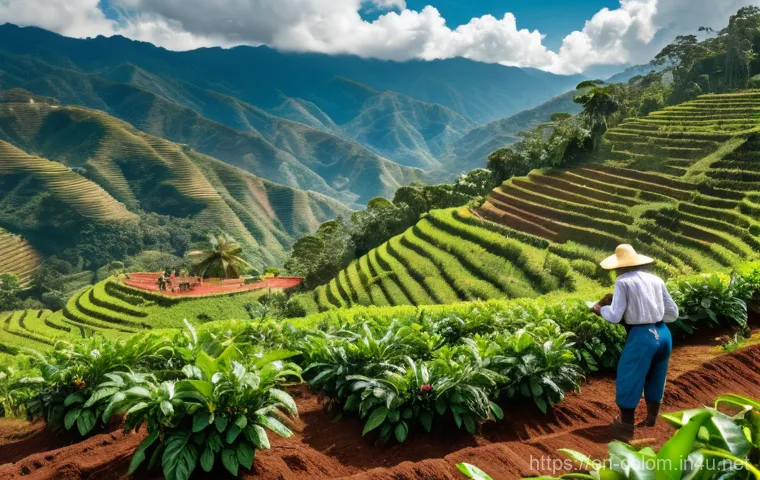
It’s almost impossible to talk about Colombia’s 20th-century economy without talking about coffee. This “golden bean” truly catapulted the country into the modern era, becoming its primary export and driving significant economic growth, especially after the devastating War of a Thousand Days.
I remember learning that by the late 1920s, coffee accounted for almost one-fifth of Colombia’s GDP and nearly 70% of its total exports! The increasing global demand for coffee provided crucial revenues that funded infrastructure development, particularly railroads, and sparked the first major attempts at manufacturing.
This wasn’t just an economic shift; it transformed the social fabric, fostering a national market and gradually moving Colombia from a rural to a more urbanized society.
Even when coffee prices collapsed during the Great Depression, the sector’s output continued to expand, demonstrating its deep-seated importance to the nation’s economic resilience.
Emerging Industries and Economic Challenges
While coffee reigned supreme, the early and mid-20th century also saw the emergence of other vital industries and a push towards economic diversification.
Petroleum extraction began, and sectors like textiles, food processing, and cement manufacturing started to grow, thanks in part to government protectionist policies designed to encourage local industry.
However, this period of growth wasn’t without its complexities. The banana industry, for instance, remained largely under the control of foreign capital, like the American United Fruit Company, highlighting areas where domestic control was still limited.
Social and economic improvements were often uneven, and the benefits of higher income weren’t always widely shared, leading to persistent issues of inequality that would continue to challenge the nation.
These economic transformations, while propelling Colombia forward, also created new political and social problems that the country would grapple with for decades to come.
Navigating Modernity: Challenges and Progress in Contemporary Colombia
Fast forward to today, and Colombia is a nation that has truly transformed, showing remarkable resilience in the face of immense challenges. When I visit, I’m always struck by the palpable sense of hope and forward momentum, even as the country continues to navigate a complex legacy.
It’s a place that has learned to embrace its vibrant diversity while actively working to overcome deep-seated issues. This journey of modernity is ongoing, filled with both inspiring progress and persistent struggles, painting a picture of a nation that refuses to be defined solely by its past difficulties.
It’s a testament to the enduring spirit of its people.
The Quest for Lasting Peace and Stability
For decades, Colombia grappled with internal armed conflict, primarily involving guerrilla groups like the FARC. The signing of the 2016 Havana peace agreement with the FARC-EP was a monumental step towards achieving lasting peace, marking a turning point in the country’s history.
I remember feeling such a sense of optimism when that agreement was signed, believing it truly heralded a new era. While it brought significant advancements in “negative peace” — the cessation of hostilities and the laying down of arms — the path to “positive peace,” which involves social justice and reconciliation, has been more intricate.
The reincorporation of former combatants into civilian life has presented its own set of obstacles, including security risks and economic challenges in certain regions.
Moreover, the emergence of FARC dissidents and other armed groups, like the ELN, continues to pose security challenges, particularly in areas historically affected by violence.
Despite these hurdles, there’s an undeniable commitment from many sectors of Colombian society to build a future free from conflict, a resolve that I find incredibly inspiring.
Addressing Inequality and Building an Inclusive Future
One of Colombia’s most significant ongoing challenges is addressing deep-rooted social and economic inequality, a legacy that traces back centuries. While the country has made strides in poverty reduction over the past decade, with extreme poverty rates declining, stark disparities persist, particularly between urban and rural areas, and disproportionately affecting indigenous and Afro-Colombian communities.
I’ve personally seen how these inequalities manifest in various ways, from access to basic services like water in rural areas to opportunities for formal employment.
The election of Gustavo Petro in 2022, Colombia’s first leftist president, and Francia Márquez, the first Afro-Colombian vice-president, signaled a strong desire for change and a more inclusive agenda.
Their government aims to tackle these structural issues, focusing on reforms that promote social justice and economic equality. The country’s economy has also shown remarkable recovery post-COVID-19, with a booming tourism sector playing a key role in stabilization.
It’s clear that while the journey towards a truly equitable society is long, there’s a powerful movement toward bridging these gaps and ensuring a more prosperous future for all Colombians.
A Kaleidoscope of Identity: The Enduring Cultural Tapestry
Colombia’s culture, to me, is nothing short of a magnificent kaleidoscope, a vibrant fusion that reflects its intricate historical journey. It’s a place where indigenous rhythms blend with Spanish melodies, where African influences ignite dance floors, and where the resilience of its people has woven together a truly unique national identity.
Every time I experience a Colombian festival or savor its incredible cuisine, I feel a profound sense of how deeply connected the present is to the past.
It’s not just a collection of traditions; it’s a living, breathing testament to the harmonious, and sometimes challenging, interplay of diverse heritages.
This cultural richness is, without a doubt, one of Colombia’s greatest treasures.
Indigenous and African Roots in Modern Expression
The profound influence of indigenous and African cultures is unmistakably woven into the very fabric of modern Colombian identity, creating a tapestry rich with ancient traditions and vibrant contemporary expressions.
I’ve always been fascinated by how these foundational elements persist and thrive. From the national hat, the *Sombrero Vueltiao*, a masterpiece of Zenú indigenous craftsmanship that has become a national symbol, to the omnipresent *arepa*, a staple food consumed for thousands of years by various indigenous peoples, their legacies are tangible and delicious!
Beyond tangible items, indigenous languages continue to contribute to Colombia’s linguistic richness, and concepts like respect for elders and communal living, rooted in indigenous communities, profoundly shape family values.
African influences, brought through the transatlantic slave trade, are equally vibrant, especially in music and dance forms like cumbia, porro, and champeta, which are bursting with energetic rhythms and movements.
This deep cultural mixing isn’t just history; it’s a dynamic force that I feel every time I hear Colombian music or see its colorful festivals.
Spanish Heritage and the Mestizo Blend
Of course, the Spanish colonial era also left an undeniable mark on Colombian culture, intricately blending with indigenous and African elements to form a distinctive *mestizo* identity.
Catholicism, introduced by the Spanish, remains a predominant religion, influencing many national holidays and celebrations. The Spanish language, naturally, became the official language, though enriched with indigenous words and regionalisms.
Architectural styles in historic city centers, the legal system, and various culinary traditions all bear the indelible stamp of Spanish heritage. What I find truly fascinating is how this blend isn’t simply a layering of cultures but a dynamic, organic fusion.
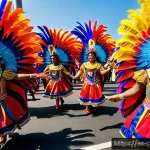
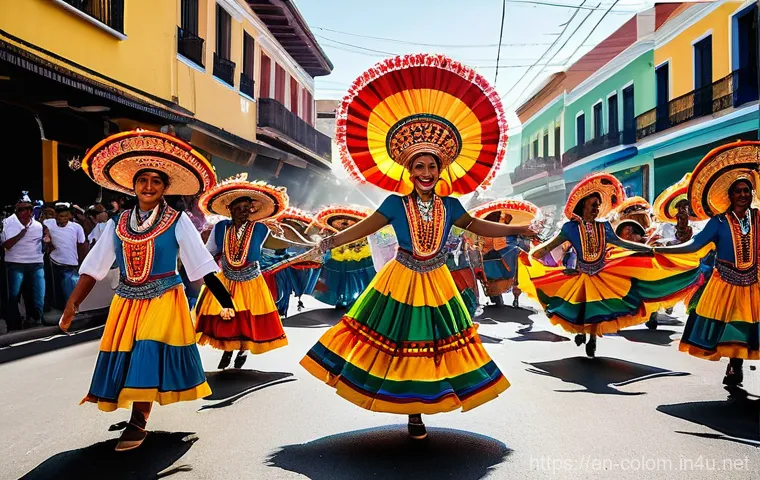
It’s evident in the diverse festivals across the country, like the Carnaval de Barranquilla, which explodes with a vibrant mix of European, indigenous, and African traditions, celebrating this incredible hybrid identity.
Colombian culture, for me, is a powerful example of how historical encounters, both challenging and enriching, can forge something entirely new and beautifully complex, a source of immense pride and global recognition.
Wrapping Up Our Colombian Journey
Wow, what a journey we’ve just taken through the heart of Colombia! It’s truly amazing to see how centuries of history, from the ingenuity of ancient civilizations to the dramatic shifts of colonial times, and through the struggles for independence and economic evolution, have sculpted the incredible nation it is today. I hope this deep dive has given you a richer appreciation for Colombia’s enduring spirit, its vibrant culture, and the remarkable resilience of its people. Every corner of this country tells a story, and what I’ve learned has only deepened my desire to keep exploring and sharing its magic with all of you. It’s not just history; it’s the living, breathing soul of a nation that continues to captivate and inspire!
Handy Tips for Your Colombian Adventure
1. Embrace “No Dar Papaya”: This popular Colombian saying translates to “don’t give papaya” or “don’t make yourself an easy target.” It’s practical advice to keep in mind, especially in busier cities. I personally make sure to keep my valuables discreet, avoid flashing expensive gadgets, and always stay aware of my surroundings, especially when I’m out at night. Trust me, a little common sense goes a long way in ensuring a smooth and enjoyable trip!
2. Navigate Smart with Local Transport: While street taxis are readily available, I’ve found that using ride-sharing apps like Uber or Cabify (or Didi in some cities) offers an extra layer of safety and convenience, especially in major urban centers like Bogotá, Medellín, and Cartagena. You know the fare upfront, and your ride is tracked, which always gives me peace of mind. For longer distances, domestic flights are surprisingly affordable and a huge time-saver for crossing Colombia’s diverse landscapes.
3. Pack for All Seasons (Seriously!): Colombia is a tropical country, but its temperature depends more on altitude than the time of year. I learned this the hard way once! Bogota, for instance, can be cool and rainy, while Cartagena is hot and humid. So, whether you’re heading to the Caribbean coast or up into the Andean highlands, make sure your luggage includes layers for everything from chilly evenings to intense sunshine, and don’t forget that sunscreen. A universal adapter is also a smart addition for your electronics.
4. Cash is King, But ATMs are Your Best Friend: The official currency is the Colombian Peso (COP), and while credit cards are accepted in many larger establishments, you’ll definitely need cash for smaller purchases, local markets, and in more remote areas where ATMs might be scarce. My personal tip? Withdraw pesos from ATMs, preferably inside a bank or shopping center during business hours, and always decline the ATM’s offer to convert to your home currency – let your bank handle it for a better rate. Davivienda and BBVA ATMs are often recommended for lower fees.
5. A Little Spanish Goes a Long Way: While you might find English speakers in major hotels or very tourist-heavy spots, less than 10% of the Colombian population speaks English fluently. I’ve found that even just a few basic Spanish phrases for greetings, ordering food, and asking for directions can dramatically enhance your interactions with locals and make your travel experience so much richer. Colombians are incredibly friendly and appreciate the effort!
Key Insights and What I’ll Remember Most
Reflecting on Colombia’s incredible narrative, what truly stands out to me is the sheer tenacity and spirit of its people. From the advanced ingenuity of pre-Columbian cultures to their unwavering fight for self-determination and the continuous efforts to build a more inclusive future, Colombians have faced immense challenges with remarkable resilience. The country’s history isn’t just a series of events; it’s a vibrant tapestry woven with diverse influences—indigenous wisdom, African rhythms, and Spanish heritage—creating a unique cultural identity that is both complex and deeply beautiful. I’ve learned that understanding its past is absolutely essential to appreciating the dynamic, hopeful, and truly welcoming nation Colombia is today. It’s a place that teaches you about strength, diversity, and the enduring power of human spirit, leaving an indelible mark on your heart.
Frequently Asked Questions (FAQ) 📖
Q: What were Colombia’s most important pre-Columbian civilizations, and what lasting impact did they have?
A: Oh, this is such a rich area to explore! Before the Europeans arrived, the land we now call Colombia was a vibrant mosaic of incredibly sophisticated indigenous cultures.
When I first learned about them, I was genuinely blown away by their ingenuity and artistry. Among the most prominent were the Muisca, who made their home in the central highlands and were brilliant farmers, weavers, miners, and goldsmiths.
You know the legend of El Dorado? That actually originated with the Muisca and their captivating ceremonies at Lake Guatavita, where a new chief was said to be covered in gold.
It’s truly a powerful image! Then there were the Tayrona, who built incredible cities on the slopes of the Sierra Nevada de Santa Marta, complete with terraced fields and complex irrigation systems.
Their descendants, like the Kogis, still live there today, preserving so much of that ancient wisdom. The Quimbaya, from the Cauca River Valley, were absolute masters of goldwork, crafting exquisite pieces like their famous “poporos” (lime containers).
And let’s not forget the Sinú (or Zenú) in the northwest, who weren’t just skilled in ceramics and gold, but also developed sophisticated drainage channels to control flooding – a testament to their advanced engineering!
Finally, the enigmatic Tierradentro culture left behind unique, beautifully painted underground tombs, known as hypogea, which are a UNESCO World Heritage site and truly unlike anything else in the Americas.
The lasting impact of these civilizations is profound. Their artistic legacy, especially their breathtaking goldwork, is proudly displayed in places like Bogotá’s Gold Museum – a personal must-see for anyone visiting!
Beyond the material, their complex social structures, agricultural innovations, and deep spiritual connections to the land form the bedrock of Colombia’s cultural identity and continue to inspire modern Colombian art and thought.
They remind us that this land has always been home to incredible human spirit and creativity.
Q: How did Colombia gain its independence from Spanish rule, and who were the key figures involved?
A: Colombia’s quest for independence is a dramatic saga, full of courage and sacrifice, that really captivates me every time I delve into it. It wasn’t just a single event but a process that unfolded over many years, roughly between 1810 and 1819.
It all kicked off officially on July 20, 1810, with an uprising in Bogotá that saw the creation of a local governing council – a truly pivotal moment!
But, let’s be real, the fight was long and arduous. At the heart of this movement was the iconic figure of Simón Bolívar, often reverently called “The Liberator.” He wasn’t just a military genius, leading critical campaigns like the one in 1819, but also a visionary who dreamed of a united Gran Colombia.
His ultimate triumph came with the Battle of Boyacá on August 7, 1819, which was absolutely decisive in routing the Spanish and paving the way for independence forces to enter Bogotá.
But Bolívar wasn’t alone! Francisco de Paula Santander, known as “The Man of Laws,” was another crucial leader, both on the battlefield at Boyacá and in establishing the new nation’s legal and governmental foundations.
Then there are inspiring figures like Policarpa Salavarrieta, affectionately known as “La Pola,” a brave woman who served as a spy for the independence movement and became a true heroine.
José Acevedo y Gómez, “The People’s Speaker,” played a key role in igniting that initial spark of rebellion in Bogotá. It’s important to remember, though, that the path wasn’t smooth – there were internal divisions and conflicts even among the independence fighters themselves, which sometimes left them vulnerable.
But ultimately, their collective determination and the brilliance of leaders like Bolívar forged a new, independent nation, forever changing the course of South American history.
Q: What was “La Violencia,” and how did this period of conflict shape modern Colombia?
A: Ah, “La Violencia” – it’s a chapter in Colombian history that’s incredibly painful and complex, but one we absolutely need to understand to grasp modern Colombia.
When I think about it, I’m struck by how deep the scars run. This was a brutal civil conflict that swept across the country, primarily between the Liberal and Conservative parties, roughly from 1946 to the mid-1960s.
Many historians, myself included, really pinpoint the assassination of the charismatic Liberal leader Jorge Eliécer Gaitán on April 9, 1948, as the spark that ignited this inferno.
His death unleashed the “Bogotazo” – massive riots in the capital that quickly escalated into widespread, often merciless, violence, especially in rural areas.
What’s truly heartbreaking is the sheer scale of human suffering. Estimates suggest hundreds of thousands of people died, many more were injured, and nearly a million were displaced from their homes.
It wasn’t just large-scale battles; it was often localized, brutal fighting, with political reprisals, banditry, and land grabs tearing communities apart.
I’ve personally read accounts of the unspeakable cruelty that became tragically common, leaving deep, deep trauma. The impact on modern Colombia is undeniable and continues to echo.
“La Violencia” didn’t just end; it evolved. It fostered a culture where disagreements, tragically, sometimes seemed to be settled through force rather than dialogue.
Critically, it contributed significantly to the rise of various armed guerrilla groups, like the FARC, in the decades that followed, as many marginalized peasants sought a voice and protection.
Even today, you can see how some rural areas still grapple with a lack of formal governance, often influenced by illegal armed groups. While the National Front agreement in 1958 brought an official end to the hostilities by mandating power-sharing, it didn’t fully resolve the deep-seated social and political inequalities that fueled the conflict in the first place.
“La Violencia” truly shaped Colombia’s political landscape, its social fabric, and its ongoing journey toward lasting peace.