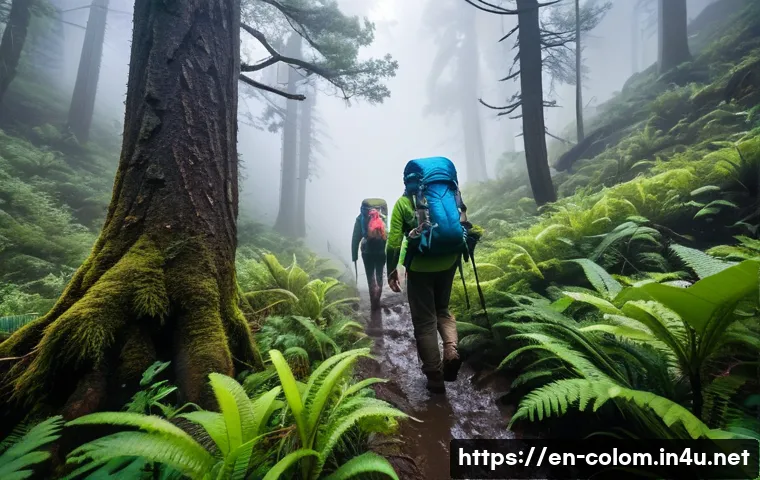
Embarking on the Lost City Trek in Colombia is like stepping into a real-life adventure novel. Nestled deep within the Sierra Nevada mountains, this trail leads you through lush jungles, ancient indigenous villages, and breathtaking landscapes that few have witnessed.
It’s not just a hike; it’s a journey into history and nature combined. Along the way, you’ll encounter vibrant wildlife and learn about the rich culture of the indigenous communities who call this place home.
Whether you’re an avid trekker or a curious traveler, this experience promises unforgettable memories. Let’s dive in and explore all the details you need to know!
Preparing for the Journey: What to Expect Before You Start
Understanding the Terrain and Weather
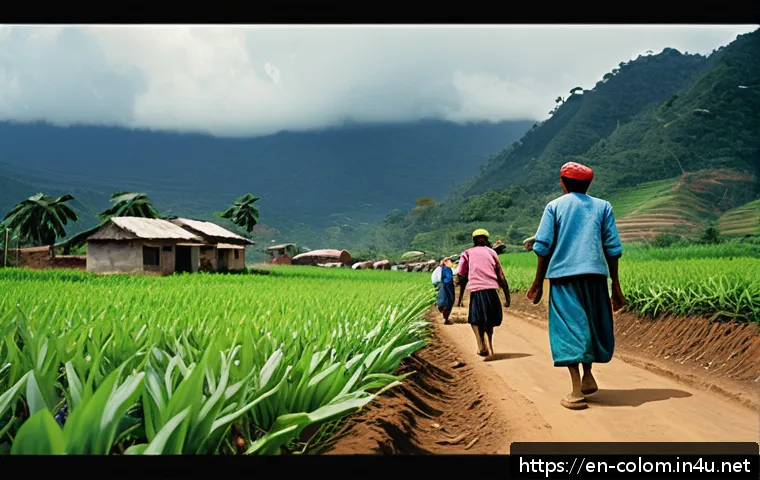
The trek to the Lost City isn’t your average walk in the park. The trail winds through dense jungle, steep mountain paths, and river crossings that can be challenging if you’re not prepared.
Expect humid and rainy conditions, especially during the wet season from April to November. The mornings can be foggy and cool, but by midday, the humidity rises sharply.
From my own trek, I found layering essential—light, breathable clothing paired with a waterproof jacket saved me from discomfort. Also, sturdy hiking boots with a good grip are non-negotiable because muddy sections will test your balance and stamina.
Physical Preparation and Fitness Tips
While you don’t need to be a professional athlete, a decent level of fitness is crucial. The trek typically lasts four to six days, covering around 45 kilometers of varying elevation.
I recommend starting light cardio training at least a month before your trip, including hiking with a loaded backpack to simulate trail conditions. You’ll be carrying your essentials, so strengthening your legs and core will make a huge difference.
Remember, pacing yourself and staying hydrated are key; pushing too hard early on will only drain your energy reserves.
Gear Essentials and Packing Smart
Packing smart can make or break your experience. Beyond hiking boots and layered clothing, include insect repellent, a wide-brimmed hat, and a reusable water bottle.
I personally carried a lightweight sleeping bag since some lodges provide only basic bedding. Also, bring a headlamp with extra batteries for nighttime use, and quick-dry towels.
Electronics like phones and cameras need waterproof cases because the jungle humidity can damage gear quickly. Lastly, don’t forget some snacks like nuts and energy bars for quick boosts during long stretches.
Immersing in Indigenous Culture Along the Trail
Meeting the Kogi and Wiwa Communities
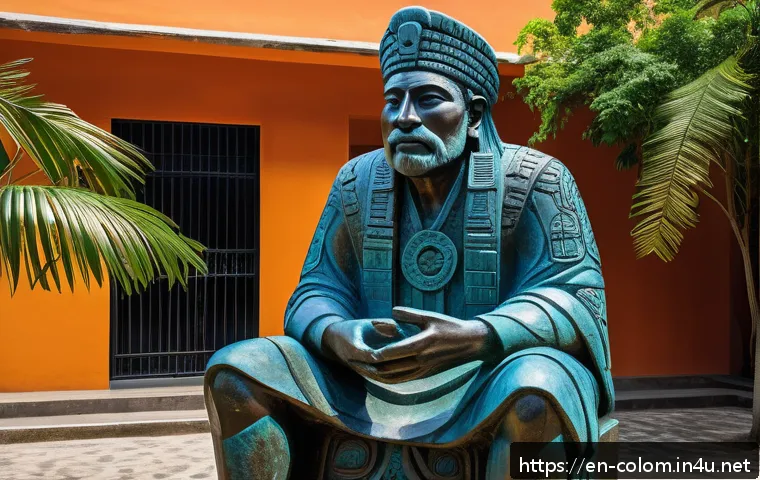
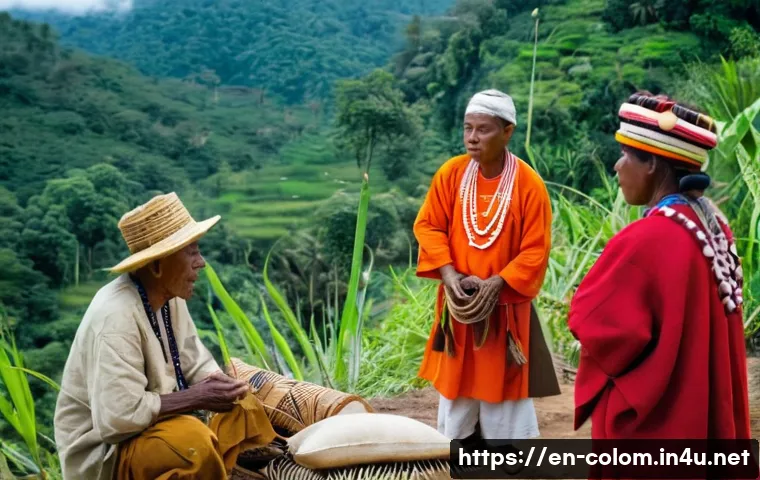
One of the most enriching parts of the trek is encountering the indigenous groups who have lived in the Sierra Nevada for centuries. The Kogi and Wiwa people are known for their spiritual connection to the land, which they see as a living entity.
During the trek, guides often share stories about their customs, weaving, and agricultural practices. I remember being deeply moved when a local elder explained their efforts to preserve the rainforest and how trekking tourism helps support their community’s sustainable lifestyle.
Traditional Crafts and Rituals
Visitors often get a chance to witness or participate in traditional rituals, such as offerings to nature spirits or ceremonies marking important seasonal changes.
The craftsmanship is another highlight—handmade bags and jewelry crafted from natural fibers and seeds are sold by villagers. These items aren’t just souvenirs; they carry cultural significance and support local artisans.
From my experience, purchasing directly from these communities feels more meaningful, knowing it helps sustain their traditions and livelihoods.
Respectful Interaction Tips
Interacting with indigenous communities requires sensitivity and respect. It’s important to ask permission before taking photos and to avoid interrupting ceremonies or private moments.
The guides usually brief trekkers on appropriate behavior, but it’s worth remembering that this is their home, not a tourist attraction. By showing genuine interest and humility, you can build authentic connections and leave a positive impression that benefits future visitors.
Wildlife Encounters: Expect the Unexpected
Common Species You Might Spot
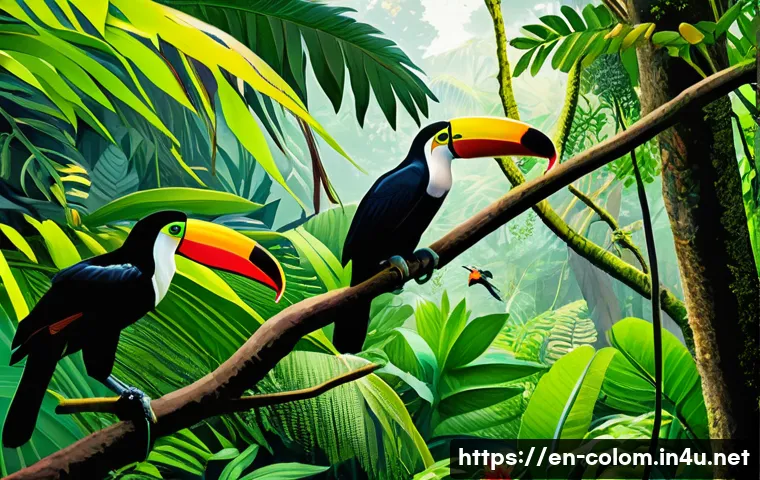
The biodiversity in the Sierra Nevada is staggering. As you trek, keep an eye out for colorful birds like toucans and parrots, playful monkeys, and even the occasional sloth hanging lazily in the trees.
On one morning, I was lucky to see a group of capuchin monkeys darting through the canopy, which was a magical start to the day. The guides are excellent at spotting wildlife and often pause to let you observe quietly without disturbing the animals.
How to Stay Safe and Respect Wildlife
While wildlife encounters are exciting, maintaining a safe distance is crucial both for your safety and the animals’ well-being. Avoid sudden movements or loud noises that might startle them.
Carrying binoculars can enhance your experience without causing disturbance. Also, never feed wild animals; it disrupts their natural diet and behavior.
My guide reminded me that the best way to enjoy wildlife is as a respectful observer, allowing nature to unfold naturally.
Seasonal Variations in Wildlife Sightings
Wildlife activity changes with the seasons. During the wet season, many animals are more active, and the jungle comes alive with mating calls and vibrant colors.
Dry months might offer easier trekking conditions but fewer sightings. Planning your trip around what you want to see can enhance the experience. For instance, bird watchers might prefer the wetter months, while those focused on hiking comfort may lean toward the drier season.
Trail Logistics: Navigating Your Trek Smoothly
Booking Tours and Guide Services
The Lost City trek is not a self-guided route; hiring a certified guide is mandatory and highly recommended for safety and cultural insight. Numerous tour operators offer packages that include transportation, meals, accommodation in jungle lodges, and entrance fees.
From personal experience, booking with a reputable company ensures well-organized logistics and knowledgeable guides who enrich your understanding of the region.
Prices vary depending on the level of service, but the investment is worth it for peace of mind.
Daily Itinerary Overview
The trek usually spans four to six days, with each day covering between 8 to 12 kilometers. The first day often involves a long but gradual ascent, while the following days alternate between steep climbs and river crossings.
Lodgings along the way are basic but comfortable, often featuring hammocks or simple beds. Meals typically consist of hearty local dishes that fuel you for the demanding days ahead.
I found the routine of walking, resting, eating, and soaking in the surroundings rhythmically satisfying.
Safety and Emergency Precautions
While the trek is generally safe, you must be prepared for the remote environment. Guides carry first aid kits, but bringing your own essentials like blister treatment, pain relievers, and personal medications is wise.
Mobile phone coverage is almost nonexistent, so inform someone of your itinerary before departure. Hydration and sun protection are critical. During my trek, I appreciated the guides’ vigilance in monitoring the group’s condition and the clear communication about potential hazards like slippery rocks or strong currents.
What You’ll See: Highlights of the Lost City
The Ancient Ruins Themselves
At the heart of the trek lies the Lost City, or Ciudad Perdida, an archaeological marvel dating back over 1,000 years. The terraces, plazas, and stone pathways give you a glimpse into a sophisticated civilization that rivaled Machu Picchu in its time.
Walking through these ruins is humbling, especially knowing how they were hidden for centuries beneath the jungle canopy. I spent hours exploring the site, marveling at the engineering skills of the Tayrona people.
Scenic Views and Natural Wonders
Beyond the ruins, the trek offers stunning vistas of the Sierra Nevada peaks, winding rivers, and dense rainforest. On clear days, the sunrise over the mountains is breathtaking—a spectacle worth waking up early for.
Waterfalls along the route provide refreshing stops and photo opportunities. One particular waterfall where I took a dip after a tough morning hike was a highlight that still brings a smile to my face.
Flora and Unique Plant Life
The jungle is a treasure trove of exotic plants, many with medicinal properties. Guides often point out interesting species like giant heliconias, orchids, and towering palms.
The diversity of flora adds layers of color and texture to the trail, making every step feel like a discovery. I found myself pausing frequently to admire the delicate beauty of flowers and the intricate patterns of leaves, feeling connected to the natural world in a way city life rarely allows.
Essential Tips for a Comfortable Trek Experience
Managing Fatigue and Staying Energized
Long days on the trail can wear you down quickly, so pacing yourself is key. I learned that taking short, frequent breaks and keeping hydrated helped maintain my energy levels.
Eating balanced meals with a mix of carbs, protein, and fats kept me fueled. Sometimes I carried small electrolyte packets to mix with water, which made a noticeable difference in how I felt during the hotter parts of the day.
Dealing with Insects and Other Jungle Challenges
Insects are part of the jungle experience, but they don’t have to ruin your trek. Using a high-quality insect repellent with DEET, wearing long sleeves and pants during peak mosquito times, and sleeping under mosquito nets made my nights much more comfortable.
Additionally, some trekkers bring antihistamines in case of bites. Staying calm and not scratching bites immediately helps prevent irritation and infection.
Keeping Your Spirits High During Tough Moments
There were moments when the steep climbs and humid air made me question my stamina. What helped was focusing on the bigger picture—reminding myself why I was there and the incredible reward at the end.
Sharing stories and laughter with fellow trekkers also lifted my mood. Mental preparation is as important as physical training; staying positive and flexible can turn challenges into memorable adventures.
| Aspect | Details | Tips |
|---|---|---|
| Duration | 4-6 days, approx. 45 km | Train cardio & hike with a pack beforehand |
| Weather | Humid, rainy season Apr-Nov, cooler mornings | Layer clothing, bring waterproof gear |
| Accommodation | Basic jungle lodges with simple beds/hammocks | Bring a lightweight sleeping bag |
| Cultural Interaction | Meet Kogi and Wiwa indigenous communities | Respect customs, ask before photos |
| Wildlife | Toucans, monkeys, sloths, diverse plants | Use binoculars, keep distance, no feeding |
| Gear Essentials | Hiking boots, insect repellent, headlamp, waterproof cases | Pack light but cover basics for comfort and safety |
Post-Trek Reflections and Staying Connected
Processing the Experience
Coming down from the trek, I realized how transformative the journey was—not just physically but mentally and spiritually. The combination of natural beauty, cultural immersion, and personal challenge creates a unique sense of accomplishment.
Many trekkers report feeling a deeper appreciation for Colombia’s heritage and environment, which motivates them to support conservation efforts or indigenous rights.
Sharing Your Story and Photos
Documenting your trek through photos and journaling can help keep the memories alive. I found that sharing my experience with friends and on social media opened conversations about sustainable travel and cultural respect.
Just remember to be mindful when posting images of indigenous people—always prioritize their dignity and privacy.
Planning Your Next Adventure
After completing the Lost City trek, many feel inspired to explore more off-the-beaten-path destinations. Colombia offers other incredible hikes like the Cocora Valley or Tayrona National Park.
The sense of adventure you gain here is a perfect stepping stone to discovering even more hidden gems. Personally, the Lost City trek was the beginning of a deeper journey into adventure travel that I continue to pursue with enthusiasm.
Conclusion
The Lost City trek offers more than just a physical challenge—it’s a journey into nature, culture, and self-discovery. From navigating rugged terrain to connecting with indigenous communities, every step leaves a lasting impression. Preparing well and embracing the experience fully will make your adventure truly unforgettable. This trek isn’t just a destination; it’s a story you carry with you long after you return home.
Useful Information to Remember
1. Train your body with cardio and practice hiking with a backpack to handle the trail’s demands.
2. Pack layers and waterproof gear to stay comfortable through humid and rainy conditions.
3. Respect indigenous customs—always ask before taking photos and be mindful during ceremonies.
4. Use binoculars for wildlife viewing and maintain a safe distance to protect both animals and yourself.
5. Carry essential gear like insect repellent, a headlamp, and a lightweight sleeping bag for comfort and safety.
Key Takeaways
Preparing physically and mentally is crucial for a successful trek. Hiring a certified guide ensures safety and enriches your cultural understanding. Respecting the environment and local communities creates a positive impact and meaningful connections. Stay hydrated, pace yourself, and embrace the natural beauty and heritage you encounter. Above all, approach the trek with openness and respect to make the most of this extraordinary adventure.
Frequently Asked Questions (FAQ) 📖
Q: How physically demanding is the Lost City Trek, and what level of fitness do I need?
A: The Lost City Trek is moderately to highly challenging, covering roughly 44 kilometers over four to six days. You’ll be hiking through steep jungle trails, river crossings, and uneven terrain, often in hot and humid conditions.
From my experience, a reasonable level of fitness is essential—regular cardio, some strength training, and hiking practice will make a huge difference.
Even if you’re not an expert trekker, being prepared with good stamina will help you enjoy the journey without feeling overwhelmed.
Q: What should I pack for the trek to stay comfortable and safe?
A: Packing smart is key to a smooth trek. I recommend lightweight, quick-dry clothing, sturdy waterproof hiking boots, and a rain jacket since the jungle can be unpredictable.
Don’t forget insect repellent with DEET, a good headlamp, a reusable water bottle with purification tablets, and a basic first-aid kit. Also, bring some snacks for energy, sunscreen, and a small daypack to carry essentials.
Keeping your gear minimal but practical helps you move comfortably and stay prepared for jungle conditions.
Q: Is it safe to interact with the indigenous communities during the trek?
A: Absolutely, but with respect and sensitivity. The indigenous groups living around the Lost City, like the Wiwa and Kogi people, are welcoming but maintain strong cultural traditions.
Guided tours usually include visits to their villages where you can learn about their way of life and crafts. From what I’ve seen, it’s important to follow your guide’s advice, ask permission before taking photos, and engage with genuine curiosity rather than just as a tourist.
This respectful approach creates meaningful exchanges and supports the local communities.